Federal Government Approves Upgrade of Onne, Rivers, Delta and Calabar Ports to Boost Trade
The Federal Government has approved the comprehensive modernisation of Onne, Rivers, Delta and Calabar ports to reduce Lagos cargo congestion, cut logistics costs and strengthen Nigeria’s maritime economy.
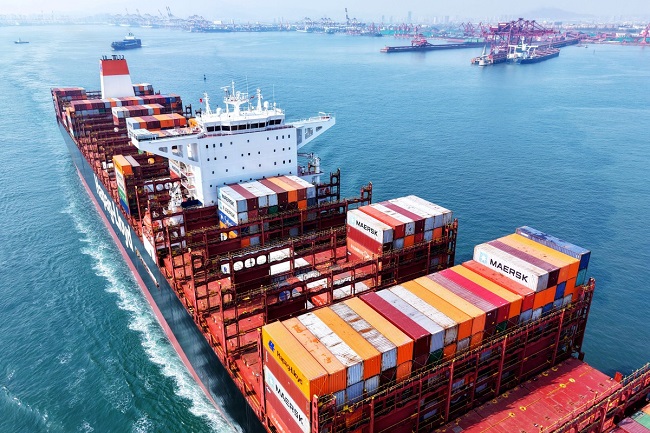
The Federal Government has approved the comprehensive modernisation and upgrade of Onne and Rivers ports in Rivers State, Delta Port in Delta State, and Calabar Port in Cross River State, in a major expansion of Nigeria’s port infrastructure development programme.
The approval was announced by the Minister of Marine and Blue Economy, Adegboyega Oyetola, on Sunday, September 27, 2026. The government said the initiative is designed to create a more balanced national port system, reduce the concentration of cargo traffic around Lagos and improve the efficiency of Nigeria’s international trade gateways.
The latest decision expands an earlier government programme covering Apapa and Tin Can Island ports in Lagos, bringing six major existing ports into the Federal Government's modernisation programme.
Government Targets More Efficient Port System
According to Oyetola, upgrading ports outside Lagos is important to developing a more competitive maritime and logistics network.
The minister said modern and efficient ports are essential to facilitating trade, supporting industrial activity, attracting investment and creating employment.
He explained that expanding the modernisation programme to the eastern ports would provide additional efficient gateways for international trade while reducing the heavy concentration of cargo movements around Lagos.
The government expects improved infrastructure and operational efficiency at the four ports to increase cargo-handling capacity, reduce vessel turnaround times and strengthen regional connectivity.
It also expects improvements to make the movement of goods more predictable and cost-effective for businesses.
Onne and Rivers Ports to Gain Strategic Importance
The upgrade of the two Rivers State ports could have significant implications for trade and industrial activity in Nigeria's eastern corridor.
Onne Port, located in the Niger Delta, has an important role in supporting offshore oil and gas activities as well as other maritime operations. Rivers Port in Port Harcourt also forms part of Nigeria's established eastern port network.
The Nigerian Ports Authority identifies Onne Port Complex and the other eastern ports as part of its national port infrastructure network.
Modernisation could therefore improve the ability of the ports to handle growing cargo volumes while strengthening connections between maritime gateways and businesses across the South-South and wider eastern regions.
For businesses that currently move goods through Lagos, more efficient eastern ports could provide additional options for importing and exporting commodities.
Delta and Calabar Ports Also Included
Delta Port in Warri and Calabar Port are also covered by the Federal Government's latest approval.
The two ports occupy strategic positions in Nigeria's coastal trade network. Delta Port serves the industrial and commercial interests of Delta State and surrounding areas, while Calabar Port provides a maritime gateway for Cross River State and neighbouring parts of southeastern Nigeria.
The Federal Government says the modernisation of the four ports is intended to strengthen their roles in trade, industrial development and regional connectivity.
The government has not, however, publicly disclosed the total financial value of the newly approved modernisation programme, its detailed funding structure, procurement arrangements or a specific construction timetable. BusinessDay reported that those details were not included in the announcement.
Part of Wider Maritime Infrastructure Plan
The four-port upgrade is not an isolated project. It forms part of a broader strategy by the Federal Government to expand Nigeria's maritime capacity.
Oyetola said the government is simultaneously facilitating the development of several proposed deep seaports across the country.
These include the Ibom Deep Seaport in Akwa Ibom, Bakassi Deep Seaport in Cross River, Agge Deep Seaport in Bayelsa, Gateway Deep Seaport in Ogun, Ondo Deep Seaport in Ondo, and Bonny Deep Seaport in Rivers State.
According to the minister, combining the rehabilitation and modernisation of existing ports with the construction of new deep seaports would significantly expand Nigeria's maritime capacity and create stronger economic corridors.
The strategy is aimed at positioning Nigeria as a major maritime and logistics hub in Africa.
Focus on Lowering Logistics Costs
One of the most significant objectives of the port modernisation programme is to reduce the cost and time associated with moving goods.
High logistics costs have long been a concern for Nigerian businesses, particularly importers, exporters, manufacturers and distributors whose supply chains depend heavily on efficient transportation infrastructure.
The Federal Government said improved ports should reduce vessel turnaround times and improve cargo-handling operations.
Oyetola also outlined a broader vision in which ports would operate as part of an integrated transport system involving roads, railways, inland waterways and other logistics infrastructure.
Such integration would be important because upgrading port facilities alone may not eliminate delays if cargo continues to encounter bottlenecks after leaving the terminals.
Eastern Ports and Nigeria's Trade Future
The latest announcement also comes against a longstanding debate over the distribution of cargo traffic between Nigeria's Lagos and eastern maritime corridors.
The government said the expansion of modernisation beyond Lagos would help create alternative gateways and reduce the concentration of cargo around the country's commercial capital.
Earlier plans had already focused on modernising Apapa and Tin Can Island ports. The inclusion of Onne, Rivers, Delta and Calabar represents a broader geographical approach to port development.
The Federal Government is also expected to work with state governments, terminal operators, investors, shipping companies and other stakeholders to implement the projects.
Oyetola said collaboration with stakeholders would be necessary to translate the infrastructure approvals into tangible improvements for Nigeria's marine and blue economy.
Potential Impact on Businesses and the Economy
If implemented effectively, the port upgrades could affect several areas of the Nigerian economy.
More efficient ports could help shorten cargo processing and vessel turnaround times, potentially improving supply-chain predictability. Better maritime infrastructure could also make regional manufacturing and distribution more attractive by providing businesses with additional trade gateways.
The government also expects the programme to support investment and job creation.
However, the impact will depend on implementation, financing, operational reforms and the quality of connections between ports and inland transport networks.
The latest approval therefore represents the beginning of a larger modernisation process rather than the completion of the upgrades.
For Nigeria's maritime sector, the central challenge will be translating the government's approval into functioning infrastructure capable of handling increasing trade volumes efficiently.
With Onne, Rivers, Delta and Calabar now included alongside Apapa and Tin Can Island, the Federal Government's port strategy is moving toward a broader national network rather than concentrating modernisation efforts primarily around Lagos.
The government says the ultimate objective is an efficient, transparent and globally competitive port system that reduces the time and cost of moving goods, supports investment and strengthens Nigeria's position in Africa's maritime economy.