Farewell to a Trailblazer: What Ghana Will Remember Nana Konadu Agyeman-Rawlings For
When Ghana’s former First Lady Nana Konadu Agyeman‑Rawlings passed away on Thursday, 23 October 2025, at the age of 76 after a brief illness, the nation lost more than a public figure - it bid farewell to a symbol of women’s empowerment, social reform and political transformation.
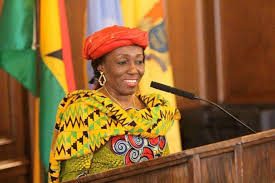
Her death prompts Ghanaians to reflect not only on her years in the national spotlight, but on the wider implications for democracy, gender equality and the country’s place in the world. What will she be remembered for, and what do her life and impact mean for everyday Ghanaians - men and women alike?
A Life in the Spotlight
Nana Konadu first held the title of First Lady in 1979 and again from 1981 to 2001, making her the longest-serving First Lady in Ghana’s history. graphic.com.gh
Her tenure spanned both military and democratic regimes - a testament to her enduring influence across different eras of Ghana’s political life. Her husband, former President Jerry John Rawlings, led the country through successive transitions; she carved her own path.
In 1982 she founded the 31st December Women’s Movement - a grassroots network that focused on women’s selfreliance, education, health and community development. The movement grew into one of Ghana’s largest civic vehicles for women’s empowerment.
Later, she broke away from the ruling party and founded the National Democratic Party (NDP), becoming the first Ghanaian woman to contest the presidency in 2016. Wikipedia
A Legacy for Women and Society
For many Ghanaians, Nana Konadu’s greatest memory is her unabashed advocacy for women.
The 31st December Women’s Movement mobilised women across regions, established preschools in underserved areas, and boosted literacy and livelihoods among women. pulse.com.gh
Her push for legislative reforms - including improved inheritance rights under the Intestate Succession Law - strengthened legal protections for widows and children. “She was a force in Ghanaian politics,” said one MP. MyJoyOnline
As a politician, she challenged gender norms in a country where women had often been relegated to ceremonial roles. She insisted on leadership and visibility, symbolising what women’s agency in politics could look like.
Implications for Ghana’s Democracy and Governance
The passing of Nana Konadu carries important reflections for democracy in Ghana:
1. Women’s Political Inclusion: Her life underscores how critical women’s representation is — not just in seats, but in autonomous organisations and grassroots structures. Ghana’s democracy deepens when women’s voices shape policy, not just follow it.
2. The Role of First Ladies: Too often, First Ladies are sidelined or reduced to social functions. Nana Konadu transformed the role into one of advocacy, institutional leadership and political action. Future occupants of her role may now be judged by a higher standard.
3. Civil Society & State Linkages: Her movement blurred the lines between civil society and the state, showing how mass mobilisation can “meet” government policy. For Ghana, where civic space sometimes faces constraints, this is a reminder of the power of organisation.
4. Political Independence: By forming the NDP after breaking with the main party, she signalled that even entrenched figures could challenge the status quo. That matters in a democracy where alternatives and intra-party dissent often struggle.
What Ghanaians Will Remember
Institution builder: The movement she founded continues to influence women’s political and economic participation in Ghana.
Advocate for equality: Her voice was constant in the fight for women’s rights, especially in rural communities where change is slow.
Pioneer female leader: Her presidential bid may not have succeeded, but it opened doors and altered expectations about female leadership in Ghana.
Bridge between eras: She connected military and democratic eras in Ghanaian history, embodying continuity and adaptability.
Even critics would acknowledge that she was unlikely to be ignored. Whether one agreed with all her politics or not, she demanded attention and shaped debate.
What the Broader African Context Sees
Across Africa, the death of a figure like Nana Konadu resonates beyond Ghana. Many countries grapple with the gap between gender activism and political power. Her example shows how a First Lady can transition to independent leadership.
For African women’s movements, her life offers a model - not just mobilisation, but structural change. For policymakers, it signals the importance of institutionalising women’s roles beyond patronage or symbolic positions.
The Complexities and Critiques
Her legacy is not without nuance. Some critics argue her link to a military-era leader complicates her democratic credentials; others say that the NDP’s limited electoral success underlines how difficult structural change remains. But many observers also take this complexity as part of the story - progress rarely lives in simplicity.
Ghana’s Moment of Reflection
As Parliament adjourned in mourning following her death, the country paused to engage in collective reflection. MyJoyOnline
The question is not simply “What did she do?” but “What will we now do?”
Will Ghana safeguard the institutions she helped build? Will the 31st December Women’s Movement preserve its relevance in changing times? Will women-led politics continue to expand? These are the questions her passing brings to the fore.
A Country’s Memory and Hope
When Ghana looks back on its post-independence journey, Nana Konadu’s name will stand among those who sought to reshape it. Her voice reminded women - and nations, that empowerment is both personal and political.
Her passing challenges Ghana to honour her legacy through action: by supporting women’s leadership, investing in education and health for girls, and by ensuring that political representation is more than token.
As Ghanaians pay tribute, they are also called into a new phase: one where the cause she championed becomes more deeply embedded in Ghana’s institutions and culture.
Closing Thoughts
Nana Konadu Agyeman-Rawlings lived at the crossroads of tradition and transformation. She navigated the uncharted terrain where First Lady, activist, politician and movement-builder converged. She will be remembered for opening doors — for women, for society, for Ghana’s future.
Her passing is both an end and a beginning: the end of a life that helped shape a nation, the beginning of a renewed test of the values she stood for. For Ghana and its neighbours, her legacy now becomes less about what was accomplished and more about what will be done. May the memory of Nana Konadu Agyeman-Rawlings inspire Ghana, and beyond, to build the more inclusive, equitable future she envisioned.
Sources:
Graphic Online: Former First Lady Nana Konadu Agyeman-Rawlings dies
GhanaWeb: Former First Lady Nana Konadu Agyeman-Rawlings is dead
Africanews: Ghana: former First Lady Nana Konadu Agyeman-Rawlings has died
MyJoyOnline: “She was a force in Ghanaian politics” – Takoradi MP eulogises Nana Konadu