Fans Backlash: A Trying Moment for Chelsea Owners Amid Crisis, Protests, and Club Instability
Chelsea owners face growing fan backlash amid poor performances, financial strain, and protests. Here’s what is happening and what it means for the club’s future.
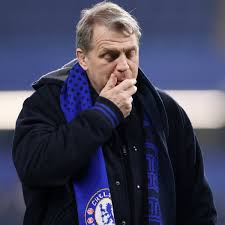
Chelsea Football Club’s ownership under the BlueCo consortium led by Todd Boehly and Clearlake Capital has entered one of its most turbulent periods since taking over in 2022.
What was once billed as a long-term “modern football project” is now facing intense scrutiny from supporters, ex-players, and analysts, as poor performances on the pitch collide with rising unrest off it.
Recent defeats, managerial instability, financial pressure, and organized fan protests have all combined to create what many are calling a defining crisis moment for Chelsea’s ownership structure.
A Club in Decline: On-Field Struggles Fuel Frustration
Chelsea’s sporting collapse has been central to the backlash.
The club is currently enduring one of its worst runs in decades, including multiple consecutive Premier League defeats and historically poor form. (Reuters)
The team has struggled with:
- Defensive instability
- Lack of attacking cohesion
- Frequent managerial changes
- Inconsistent player performances
Even with heavy spending over £1 billion on transfers since the takeover the results have not matched expectations.
This disconnects between investment and performance has become the core frustration for supporters.
Ownership Under Fire: “No Clear Direction”
A growing number of fans and analysts believe the issue goes beyond the pitch.
A major supporters’ survey revealed widespread dissatisfaction, with more than half of respondents expressing no confidence in the club’s leadership or football decision-making structure.
Key concerns include:
- Lack of a clear football strategy
- Constant managerial turnover
- Confusing recruitment policies
- Weak communication with fans
Over 80% of the supporters surveyed also criticized Chelsea’s overall sporting model, suggesting deep structural problems rather than temporary form issues. (TalkSport)
Fan Protests Intensify
The discontent has now moved beyond online criticism into organized protest.
Supporter groups have staged demonstrations and plan further actions targeting ownership decisions, ticket pricing, and the club’s long-term direction.
One of the most visible chants from fans has been direct:
“They don’t care about us; we care about Chelsea FC.” (The Sun)
This reflects a widening emotional gap between supporters and the ownership group.
Many fans feel the club has shifted from football-first identity to a business-driven model focused heavily on data, player trading, and long-term asset growth.
Managerial Instability Adds to Chaos
Since the takeover, Chelsea has gone through multiple managers in quick succession, including high-profile appointments and dismissals.
Recent managerial turbulence has included:
- Frequent sackings within short periods
- Disagreements between coaching staff and directors
- Conflicting visions between ownership and football management
Even successful coaches have struggled to survive long-term due to internal disagreements over strategy.
This instability has prevented continuity, which is widely seen as essential for building a competitive team.
Financial Pressure Behind the Scenes
Despite heavy spending, Chelsea’s financial situation remains under strain.
The club has reported significant losses in recent seasons, with concerns about meeting financial regulations if performance does not improve.
Key financial challenges include:
- High wage bill despite inconsistent results
- Loss of Champions League revenue
- Heavy transfer amortization costs
- Pressure from ownership-related debts
Without European qualifications, the financial gap could widen further, increasing pressure to sell players or restructuring operations.
The Core Problem: Strategy vs Reality
At the heart of the backlash is a fundamental question: what is Chelsea trying to become?
Under the current ownership, the club has pursued a model focused on:
- Signing young players with high potential
- Long-term contracts
- Data-driven recruitment
- Squad value appreciation
However, critics argue this approach has not yet translated into winning football.
Former players and analysts have publicly questioned whether the club prioritizes business logic over sporting success. (The Scottish Sun)
This tension between football identity and corporate strategy is now central to the crisis.
What This Means for Chelsea
1. A Trust Crisis Between Fans and Owners: Chelsea’s biggest problem may not be results but trust.
Many supporters no longer believe ownership has a clear or effective plan for success.
Rebuilding that trust will require more than wins; it will require transparency and consistency.
2. Pressure for Structural Reform: There are growing calls for changes in sporting director roles, recruitment strategy, managerial stability policies, and fan engagement systems
Without reform, protests and dissatisfaction are likely to continue.
3. Risk of Losing Club Identity: Chelsea’s identity once defined by elite competitiveness and silverware now feels uncertain.
Supporters fear the club is drifting away from its winning culture into a long-term experimental phase.
4. Impact on Players and Performance: Unrest off the pitch is already affecting performances on it.
Players operate in an environment of constant managerial changes, fan hostility, and tactical inconsistency.
This creates instability that directly impacts results.
What Happens Next?
Chelsea’s ownership now faces three urgent priorities:
- Stabilize the team with consistent leadership
- Reconnect with supporters through clear communication
- Deliver improved performances quickly to reduce pressure
Failure to do so could intensify protests and deepen the crisis.
Conclusion: A Defining Moment for Chelsea Ownership
The backlash facing Chelsea’s owners is not a passing storm; it is a structural challenge that reflects deeper issues within the club’s direction.
What was once a bold rebuilt project is now under pressure to prove it can deliver results, unity, and identity.
Chelsea stands at a crossroads:
- Continue the current model and risk further unrest
- Or reset strategy to restore stability and trust
Either way, the coming months will define not just the ownership era but the future identity of Chelsea Football Club itself.