Excessive Turmeric Intake Can Cause Kidney Damage, Nephrologists Warn
Nephrologists have warned that excessive consumption of turmeric supplements may increase the risk of kidney stones and kidney damage due to their high oxalate content. Experts urge moderation and medical advice before prolonged use.
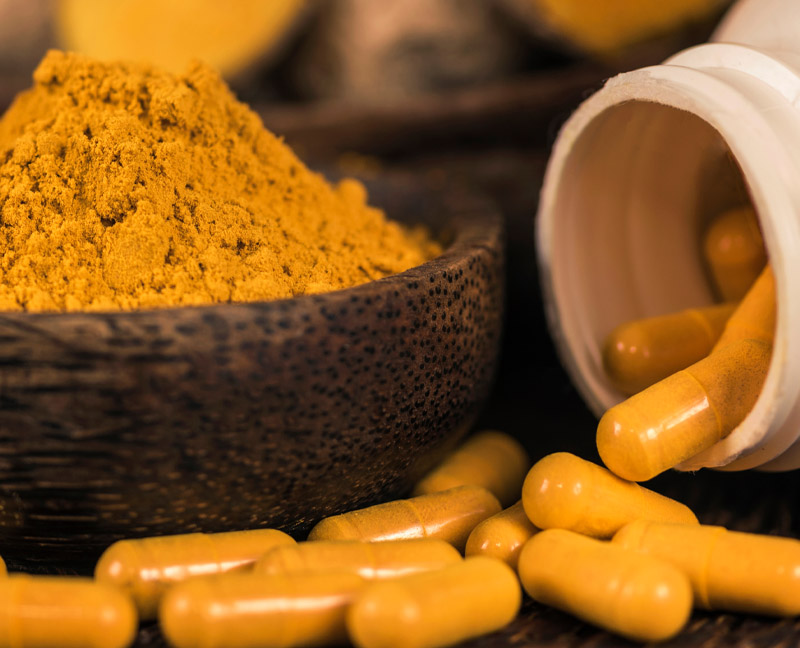
Medical experts have cautioned against excessive turmeric consumption, particularly in concentrated supplement form, warning that overuse may increase the risk of kidney stones and, in severe cases, contribute to kidney damage.
Nephrologists - the physicians who specialise in kidney health say that while turmeric has long been praised for its anti-inflammatory and antioxidant properties, consuming it in large quantities over an extended period may pose health risks, especially for individuals with pre-existing kidney conditions or a history of kidney stones. (health.harvard.edu, kidney.org)
Turmeric's Popularity Continues to Grow
Turmeric, a bright yellow spice derived from the root of the Curcuma longa plant, has been used for centuries in traditional medicine, particularly in India and other parts of Asia.
Its active ingredient, curcumin, has been widely studied for its potential anti-inflammatory, antioxidant, and antimicrobial properties. As a result, turmeric supplements have become increasingly popular among people seeking natural remedies for arthritis, digestive disorders, and other chronic conditions.
However, kidney specialists warn that "natural" does not always mean "risk-free."
According to nephrologists, many consumers mistakenly assume herbal supplements can be taken in unlimited quantities without side effects. Excessive intake can have serious consequences. (National Center for Complementary and Integrative Health, Mayo Clinic)
High Oxalate Levels Raise Concern
One of the main concerns surrounding excessive turmeric consumption is its relatively high concentration of oxalates.
Oxalates are naturally occurring compounds found in many plant foods. When consumed in large amounts, they can bind with calcium in the kidneys to form calcium oxalate crystals, the most common type of kidney stone.
Dr Naim Maalouf, a kidney stone specialist at the University of Texas Southwestern Medical Centre, has noted that turmeric contains substantial amounts of soluble oxalates, which can pose a risk of stone formation in susceptible individuals. (UT Southwestern Medical Center)
Nephrologists explain that while ordinary culinary use of turmeric in food is generally considered safe, concentrated capsules and powders often contain much higher doses than those consumed in regular diets.
Supplements Pose Greater Risks
Experts emphasise that the greatest concern involves high-dose turmeric supplements rather than the spice used in everyday cooking.
Some commercial supplements contain several hundred milligrams or even grams of concentrated curcumin per serving, far exceeding the amount naturally found in food.
Long-term use of these high-dose products without medical supervision may increase the likelihood of developing kidney stones, particularly among individuals who are genetically predisposed or who have experienced stones in the past.
The National Kidney Foundation advises patients with recurrent calcium oxalate stones to discuss herbal supplements with their healthcare providers before using them regularly. (kidney.org)
Potential Impact on Kidney Function
While kidney stones themselves can be extremely painful, untreated or recurrent stones may also obstruct urine flow, increasing the risk of urinary tract infections and, in severe cases, permanent kidney damage.
Nephrologists warn that repeated obstruction or untreated complications can reduce kidney function over time.
In addition, there have been isolated medical case reports linking excessive turmeric supplementation to oxalate nephropathy, a rare condition in which oxalate crystals accumulate within the kidneys and impair their ability to filter waste effectively. (American Journal of Kidney Diseases)
Although such cases remain uncommon, specialists say they highlight the importance of moderation.
Who Is Most at Risk?
Doctors say certain individuals should exercise caution when taking turmeric supplements, including people with a history of kidney stones, individuals living with chronic kidney disease (CKD), patients with reduced kidney function, people who consume multiple herbal supplements simultaneously, and individuals taking blood-thinning medications or medications that interact with turmeric.
Healthcare providers recommend consulting a physician before beginning any long-term supplement regimen.
Turmeric Still Has Proven Benefits
Despite the warnings, nephrologists stress that turmeric remains a valuable dietary spice when consumed in moderation.
Research suggests curcumin may help reduce inflammation, ease symptoms of osteoarthritis, and provide antioxidant benefits.
Some studies are also investigating its potential role in supporting cardiovascular health, improving metabolic function, and reducing inflammation associated with chronic diseases.
However, experts caution that more high-quality clinical trials are needed before many of these health claims can be confirmed.
The National Center for Complementary and Integrative Health (NCCIH) notes that while turmeric shows promise in several areas, evidence supporting many therapeutic uses remains limited. (nccih.nih.gov)
Moderation Is Key
Medical professionals emphasise that moderation is the safest approach.
Using turmeric as a culinary spice in curries, soups, rice dishes, and other meals is generally regarded as safe for most healthy individuals.
Problems are more likely to arise when people consume large amounts of concentrated supplements daily without professional guidance.
Experts also recommend staying well hydrated, particularly for individuals prone to kidney stones, as adequate fluid intake helps reduce the concentration of stone-forming substances in urine.
Growing Need for Consumer Awareness
The popularity of herbal supplements has grown rapidly worldwide, fueled by social media trends and claims of natural healing.
However, nephrologists say many consumers remain unaware that supplements are not entirely free of side effects or drug interactions.
They urge the public to discuss any herbal products they are taking with their healthcare providers, especially before surgery or when managing chronic illnesses.
According to the experts, informed use - not fear - is the best approach.
Conclusion
Turmeric continues to be one of the world's most widely used medicinal spices, offering several potential health benefits when consumed appropriately.
However, nephrologists warn that excessive intake, particularly through high-dose supplements, can increase the risk of kidney stones and, in rare cases, contribute to kidney damage.
For most people, incorporating turmeric into a balanced diet remains safe. But those considering long-term supplementation should first seek medical advice to ensure the potential benefits outweigh the risks.
As with many natural remedies, experts agree that moderation, evidence-based use, and proper medical guidance remain essential for protecting long-term kidney.