EU Eyes €90 Billion Financial Support Package for Ukraine Amid Prolonged War
The European Union is reportedly preparing a €90 billion financial aid package to help Ukraine rebuild, stabilize its economy and fund essential services - a major show of solidarity as Kyiv endures war and seeks long-term recovery.
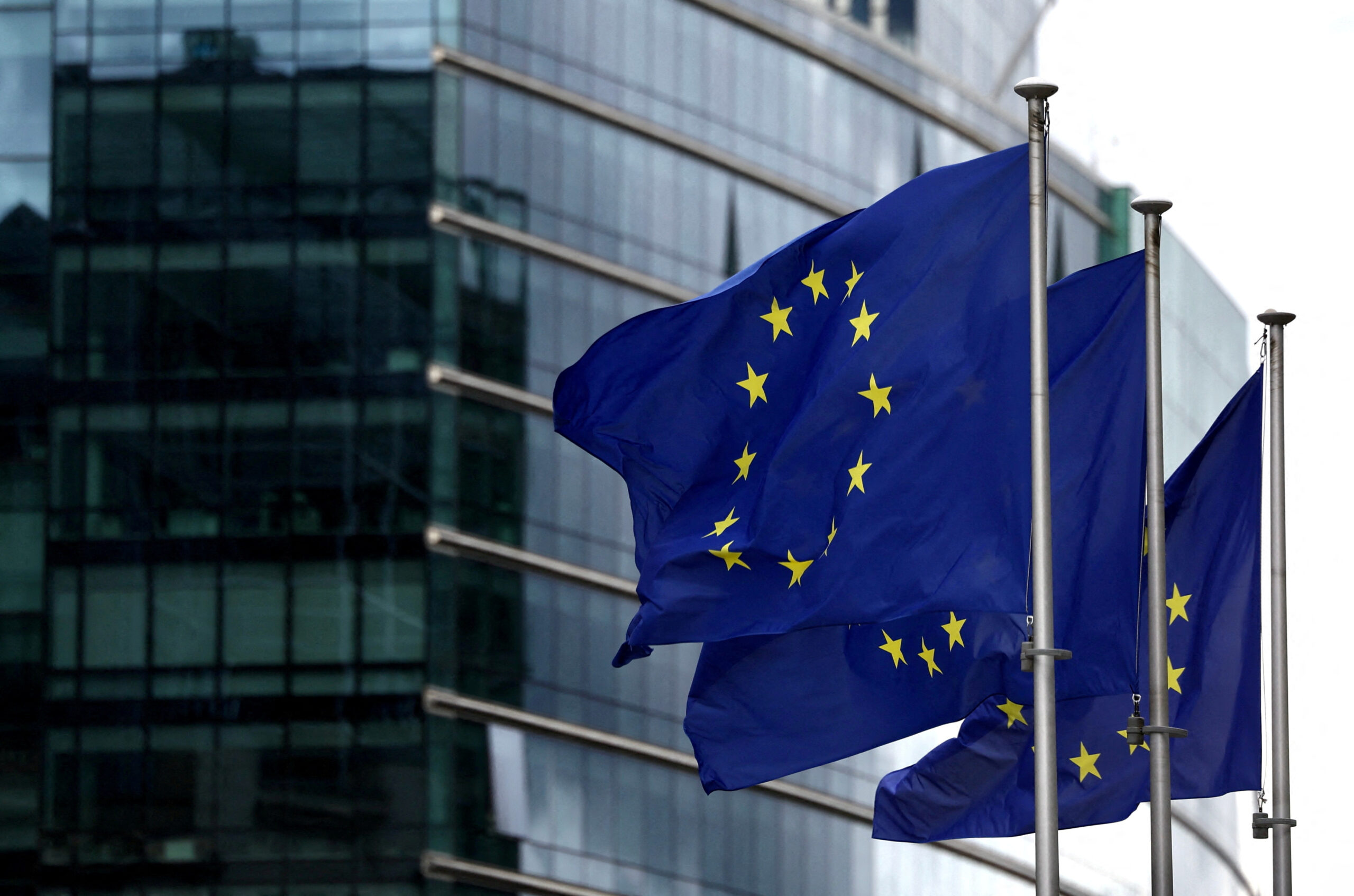
The European Union (EU) is laying the groundwork for a sweeping €90 billion support package to Ukraine. While the exact instruments and timeline are still being finalized, EU officials describe the funds as crucial to help Kyiv manage reconstruction, social welfare, public services and the economic fallout of prolonged conflict. Multiple European capitals supporting the plan say the package reflects the bloc’s enduring commitment to Ukraine’s sovereignty and stability.
One senior EU diplomat, speaking on condition of anonymity due to the sensitivity of ongoing negotiations, described the plan as “modular” - combining direct grants, long-term low-interest loans, budget support, and conditional infrastructure funding. The aim is to provide Ukraine not just emergency relief, but the financial foundation for medium-term recovery.
Why €90 billion is being considered now
Since Russia’s full-scale invasion in 2022, Ukraine has suffered catastrophic damage to infrastructure, economy, public services, and social safety nets. Coupled with massive displacement and mounting costs of defence and humanitarian needs, Ukrainian authorities have repeatedly called on European partners to commit long-term support - not only to counter the immediate war impact but to avoid state collapse during bleak winters.
The proposed €90 billion package follows earlier waves of emergency aid, military support, and limited reconstruction funds. But EU and Ukrainian leaders now agree that a longer-term, larger-scale financial commitment is necessary - both for Kyiv to manage short-term needs (energy imports, public services, pensions) and to build the foundations for post-war reconstruction and economic recovery.
In remarks summarized by European media, EU leaders say the funding effort is part of a broader strategy to prevent economic collapse in Ukraine, to stabilize the region, and to ensure that Ukraine remains aligned with European political, economic and democratic standards in the long run.
What the money might cover: priorities and provisions
According to preliminary draft papers seen by several European news outlets, the €90 billion package is expected to allocate funds roughly across the following priorities:
• Reconstruction of critical infrastructure: repair of damaged roads, bridges, power grid, water and sanitation systems, hospitals and schools destroyed or damaged during the war.
• Support for social welfare and public services: pensions, health care, social assistance for internally displaced people (IDPs), evacuees, and war-affected households.
• Budget support and macro-economic stabilization: helping Ukraine manage deficits, stabilize its currency, support central government operations - especially through harsh winters with high energy costs.
• Economic revitalization and development: seed funding for agricultural sector revival, small and medium enterprises, job creation, rebuilding industries, and encouraging foreign and domestic investment.
• Energy and transition assistance: funding to help rebuild energy infrastructure, import energy, and possibly support transition to more resilient or renewable energy sources in rebuilding efforts.
• Governance, anti-corruption and reform incentives: conditional grants tied to structural reforms, judicial/institutional rebuilding, anti-corruption measures - to align Ukraine more closely to EU standards.
EU officials say the package will likely combine direct grants (non-repayable portions) with long-term loans. Some of the funds may also be channelled via multilateral financial institutions allied with the EU.
Political and strategic significance for EU and Ukraine
For the EU, the €90 billion plan represents more than a financial commitment - it is a strategic and political signal. It reaffirms the bloc’s pledge to support Ukraine’s sovereignty, to deter further aggression, and to share the long-term burden of rebuilding. By putting significant funds on the table, the EU also seeks to stabilize Eastern Europe and prevent spill-over of instability, migration, or humanitarian crises.
For Ukraine, the potential aid offers a lifeline: a chance not only to keep the state functioning through war, but also to lay the groundwork for post-war recovery, growth and closer integration with Europe. Ukrainian officials say such support could enable reconstruction of thousands of homes, restoration of essential infrastructure, resumption of education and health services, and revival of economic opportunities for millions of citizens.
Challenges ahead - financial, political, and logistical hurdles
Despite the optimism around the pledge, several obstacles could complicate its implementation:
• Budget constraints and donor fatigue: Many EU member states are under fiscal pressure themselves, facing economic slowdowns, energy costs, inflation, and domestic demands. Committing large grants and long-term loans may strain national budgets or require reallocation of priorities.
• Ensuring accountability and fighting corruption: For the €90 billion to be effective, robust oversight, transparency, and conditionality will be essential. Ukraine’s history of corruption and governance challenges means that misuse or mismanagement remains a risk. Some EU lawmakers have warned that future aid must be tied to strict reforms, which could complicate negotiations with Kyiv.
• Logistical and security risks in war-torn areas: Rebuilding infrastructure and delivering services in active conflict zones or recently liberated areas remains dangerous and complicated. Construction, distribution, and reconstruction efforts may face security, supply-chain, workforce, and administrative obstacles.
• Public support and political singularity among EU states: Not all EU member states may support a large-scale long-term commitment. Some might push for shorter-term humanitarian relief or seek safeguards before committing to loans or grants - potentially delaying approval or diluting the package.
• Balancing aid with strategic aims: The EU must balance humanitarian and reconstruction aid with strategic goals - deterring further aggression, maintaining support for Ukraine without escalating conflict, and aligning reconstruction with European standards.
What comes next - approval process and timeline
The €90 billion plan is currently in draft form, under discussion among the leaders of EU member states, financial institutions, and Ukraine’s government. Final approval will likely require agreement at both the EU Council (heads of state/government) and the European Parliament.
If approved, initial disbursements may begin before the end of 2025 - focusing on urgent public-service needs, energy imports, inflation control and IDP support. Reconstruction and infrastructure allocations may roll out in 2026 and beyond, once security conditions on the ground stabilize.
EU officials say they hope to combine the financial package with policy and technical support: governance reforms, anti-corruption measures, institutional rebuilding and oversight mechanisms. They argue this will maximise impact, ensure sustainability, and align Ukraine’s recovery with European integration aspirations.
Reaction from Ukraine and international observers
In Kyiv, government insiders reportedly welcomed the plan with cautious optimism. Officials expressed gratitude for the show of solidarity and said the amount could help stabilize Ukraine’s economy during the war - provided funds flow quickly, and administration remains transparent. Some Ukrainian lawmakers have already called for a reconstruction plan based on the EU funds, outlining housing, infrastructure, and social welfare priorities.
International observers - financial institutions, NGOs, and policy analysts - generally praise the initiative as crucial for Ukraine’s survival. However, many emphasise the need for rigorous oversight, accountability, and conditions to prevent misuse. They note that long-term success depends not only on delivering funds but ensuring effective governance, local capacity building, and reconstruction planning.
A historic commitment - if EU can deliver
The proposed €90 billion financial support by the EU to Ukraine signals a new phase in wartime solidarity - from ad-hoc aid and military support to long-term reconstruction and state-building efforts. If implemented effectively, the package could stabilise Ukraine’s economy, rebuild essential infrastructure, and bring Kyiv closer to European standards and integration.
Yet the challenges are substantial: political will across EU capitals, financial strain, security risks, oversight, and effective governance in Ukraine all stand between this promise and tangible results.
For Ukraine and its citizens, the next few months will reveal whether this bold plan becomes a turning point, or another wave of unfulfilled assurances.