Escalation Raises Global Oil Fears as Iran-Backed Houthis Join War Against Israel
Iran-backed Houthi rebels join the war against Israel, launching missile attacks and threatening key oil routes. Explore the global implications for peace, energy markets, and geopolitics.
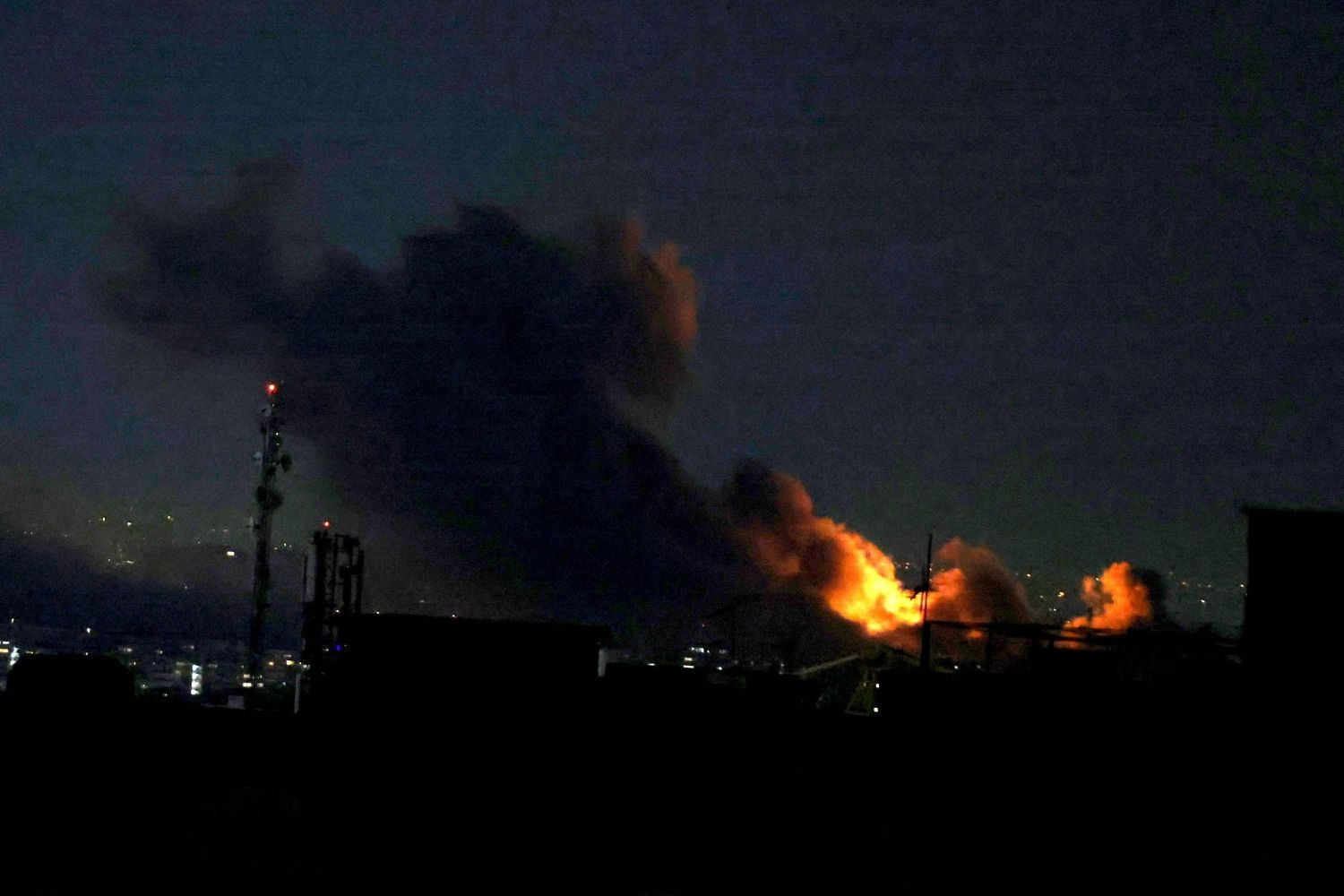
The Middle East conflict has entered a far more dangerous phase following the direct involvement of the Houthi movement, an Iran-aligned group based in Yemen. Their entry into the war against Israel has expanded the scope of hostilities beyond a bilateral confrontation, raising fears of a wider regional war with global consequences.
What began as escalating tensions between Iran and Israel is now evolving into a complex, multi-front conflict - one that threatens not only regional stability but also global energy security.
Houthis Open a New Front
On March 28, 2026, the Houthis confirmed they had launched missile strikes toward Israeli targets, marking their first direct involvement in the ongoing war. Although Israel’s defense systems reportedly intercepted the missiles, the strategic significance of the attack cannot be overstated.
The move signals that Iran’s network of regional allies is becoming increasingly active. By joining the conflict, the Houthis have effectively opened a southern front, stretched Israel’s military focus, and complicated the operational landscape for its allies, including the United States.
This development also underscores a broader pattern: the transformation of the conflict into a networked confrontation involving both states and non-state actors across multiple territories.
Strategic Waterways Under Threat
Perhaps the most immediate global concern is the risk to critical maritime chokepoints. The Houthis have previously demonstrated their ability to target shipping lanes, and their renewed activity raises alarms about the security of the Bab al-Mandeb Strait, a narrow passage that connects the Red Sea to the Gulf of Aden.
This route is one of the world’s most important energy corridors, carrying a significant share of global oil shipments. Any disruption here would have immediate ripple effects across international markets.
At the same time, Iran’s influence over the Strait of Hormuz adds another layer of risk. Together, these two waterways form a critical backbone of the global oil supply. If both were to be compromised simultaneously, the consequences could be severe, ranging from supply shortages to sharp increases in shipping and insurance costs.
Oil Markets on Edge
The mere possibility of disruptions in these strategic corridors has already unsettled global energy markets. Oil prices have shown signs of volatility as traders react to the heightened risk environment.
For many countries, particularly those dependent on imported fuel, the implications are serious. Rising oil prices tend to translate into higher transportation costs, increased inflation, and economic strain on households.
For oil-producing nations like Nigeria, the situation presents a complex mix of opportunity and risk. While higher prices could boost government revenues, the broader instability in global markets could offset these gains by triggering economic uncertainty and currency pressures.
A Dangerous Escalation
The entry of the Houthis significantly increases the likelihood of a broader regional conflict. What is emerging is not just a war between nations but a layered confrontation involving proxy forces aligned with larger geopolitical interests.
The risk now is that other actors in the region could be drawn in, either directly or indirectly. Gulf states, for instance, may feel compelled to respond if their infrastructure or shipping routes come under threat. Meanwhile, the United States has already signaled its readiness to protect strategic interests in the region, raising the stakes further.
This kind of escalation creates a volatile environment where miscalculations can quickly spiral into wider conflict.
Global Trade and Security Implications
Beyond oil, the Red Sea corridor is a vital artery for global trade. Any sustained disruption caused by Houthi activity could force shipping companies to reroute vessels around Africa, significantly increasing transit times and costs.
Such disruptions would not only affect energy markets but also global supply chains, potentially leading to shortages of goods and increased prices worldwide.
At the same time, the growing role of non-state actors like Houthis highlights a shift in modern warfare. Groups that once operated within localized conflicts are now capable of influencing global geopolitics, challenging traditional notions of state power.
Diplomatic Efforts Under Strain
Efforts to de-escalate the conflict have so far struggled to gain traction. Various regional and international actors, including Saudi Arabia and Turkey, have engaged in diplomatic initiatives aimed at reducing tensions.
However, deep mistrust among the parties involved, combined with ongoing military actions, has made meaningful progress difficult. Iran’s rejection of earlier peace proposals has further complicated the situation, leaving little room for immediate resolution.
Implications for World Peace
The widening of the conflict to include the Houthis represents a critical turning point. It signals that the war is no longer confined to a single axis but is becoming a broader regional struggle with global implications.
The danger lies not only in the scale of the conflict but also in its unpredictability. With multiple actors operating across different fronts, the risk of unintended escalation is high.
For the international community, the situation presents a stark challenge: how to contain a conflict that is rapidly expanding beyond traditional boundaries.
Conclusion
The involvement of the Houthis in the war against Israel marks a significant and troubling escalation. It transforms an already tense situation into a multi-front conflict with the potential to disrupt global energy markets, destabilize international trade, and threaten world peace.
As tensions continue to rise, the need for urgent and effective diplomatic intervention becomes ever more critical. Without it, the world risks sliding into a deeper and more prolonged crisis - one whose consequences could extend far beyond the Middle East.