Eric Swalwell Drops Out of California Governor Race Amid Misconduct Claims: Political Fallout and Key Lessons for Democracy
Eric Swalwell has reportedly exited the California governor race following renewed sexual misconduct allegations. This analysis explores the political impact, public reaction, and lessons for leadership accountability.
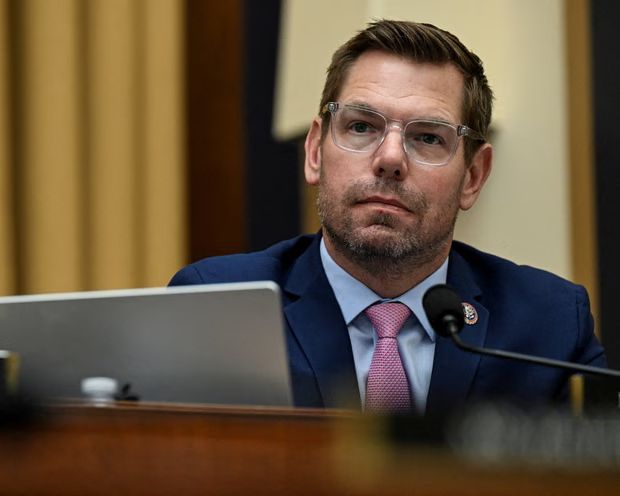
The 2026 California governor's race has taken a dramatic turn following reports that U.S. Congressman Eric Swalwell has withdrawn from the contest amid resurfacing sexual misconduct allegations and renewed political scrutiny.
The development has sent shockwaves through California’s political landscape, reshaping the Democratic primary field and reigniting national debates about ethics, accountability, and the role of personal conduct in public office.
While Swalwell has long been a prominent figure in U.S. politics, particularly on national security and impeachment-related proceedings, this latest controversy has forced a reassessment of his political future and public trust in leadership.
The Withdrawal and Immediate Reactions
Reports emerging in early April 2026 indicated that Swalwell stepped back from the California gubernatorial race following mounting pressure linked to past allegations and renewed media attention. While official campaign statements emphasized “personal and family considerations,” political observers widely interpreted the move as a response to escalating controversy.
The allegations, which have circulated in previous years, gained renewed traction in the current political climate, prompting scrutiny from both opponents and commentators.
His withdrawal immediately altered the dynamics of the California governor race, one of the most closely watched state elections in the United States.
Political Fallout in California
Swalwell’s exit has created a ripple effect across California’s political ecosystem.
1. A Reshaped Democratic Field: With Swalwell out of the race, other Democratic contenders are expected to consolidate support more quickly. This shift could accelerate fundraising, endorsements, and early voter alignment among remaining candidates.
2. Republican Strategy Adjustments: Republican candidates are also recalibrating their strategies, as Swalwell was seen as a high-profile opponent whose national visibility could have shaped the tone of the race.
3. Uncertainty Among Voters: For voters, especially in a politically polarized state like California, the sudden exit adds another layer of uncertainty to an already complex electoral landscape.
Allegations and Public Scrutiny
The controversy surrounding Swalwell is not new, but its resurgence has proven politically consequential.
The allegations involve claims of inappropriate conduct, which have previously been investigated or reported in various forms across media outlets. While Swalwell has denied wrongdoing in past instances, the renewed attention has intensified public debate about transparency and accountability in political life.
It is important to note that political figures often face resurfacing allegations during campaign seasons, where media scrutiny is significantly heightened.
Why This Matters in Modern Politics
Swalwell’s withdrawal highlights a broader trend in contemporary politics: the increasing weight of personal conduct in determining political viability.
In previous decades, such controversies might have been managed within party structures or overshadowed by policy debates. Today, however, the digital media environment ensures that allegations, whether resolved or unresolved, remain permanently accessible and politically impactful.
Key Lessons from the Swalwell Exit
1. Public Trust Is Now a Primary Political Currency: In modern democratic systems, credibility is often as important as policy. Voters are increasingly evaluating candidates not just on ideology, but on perceived integrity and personal history.
Swalwell’s exit underscores how quickly trust can erode once allegations resurface in the public domain.
2. Media Cycles Can Reignite Old Controversies: One of the most significant dynamics in this case is the role of media amplification. Past allegations that had faded from immediate political discussion were revived through new reporting cycles, social media engagement, and political commentary.
This demonstrates how modern media ecosystems can reshape political timelines.
3. Political Campaigns Are Highly Vulnerable to Non-Policy Issues: Despite policy platforms and legislative records, campaigns can be derailed by personal controversies. This reflects the increasingly holistic nature of voter judgment, where character and conduct are inseparable from political capability.
4. Party Risk Management Is Becoming More Aggressive: Political parties are now more proactive in managing reputational risks. Candidates facing legal or ethical scrutiny may face internal pressure to step aside to protect broader electoral prospects.
Swalwell’s exit may reflect such strategic considerations within the Democratic Party.
5. Accountability Standards Are Rising: Whether in the U.S. or globally, there is a growing expectation that public officials meet higher ethical standards. This trend is reshaping political culture, making it harder for leaders to survive sustained controversy.
Broader Implications for U.S. Elections
The California governor's race is one of the most influential state elections in the United States, often seen as a bellwether for national political trends.
Swalwell’s withdrawal could influence:
- Campaign narratives around ethics and leadership
- Fundraising dynamics among remaining candidates
- Voter turnout and engagement levels
- Media framing of Democratic Party unity and stability
It also reflects the broader volatility of U.S. electoral politics, where unexpected developments frequently reshape race dynamics.
Public Reaction: Divided and Intensified
Public response to Swalwell’s exit has been mixed.
Supporters argue that he is being treated unfairly and that resurfaced allegations should not override his legislative record. Critics, however, believe that accountability is essential regardless of timing or political consequences.
This division reflects a broader polarization in American political culture, where interpretations of ethics and responsibility often depend on partisan alignment.
Conclusion: A Turning Point in Political Accountability
Eric Swalwell’s reported withdrawal from the California governor race marks more than just a campaign setback reflects the evolving standards of modern political life.
In an era defined by digital permanence, media amplification, and heightened public scrutiny, political careers can be reshaped instantly by resurfaced allegations or reputational challenges.
The key lesson is clear: modern politics demands not only policy competence but sustained personal credibility. Once public trust is disrupted, recovery becomes increasingly difficult.
As the California race moves forward without him, Swalwell’s exit will likely remain a case study in how personal controversy, media dynamics, and political strategy intersect in shaping democratic outcomes.