Elon Musk’s Push for “Technological Freedom” Could Revolutionize Smartphones and Global Connectivity
Elon Musk’s vision for technological freedom through Starlink satellites and direct-to-phone connectivity could transform smartphones, bypass telecom monopolies, and reshape global internet access.
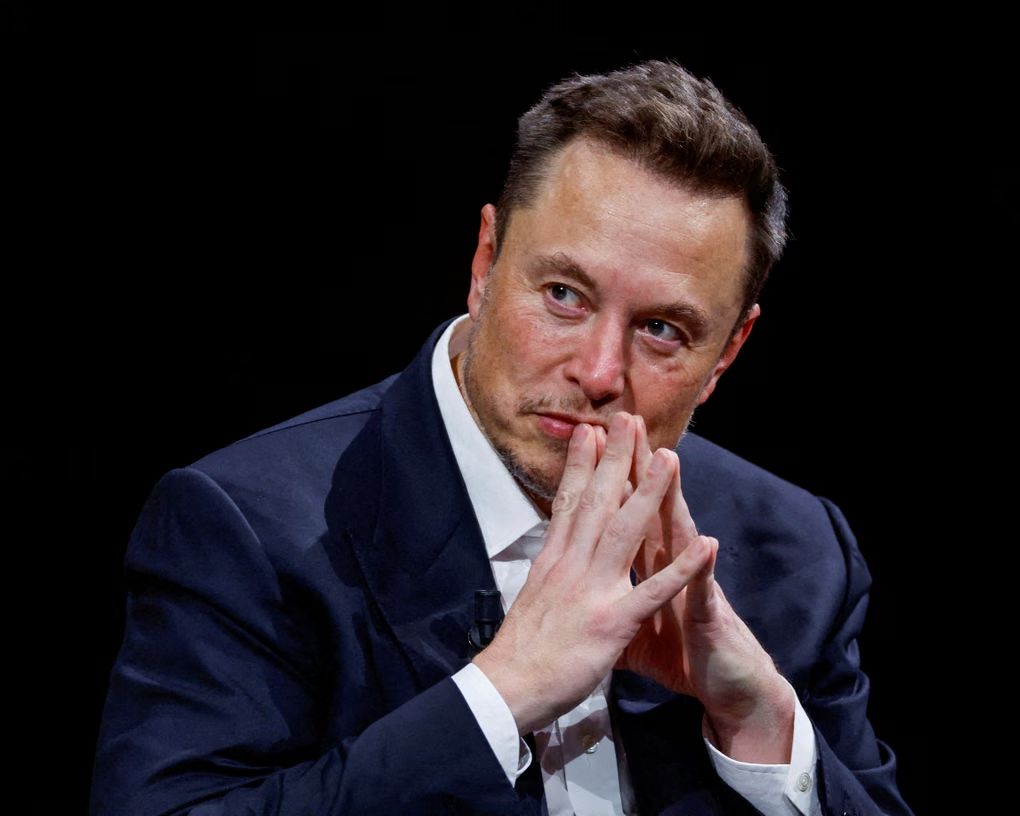
In recent years, billionaire entrepreneur Elon Musk has increasingly championed what many analysts describe as “technological freedom” - a vision in which global connectivity is no longer limited by national telecom infrastructure, geography, or government-controlled networks.
At the center of this ambition is SpaceX’s satellite internet system, Starlink satellite network, which aims to provide high-speed internet anywhere on Earth. If Musk’s latest technological roadmap succeeds, the result could fundamentally transform smartphones, telecommunications infrastructure, and global access to information.
From direct satellite-to-phone connectivity to AI-driven communication networks, Musk’s push toward technological autonomy could reshape how billions of people communicate.
The Vision of Technological Freedom
Musk has repeatedly argued that unrestricted internet access empowers individuals, allowing them to learn, innovate, and communicate beyond political or geographical constraints.
Starlink represents the practical embodiment of this philosophy. Unlike traditional telecommunications systems that rely on ground-based towers and fiber-optic networks, Starlink uses thousands of satellites in low Earth orbit to deliver broadband connectivity worldwide.
With thousands of satellites already deployed, the network has become the largest satellite constellation ever built and continues to expand rapidly. (Wikipedia)
Technology has already demonstrated its importance in disaster response, remote education, rural connectivity, and military communications.
But Musk’s broader ambition goes further: to remove the dependency of mobile devices on traditional telecom carriers entirely.
Direct-to-Phone Satellite Connectivity.
One of the most disruptive developments currently under development is direct satellite connectivity for smartphones. According to recent announcements from SpaceX, mobile phones could soon connect directly to Starlink satellites without the need for ground cell towers. (The Times of India)
This technology could enable users to: send messages and make calls from remote regions, access high-speed internet anywhere on Earth, and maintain connectivity during disasters or network outages.
Musk has suggested that such connectivity could allow users to “watch videos anywhere on your phone,” highlighting the potential for seamless global coverage.
To achieve this, engineers are developing new modem technology capable of communicating directly with satellites while optimizing signal strength and bandwidth.
AI-Powered Communication Infrastructure
Another breakthrough may come from AI-driven satellite communication chips currently under development. Reports indicate that semiconductor companies are designing modems capable of predicting satellite trajectories and dynamically optimizing signal links in real time. (Tom's Hardware)
This technology would enable mobile devices to automatically connect to the most efficient satellite signal, dramatically improving performance and reliability.
If successful, the system could form the backbone of a next-generation non-terrestrial network (NTN - effectively creating a space-based global mobile network that bypasses conventional telecommunications infrastructure. Such technology could potentially usher in the era of space-enabled 6G communications.
Ending the Telecom Monopoly?
Perhaps the most disruptive aspect of Musk’s vision is the possibility that satellite networks could bypass traditional telecommunications providers altogether.
Historically, mobile connectivity depends on national telecom operators who control infrastructure such as towers, cables, and spectrum licenses.
But direct satellite-to-phone communication could allow a single network to provide global mobile coverage independent of national carriers.
Some analysts warn that this shift could dramatically alter the telecommunications industry. One analysis noted that satellite-based services could eventually replace traditional mobile networks entirely, bypassing national infrastructure and regulatory systems. (The Washington Post)
If that happens, the global telecom market - worth trillions of dollars - could face a major structural transformation.
Transforming Access to Information
For many observers, the most profound impact of Musk’s technological freedom agenda lies in universal access to information.
Today, billions of people still live in regions where reliable internet access is limited or unavailable. Satellite connectivity could help close this digital divide by providing internet access in:
- Remote rural regions
- developing countries
- disaster zones
- conflict areas
In fact, Starlink has already been deployed in dozens of countries and has played a role in maintaining communications during conflicts and humanitarian crises.
The implications for education, entrepreneurship, and global collaboration could be enormous.
Geopolitical Implications
However, Musk’s push for technological freedom also raises complex geopolitical questions. Because satellite networks operate globally, they are not bound by traditional national borders or telecom regulations.
This creates a scenario where private companies could control the communication infrastructure that governments historically managed.
Some policymakers worry that such power could weaken national sovereignty over digital networks. Others argue it could undermine censorship regimes and enable freer communication across borders.
The influence of Starlink has already been visible in global conflicts, where satellite connectivity has played a strategic role in maintaining communications during wartime operations.
The Future of Smartphones
Interestingly, Musk has also hinted that the smartphone itself may eventually evolve or even disappear.
Some futurists believe that technologies such as brain-computer interfaces - being developed by Musk’s neurotechnology company Neuralink - could one day replace traditional handheld devices. (Facebook)
While such concepts remain speculative, they highlight Musk’s broader philosophy: technology should continuously evolve toward greater human freedom and capability.
In the near term, however, smartphones are likely to remain the central device through which billions of people access global digital networks. The difference may be that these phones will connect directly to satellites rather than towers.
Challenges Ahead
Despite its promise, Musk’s technological revolution faces several major obstacles. These include regulatory approval from governments, spectrum allocation for satellite communication, and technological limitations such as battery consumption and cybersecurity concerns.
There are also debates about whether private companies should wield so much influence over global communications infrastructure. Nonetheless, the pace of technological innovation suggests that satellite-based connectivity will become increasingly important in the coming decade.
Conclusion
Elon Musk’s pursuit of technological freedom represents one of the most ambitious transformations in the history of global communications.
By combining satellite networks, AI-driven communication technology, and direct smartphone connectivity, Musk is pushing toward a world where any person, anywhere on Earth, can access the internet without restriction.
If this vision succeeds, it could reshape the telecommunications industry, empower billions of people with new access to knowledge, and redefine the very nature of smartphones and digital connectivity.
Whether celebrated as a technological revolution or debated as a shift in global power, one thing is clear: the future of connectivity may increasingly come from space.