Elon Musk’s APC Tweet Sparks Political Firestorm in Nigeria
Elon Musk’s viral tweet about Nigeria’s APC ignited nationwide debate. This in-depth analysis explores the reactions, political implications, and what it means for Nigerians.
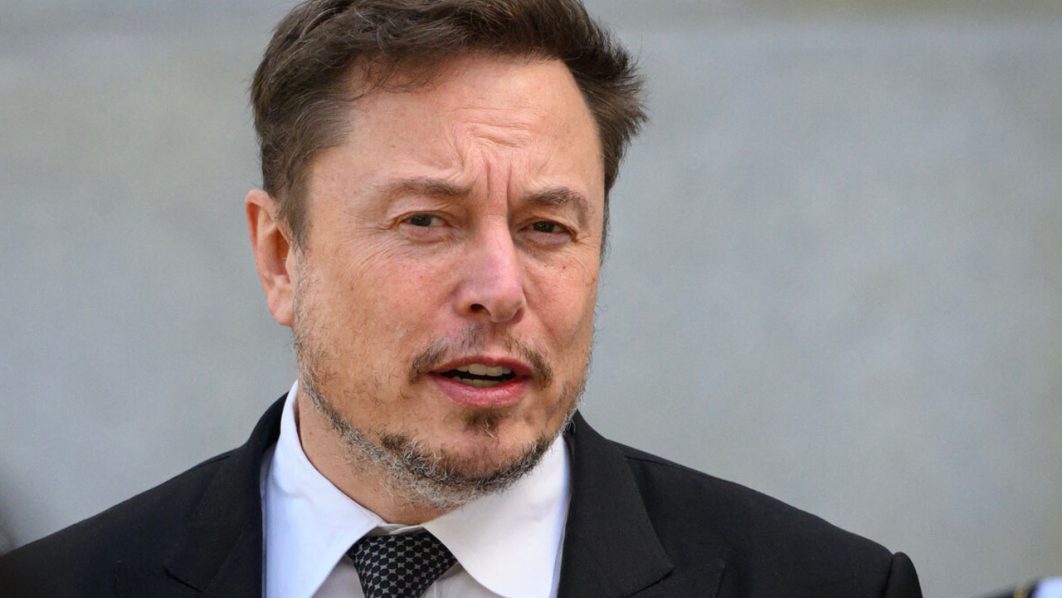
A single social media reaction from Elon Musk has once again demonstrated the power of digital influence - this time in Nigeria’s fragile political space.
In early April 2026, Musk’s engagement with a controversial post referencing Nigeria’s ruling party, the All-Progressives Congress (APC), triggered widespread debate across Nigerian social media, political circles, and global commentary platforms. What began as a seemingly casual interaction quickly escalated into a national conversation about governance, foreign influence, and the power of global tech figures in domestic politics.
April 2026 - The Tweet That Sparked a National Debate
The controversy began when Musk reportedly reacted through a repost or brief comment to a claim about Nigeria’s political or regulatory policies linked to the APC government. In a similar recent case, his reaction to a Nigerian policy post drew over 12 million views within 48 hours, demonstrating his massive influence on global discourse. (Businessday NG)
In this instance, the APC-related tweet quickly went viral, drawing thousands of reactions from Nigerians who interpreted Musk’s engagement as either endorsement, curiosity, or subtle criticism.
Within hours, the issue moved beyond social media into mainstream media discussions, political commentary, and policy debates.
Nigerian Reactions: Between Pride, Concern, and Criticism
The response from Nigerians was far from uniform. Instead, it revealed deep divisions in public sentiment.
1. National Pride and Global Attention: Some Nigerians welcomed the attention, seeing Musk’s involvement as proof that Nigeria’s political and policy decisions are globally relevant. For a country often seeking foreign investment and recognition, the engagement of a global tech figure was seen as validation.
2. Defensive Pushback: Others pushed back strongly against what they perceived as misinformation or oversimplification of Nigerian policies. As seen in previous Musk-related debates, Nigerians often flood replies with corrections and contextual explanations to reclaim their narrative.
This digital activism reflects a growing trend: Nigerians actively shaping global perception of their country online.
3. Criticism of Foreign Influence: A significant portion of the reaction centered on concern. Critics argued that Musk, as a foreign billionaire, has no direct stake in Nigeria’s political realities and should not influence public opinion.
For them, the issue was not just about one tweet but about the broader risk of external voices shaping domestic political narratives.
Why Musk’s Voice Carries So Much Weight
Musk’s influence is not accidental. As the owner of X, he commands one of the largest digital megaphones in the world.
His posts routinely reach tens of millions of users within hours. This level of visibility means that even a short reaction - sometimes just a word like “hmm”- can amplify a topic into global discourse.
Moreover, Musk has a history of engaging in political conversations worldwide, often sparking controversy with his views on governance, free speech, and policy decisions. (Wikipedia)
In Nigeria’s case, where social media plays a central role in political engagement, his influence is even more pronounced.
The APC Factor: Politics in the Digital Age
The involvement of the APC adds another layer of complexity. As Nigeria’s ruling party, the APC is already at the center of intense scrutiny over economic reforms, governance, and national direction.
Musk’s engagement effectively internationalized these domestic debates. Issues that were previously local suddenly became global talking points.
This shift highlights a new reality:
Nigerian politics is no longer confined within national borders - it is increasingly shaped by global digital conversations.
Implications for Nigeria
1. Increased Global Scrutiny: Musk’s tweet has placed Nigeria under a global spotlight. Policies and political decisions are now being examined not just by Nigerians but by international audiences.
While this can attract investment and attention, it also exposes the country to criticism and misunderstanding.
2. Risk of Misinformation: One of the biggest dangers is the spread of misinformation. As seen in previous Musk-related controversies, initial claims can be misinterpreted or exaggerated before corrections emerge.
In a country with complex political dynamics, oversimplified narratives can distort public understanding and fuel tension.
3. Digital Sovereignty Concerns: The episode raises questions about digital sovereignty - who controls the narrative about Nigeria?
When foreign influencers shape conversations about domestic politics, it challenges the ability of local institutions and citizens to define their own stories.
4. Empowerment of Citizen Voices: On the positive side, the debate also showcased the power of Nigerian voices online. Citizens actively engaged, corrected narratives, and defended their perspectives.
This reflects a maturing digital democracy where public discourse is no longer controlled solely by political elites or traditional media.
What This Means for Nigerians
For ordinary Nigerians, the implications are both immediate and long-term.
A New Political Battlefield
Social media is now a central arena for political engagement. Tweets, reposts, and viral content can shape opinions as much as traditional campaigns.
The Need for Digital Literacy
As global figures join local conversations, Nigerians must navigate a complex information environment. Understanding context, verifying information, and resisting manipulation are becoming essential civic skills.
Opportunity for Global Engagement
At the same time, this moment presents an opportunity. Nigerians can use global platforms to tell their stories, influence international perception, and participate in global conversations on their own terms.
A Broader African Perspective
The Musk-APC episode is not just a Nigerian story - it reflects a broader trend across Africa.
As social media platforms become more influential, African politics is increasingly intersecting with global digital culture. Leaders, policies, and controversies are no longer confined to national borders.
This creates both opportunities and risks:
- Opportunities for visibility and engagement
- Risks of external influence and misrepresentation
Conclusion
Elon Musk’s engagement with an APC-related tweet may have lasted only seconds - but its impact has been far-reaching.
It has exposed the growing intersection between global tech power and local politics, highlighted the strengths and vulnerabilities of Nigeria’s digital space, and sparked important conversations about influence, identity, and sovereignty.
For Nigerians, the lesson is clear: in the age of global social media, the battle for narrative control is as important as the battle for political power.
And in that battle, every tweet matters.