Electoral Reforms: Timi Frank Petitions Donald Trump Over Nigeria’s 2027 Elections – Democracy at Risk?
Comrade Timi Frank has petitioned former U.S. President Donald Trump, warning that Nigeria’s democracy is under threat ahead of the 2027 polls. Read the full analysis of his open letter, key allegations, and implications for electoral reforms
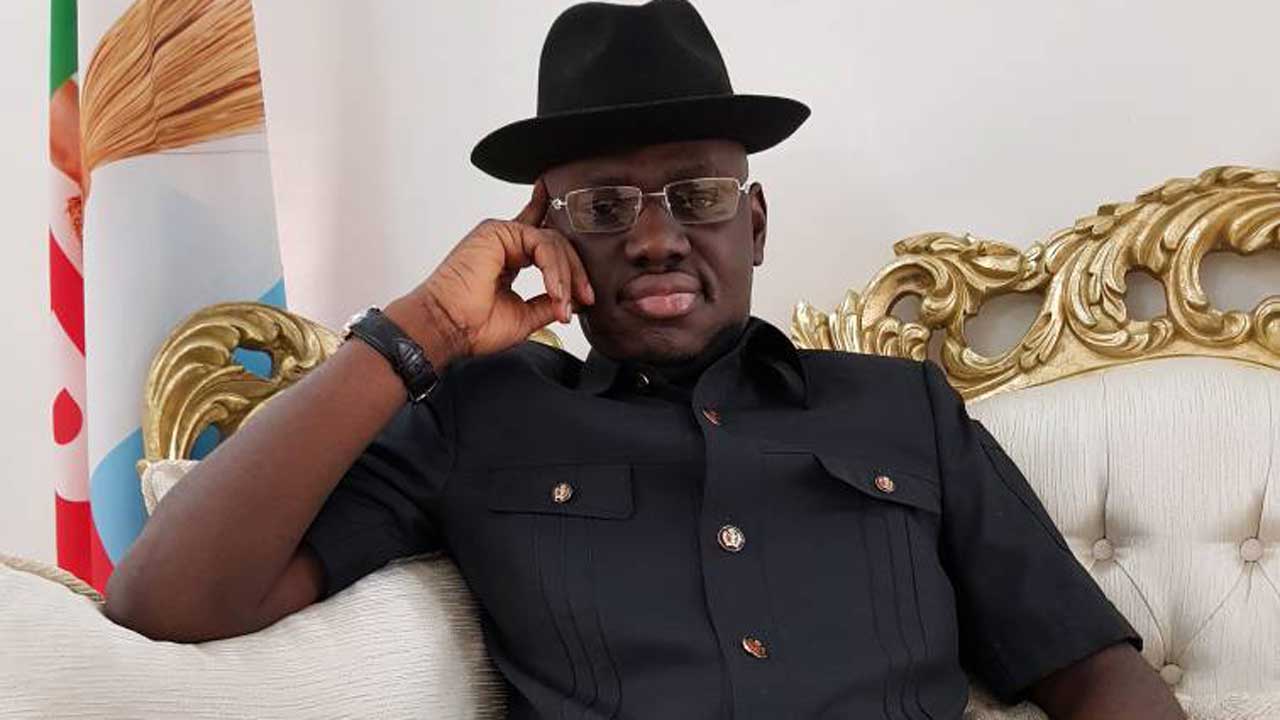
In a dramatic political development that has stirred debate in Nigeria’s public sphere, Comrade Timi Frank, a former Deputy National Publicity Secretary of the All Progressives Congress (APC) and prominent political activist, has officially petitioned former United States President Donald Trump regarding the state of Nigeria’s democratic process ahead of the 2027 general elections. His open letter - dated 7 February 2026 - paints a sombre picture of Nigeria’s electoral landscape and warns of potential turmoil if certain alleged plans to manipulate the polls are not halted.
Key Allegations in the Open Letter
In the widely circulated letter, Frank accuses Nigeria’s ruling party and leadership of the National Assembly of orchestrating moves to entrench a de facto one-party system. He describes these alleged manoeuvres as “political genocide” against Nigerians and urges the international community to intervene to safeguard the nation’s democratic future. (The Guardian Nigeria)
At the core of Frank’s argument is the claim that efforts are underway to undermine critical electoral reforms, particularly provisions of the Electoral Act 2022 that are intended to curb vote rigging and strengthen transparency. According to Frank, these provisions, supported by what he claims is over 80 per cent public backing, are being systematically weakened, effectively clearing the way for fraud and manipulation in 2027.
He alleges that the Senate leadership, in league with Nigeria’s ruling party under a “highly compromised Senate President,” is central to this process, laying what he describes as the groundwork to manipulate and rig the upcoming elections.
Alleged Flaws from the 2023 Election Highlighted
Frank revisits the 2023 general elections, which he criticizes as deeply flawed, citing low voter turnout figures and international observer reports to underscore his concerns about credibility. He highlights that the then-declared winner secured office with only 36.61 per cent of votes cast from an eligible voter population exceeding 93 million - statistics he says raise serious questions about the legitimacy of the electoral process.
To reinforce his point, he references assessments by international observers, including the European Union Election Observation Mission, which reportedly noted transparency gaps and operational weaknesses during the elections. He also cited previous calls by the United States Department of State urging improvements by the Independent National Electoral Commission (INEC).
Calls for International Intervention
Frank’s letter explicitly calls on Donald Trump - and, by extension, the broader international community - to intervene, warning that failure to act could elevate political tensions in Nigeria to widespread unrest, violent conflict, and a breakdown of law and order. He argues that the issues are systemic and have roots in lingering distrust of electoral institutions and political actors.
He also urged consideration of targeted measures against those he believes are orchestrating moves to disenfranchise voters, particularly naming the Senate President as central to these efforts. Frank asserts that the legislature has become one of the weakest in Nigeria’s history and is complicit in undermining democratic norms.
Concern Over State Institutions
Going beyond political actors, Frank claims that state institutions - including the military, police, and judiciary - are being subjected to pressure to conform to partisan objectives, further eroding democratic safeguards. He frames this as symptomatic of a broader trend toward authoritarianism that must be checked domestically and internationally.
Context of Broader Electoral Reform Debates
Frank’s petition emerges against a backdrop of sustained debate in Nigeria over electoral credibility and institutional reform. Critics of the current electoral system, including Frank on multiple occasions, have previously called for enhancements such as real-time transmission of results and stronger oversight measures to bolster trust in elections. For example, in past commentary, Frank warned that without reforms, Nigeria’s electoral system risks repeating problems seen in previous polls and could erode democratic legitimacy. (Pulse Nigeria)
This debate is not isolated. Civil society, political analysts, and some political parties have routinely argued that key structural reforms - including clearer laws around result transmission, stronger safeguards against vote tampering, and judicial independence - are essential for credible elections. These calls have occasionally brought attention to comparisons with international electoral standards, notably around connectivity and transparency practices.
Reactions and Implications
Frank’s letter has sparked mixed reactions across Nigeria’s political and civil society landscapes. Supporters of electoral reform laud his boldness in raising global awareness, while critics view the appeal to an external figure such as Donald Trump as inappropriate or counterproductive to Nigeria’s sovereignty. Regardless of stance, the petition underscores the magnitude of anxiety within certain quarters about Nigeria’s electoral future.
Nigeria’s democracy has faced scrutiny before, with ongoing issues around electoral credibility, judicial efficiency, and institutional independence. While some believe that international attention can pressure political actors to uphold democratic standards, others argue that domestic reform and civic engagement remain the strongest levers for sustainable change.
Conclusion
Comrade Timi Frank’s petition to Donald Trump over the 2027 general elections is more than a political statement - it is a stark reflection of deep-seated concerns about electoral integrity in Nigeria’s evolving democracy. By framing the issues as existential threats requiring global attention, Frank continues a long-standing narrative that reform, transparency, and accountability are foundational to ensuring free and fair elections.
As Nigeria prepares for one of its most consequential electoral cycles yet, the discourse around credibility, reform, and democratic resilience remains at the forefront of national conversation - and Frank’s petition, whether lauded or criticized, is sure to amplify that discussion.