ECOWAS Reaffirms Commitment to Launch ECO Single Currency by 2027
The Economic Community of West African States (ECOWAS) has reaffirmed its commitment to introducing the ECO single currency by 2027, describing the initiative as a major step toward deeper regional integration, economic stability and increased intra-African trade.
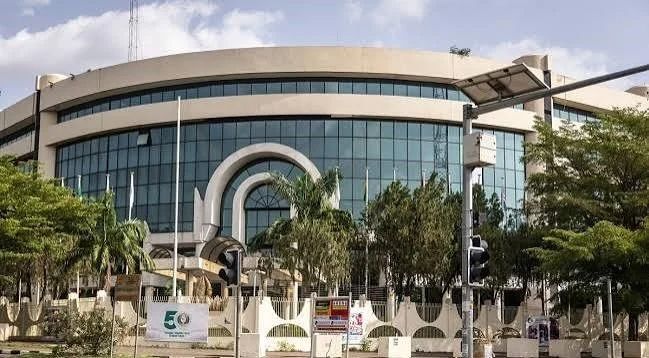
The Economic Community of West African States (ECOWAS) has reaffirmed its determination to introduce the long-awaited ECO single currency by 2027, reiterating that the regional monetary union remains central to its vision of deeper economic integration and sustainable growth across West Africa.
The renewed commitment was announced during high-level meetings of finance ministers, central bank governors and regional economic policymakers, where member states reviewed progress toward meeting the convergence criteria required for the successful launch of the common currency.
ECOWAS leaders described the ECO project as one of the bloc's most ambitious economic initiatives, capable of transforming trade, investment and financial cooperation among the region's 15 member countries.
The announcement comes as West African governments intensify efforts to strengthen regional economic resilience amid global economic uncertainties, inflationary pressures and currency volatility.
ECOWAS Stands by 2027 Deadline
Officials at the meeting reaffirmed that 2027 remains the target year for the rollout of the ECO, despite previous delays caused by economic disruptions, the COVID-19 pandemic and difficulties in meeting macroeconomic convergence benchmarks.
According to ECOWAS, member states have made significant progress in harmonising monetary and fiscal policies while continuing reforms aimed at strengthening financial stability.
The regional body said governments are committed to accelerating implementation of outstanding requirements to ensure the successful introduction of the common currency.
ECOWAS Commission President Dr. Omar Alieu Touray emphasized that political commitment remains strong and that member states continue working collectively toward achieving the monetary union.
The Commission noted that regular assessments of economic performance will continue as countries seek to satisfy the agreed convergence criteria.
Why the ECO Matters
The ECO is intended to become a common currency for ECOWAS member states, replacing multiple national currencies currently used across the region.
Supporters argue that a single currency would eliminate exchange-rate uncertainties, reduce transaction costs and make cross-border trade easier for businesses and consumers.
Economists believe the initiative could significantly boost intra-regional commerce by creating a more integrated financial market and facilitating the movement of goods, services and capital.
The monetary union is also expected to enhance regional competitiveness while strengthening West Africa's collective bargaining power in the global economy.
Business groups have welcomed the renewed commitment, saying a common currency could improve investment opportunities and simplify commercial transactions across borders.
Convergence Criteria Remain Critical
Despite the optimism, ECOWAS acknowledged that member countries must continue meeting strict macroeconomic convergence requirements before the ECO can be introduced.
These include maintaining low inflation, sustainable public debt levels, controlled fiscal deficits, stable exchange rates and adequate foreign exchange reserves.
Officials stressed that achieving these benchmarks is essential to ensuring the long-term stability and credibility of the common currency.
The West African Monetary Institute (WAMI) continues monitoring member states' progress and providing technical support for policy coordination.
Economic experts note that consistent implementation of sound fiscal and monetary policies will determine whether the 2027 target can be achieved.
Boost for Regional Trade
One of the principal objectives of the ECO is to increase trade within West Africa.
Currently, intra-ECOWAS trade accounts for a relatively small proportion of the region's total commerce, with many countries conducting larger volumes of trade with partners outside Africa.
Regional policymakers believe a common currency would reduce barriers to commerce by eliminating conversion costs and minimizing exchange-rate risks.
The initiative also complements the African Continental Free Trade Area (AfCFTA), which seeks to create the world's largest free trade area by connecting African economies.
Analysts say successful implementation of both initiatives could substantially accelerate industrialization and economic diversification across the continent.
Challenges Ahead
Although ECOWAS remains optimistic, experts caution that significant challenges remain before the ECO becomes a reality.
Many member states continue to experience high inflation, fiscal imbalances and public debt pressures that could complicate efforts to meet convergence targets.
Differences in economic structures, monetary policies and development levels also present considerable obstacles to establishing a stable monetary union.
Some economists have urged policymakers to prioritize economic fundamentals over political deadlines to ensure the currency's long-term success.
Others argue that stronger institutional coordination and enhanced financial governance will be necessary before monetary integration can be fully realized.
Nigeria's Strategic Role
As West Africa's largest economy, Nigeria is expected to play a pivotal role in the success of the ECO project.
The country's economic performance, monetary policy and fiscal discipline will significantly influence the stability of any future regional currency.
Officials from the Central Bank of Nigeria (CBN) have consistently participated in ECOWAS discussions regarding monetary integration while emphasizing the importance of meeting agreed economic benchmarks.
Observers note that Nigeria's support remains crucial given its economic size and influence within the regional bloc.
Private Sector Welcomes Renewed Commitment
Business leaders across West Africa have largely welcomed ECOWAS' renewed commitment to the ECO.
Manufacturers, exporters and financial institutions believe a single currency could reduce business costs and improve regional investment flows.
Banks operating across multiple ECOWAS countries also anticipate greater efficiency in cross-border financial transactions once a common currency is introduced.
However, private sector organisations have urged governments to continue engaging businesses during implementation to ensure a smooth transition.
Looking Toward 2027
With the renewed commitment to the 2027 launch date, attention will now focus on whether member states can fulfill the remaining technical and economic requirements.
ECOWAS officials expressed confidence that continued cooperation among governments, central banks and regional institutions will keep the project on course.
If successfully implemented, the ECO would represent one of the most significant milestones in West Africa's economic history, creating a unified monetary system for a region of more than 400 million people.
For millions of businesses and citizens, the single currency promises easier trade, lower transaction costs and stronger regional integration.
While challenges remain, ECOWAS leaders insist that sustained political will, economic reforms and regional cooperation will be essential in transforming the long-envisioned ECO from aspiration into reality by 2027. (cbn.gov)