ECOWAS Leaders Forge United Front to Halt Spread of Coups, Deploy Standby Force After Benin Crisis
ECOWAS moves from sanctions to proactive military and diplomatic action to stop coups, strengthen regional security and defend democracy in West Africa.
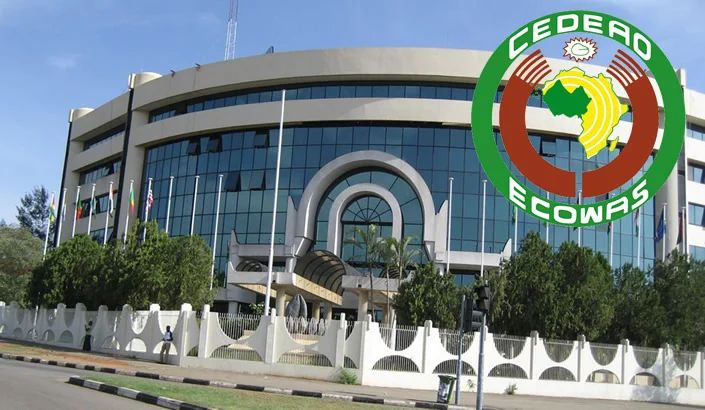
Leaders of the Economic Community of West African States (ECOWAS) have agreed on a bold new strategy to halt the growing wave of military coups and insecurity across West Africa, moving from reactive sanctions to proactive military and diplomatic intervention. The decision was reached at the 68th Ordinary Session of the ECOWAS Authority of Heads of State and Government in Abuja on Sunday. (Premium Times Nigeria)
The summit took place against the backdrop of several recent unconstitutional power seizures in the region, including a failed coup attempt in the Republic of Benin on 7 December 2025 and a successful military takeover in Guinea-Bissau in November 2025. (RTL Today)
A key outcome of the meeting was a commitment by member states to forge a “proactive and forceful united front” aimed at preventing coups before they take root, responding swiftly when they occur, and addressing underlying security threats such as terrorism, organized crime, and transnational insecurity.
Rapid Response in Benin: A New ECOWAS Playbook
ECOWAS’s renewed approach was demonstrated in its quick reaction to the Benin crisis, where soldiers briefly seized the national broadcaster and attempted to overthrow the government. Within hours, Nigerian fighter jets and ground troops were mobilized to support loyalist forces, acting at the request of the Beninese government. (Anadolu Ajansı)
Following consultations among member states, the bloc also ordered the deployment of its standby force - comprising troops from Nigeria, Sierra Leone, Côte d’Ivoire, and Ghana - to Benin to help preserve constitutional order and territorial integrity. (Channels Television)
The swift regional response marked a significant shift from previous policy options that had relied heavily on economic sanctions and diplomatic censure. ECOWAS has signalled that timely military support may be necessary to save democratic institutions when they are immediately threatened.
Solidarity, Security and Shared Threats
In his keynote address, Nigerian President Bola Ahmed Tinubu, representing ECOWAS’s immediate past Chairman, highlighted the array of cross-border challenges that traditional unilateral or reactive responses cannot adequately address - coups, terrorism, organized crime, arms proliferation, cyber insecurity, climate shocks, food insecurity and irregular migration. (Peoples Gazette Nigeria)
Tinubu stressed that these threats “have no respect for borders,” adding that the bloc must act collectively if it wants to secure lasting peace and stability for the region’s more than 400 million people. He argued that “no single member state, regardless of size or strength, can achieve enduring stability in isolation.”
This point resonated with other leaders at the summit, including Sierra Leone’s President Julius Maada Bio, who currently chairs the ECOWAS Authority of Heads of State. Bio commended Nigeria’s leadership role and underlined the importance of upholding the bloc’s Protocol on Democracy and Good Governance. (VON)
The summit also brought heightened attention to the ongoing crisis in Guinea-Bissau, where ECOWAS has threatened targeted sanctions against individuals and groups obstructing the return to civilian rule, underscoring the bloc’s determination to defend constitutional order.
Implications for Democracy and Regional Security
The ECOWAS leaders’ shift toward preemptive action has important implications for democracy and security in West Africa in the areas of:
1. Strengthening Collective Security Mechanisms
By committing to deploy standby forces and coordinate responses quickly, ECOWAS demonstrates a stronger willingness to enforce democratic norms beyond rhetoric. This could deter coup plotters who have previously perceived slow or limited responses from the bloc.
2. Rebuilding Regional Credibility
ECOWAS has faced criticism in recent years for inconsistent responses to coups in countries like Niger, Burkina Faso, and Mali. The new posture aims to reclaim the bloc’s credibility as a defender of democracy in Africa’s most populous region. (AP News)
3. Risk of Military Engagement
However, proactive military interventions carry risks - including escalation, sovereignty concerns, and the potential for backlash if citizens or factions perceive external forces as overstepping. Balancing respect for national sovereignty with collective security objectives will be a delicate task.
4. Deterrence and Democratic Norms
The threat of targeted sanctions and rapid standby force deployment could serve as deterrents to future coups, reinforcing the principle that unconstitutional changes of government will meet firm regional resistance.
Challenges and the Road Ahead
Despite the positive tone, analysts note several challenges for ECOWAS amongst which are:
Consistency of Enforcement: Critics argue that past actions were inconsistent, undermining regional norms. ECOWAS must maintain discipline in enforcement to avoid perceptions of political bias or selective action.
Funding and Capacity: Sustaining a standby force and rapid intervention capabilities requires significant funding and political will from member states. Equipping and maintaining these forces could strain national budgets. Analysts also question how operational readiness will be managed over time.
Internal Cohesion: ECOWAS’s ability to act collectively depends on the political cohesion of its members. Disagreements within the bloc could dilute the effectiveness of joint actions.
Conclusion: A New Chapter for ECOWAS
The Abuja summit represents a pivotal moment for ECOWAS - moving from traditional sanction-oriented responses to proactive engagement geared toward the defence of democracy and regional stability. By uniting diplomatic, economic, and military tools, the bloc is striving to stem the tide of coups that have beset West Africa and to reassure populations that democratic rule can be protected and sustained.
As ECOWAS operationalizes its new strategy, the successes and pitfalls of this approach will likely shape the future of democracy and cooperative security across West Africa - with implications for other African regional bodies confronting similar challenges.