ECOWAS Headquarters Handover: Why China’s Gift to West Africa Is Raising Questions and Disagreements
China has officially handed over the new ECOWAS headquarters in Abuja. Discover why the symbolic project is drawing praise, skepticism, and strategic disagreements.
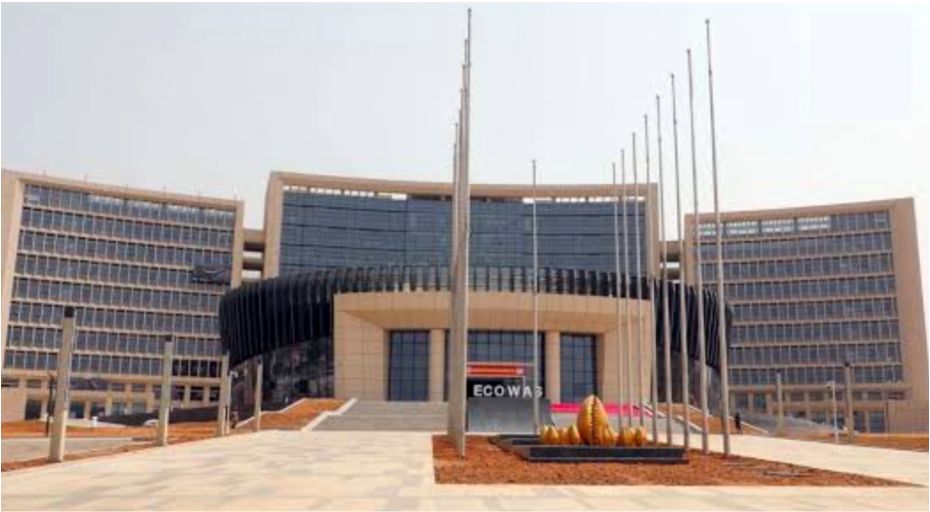
China has formally handed over the newly completed headquarters of the Economic Community of West African States (ECOWAS) in Abuja, Nigeria, marking another major milestone in Beijing’s expanding influence across Africa. The modern complex, gifted and financed by China, was presented as a symbol of friendship, cooperation, and support for regional integration. But despite the celebratory tone of the ceremony, the handover has also revived concerns about China’s motives, data security, geopolitical influence, and West Africa’s growing dependence on foreign powers. (Daily Post)
The new ECOWAS headquarters is being described as one of the most advanced institutional buildings in West Africa. Yet beneath the ribbon-cutting and diplomatic speeches lies a bigger story: why some critics disagree with China’s growing role in funding Africa’s political institutions.
What Was Handed Over?
The headquarters complex in Abuja is a state-of-the-art administrative conference facility serving ECOWAS member states. It includes office towers, an 800-seat conference hall, meeting rooms with translation systems, parking spaces, health and recreational facilities, and advanced digital infrastructure. Officials say the project cost about $56.57 million and was fully funded by the Chinese government.
ECOWAS Commission President Omar Alieu Touray praised the project, saying it would improve operational efficiency and strengthen the bloc’s capacity to coordinate economic integration, diplomacy, peacekeeping, and governance across West Africa.
China’s ambassador to Nigeria, Yu Dunhai, described the building as a reflection of the “profound bond” between China and Africa and reaffirmed Beijing’s commitment to development cooperation without political interference. (Thisdaylive)
Why Is China Investing in Such Projects?
China has spent years financing and constructing symbolic public buildings across Africa, including the African Union headquarters in Addis Ababa, government offices, stadiums, parliaments, and ministries in several countries.
These projects help China achieve several strategic goals:
First, they deepen diplomatic influence with African governments.
Second, they improve Beijing’s image as a development partner compared to Western powers.
Third, they strengthen trade and political alliances in international forums such as the United Nations.
Fourth, they create opportunities for Chinese firms, contractors, and technology suppliers.
For China, such gifts are often low-cost investments with high diplomatic returns.
Why Some People Disagree
Although ECOWAS leaders welcomed the handover, not everyone is convinced the project is purely charitable.
1. Fear of Political Influence: Critics argue that when a foreign power funds the headquarters of a regional political bloc, it can create subtle influence over decision-makers. Even if no direct control exists, dependence may shape diplomatic behavior.
China strongly values support for its “One China” policy and often seeks backing from African states in global institutions. Some observers believe these gifts help secure that support. (The Sun Nigeria)
2. Data and Surveillance Concerns: The biggest controversy stems from the earlier African Union headquarters in Ethiopia, where reports in past years alleged data was being secretly transferred to servers in Shanghai. China denied the allegations, but the incident left lasting suspicion about Chinese-built government infrastructure.
As a result, some analysts worry that highly sensitive ECOWAS communications, meetings, and digital systems could face cybersecurity risks unless independently managed.
No public evidence has emerged suggesting such issues at the ECOWAS building, but the broader concern remains.
3. Dependency Instead of Self-Reliance: Others argue that Africa’s regional bodies should finance their own headquarters rather than rely on external powers. Critics say accepting gifts for core institutions sends the wrong signal about sovereignty and financial independence.
They ask: if ECOWAS cannot build its own headquarters, how can it lead ambitious regional integration projects?
4. Symbolism Over Substance: Some economists say grand buildings do not solve West Africa’s deeper challenges - youth unemployment, insecurity, weak trade infrastructure, military coups, inflation, and energy shortages.
To them, the handover is visually impressive but less urgent than roads, electricity grids, border reforms, or food systems.
Why ECOWAS Still Accepted It
From ECOWAS’s perspective, the benefits are obvious.
The block gets a world-class headquarters without burdening member states already facing budget pressure. Many West African governments are managing debt stress, currency weakness, and domestic spending demands. A free institutional complex reduces costs and provides modern facilities immediately.
The handover also comes at a delicate time for ECOWAS, which has faced internal strains after the withdrawals of Mali, Burkina Faso, and Niger from the bloc. Stronger headquarters offer symbolism of continuity and unity during uncertainty. (Wikipedia)
What This Means for Nigeria
Because the headquarters is in Abuja, Nigeria benefits diplomatically and economically. Hosting ECOWAS reinforces Nigeria’s role as West Africa’s largest economy and most influential state. The project also strengthens Nigeria-China relations at a time when Abuja is seeking foreign investment for transport, mining, and infrastructure.
However, Nigeria must also balance relations with Western allies who view China’s growing presence with caution.
Lessons From the Handover
1. Infrastructure Is Now Geopolitics: Buildings, roads, ports, and digital systems are no longer just development tools - they are instruments of influence.
2. Free Gifts Often Carry Strategic Value: Even when no formal conditions exist, major state-funded projects can shape long-term relationships.
3. Africa Must Strengthen Institutional Independence: Regional bodies gain more leverage when they can choose partners from a position of financial strength.
4. Transparency Matters: Public confidence rises when contracts, cybersecurity systems, and operational controls are transparent.
Final Outlook
China’s handover of the ECOWAS headquarters is both a diplomatic success and a strategic signal. Supporters see generosity, partnership, and progress. Skeptics see influence, dependency, and hidden costs.
Both views can be partly true.
The real test will not be who built the headquarters, but how ECOWAS uses it: to strengthen democracy, regional trade, peace, and economic transformation across West Africa. If that happens, the building will be remembered as more than a gift - it will become a symbol of regional purpose.