Ebonyi College Workers’ Warning Strike Disrupts Academic Activities
Academic activities grind to a halt as workers at Ebonyi State College embark on a warning strike. This analysis explores the causes, implications for students, and the deeper crisis in Nigeria’s tertiary education system.
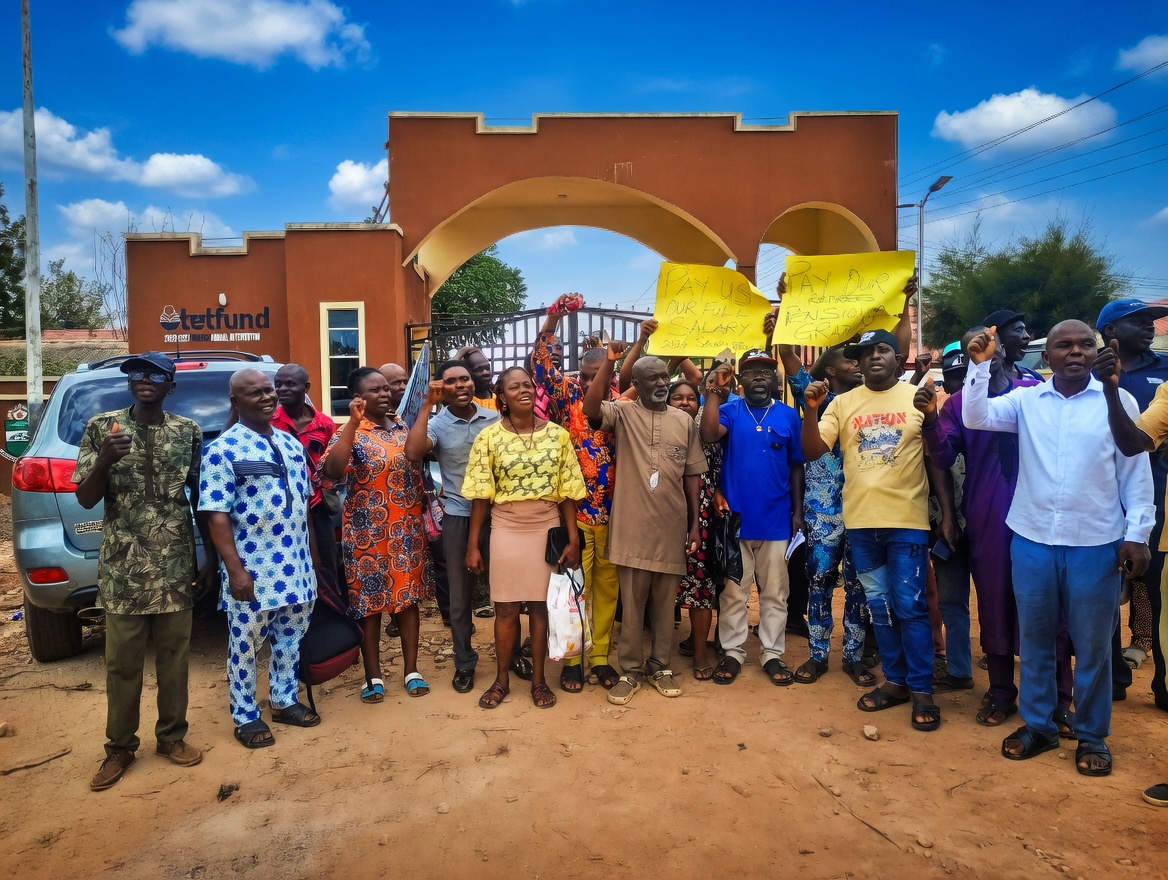
Academic activities at Ebonyi State College of Education have been abruptly halted following a warning strike by workers, signaling yet another flashpoint in Nigeria’s troubled tertiary education sector. The strike, which began in late March 2026, reflects deep-rooted grievances over unpaid salaries, poor working conditions, and unmet agreements between staff unions and management.
While labeled a “warning strike,” the disruption has already had significant consequences for students, staff, and the broader academic calendar, raising concerns about whether the situation could escalate into a prolonged shutdown.
The Strike: Immediate Shutdown of Academic Activities
Workers at the college, under the aegis of staff unions, commenced the strike after issuing multiple ultimatums that reportedly went unheeded. The action effectively shut down lectures, administrative functions, and other academic operations, leaving students stranded and uncertain about their academic future.
Reports indicate that the strike is rooted in unresolved issues, including salary arrears and alleged failure by authorities to implement previously agreed welfare packages. The swift suspension of activities underscores the level of frustration among workers, who argue that industrial action was their last resort after prolonged negotiations failed to yield results.
Core Issues: Salaries, Welfare, and Broken Agreements
At the heart of the strike are longstanding labour concerns that are common across Nigeria’s tertiary institutions.
Unpaid Salaries and Allowances
One of the primary grievances is the accumulation of salary arrears. Workers claim they have not been paid consistently, creating financial hardship and undermining morale.
Poor Working Conditions
Staff have also raised concerns about deteriorating working conditions, including inadequate facilities, lack of teaching materials, and insufficient support for administrative functions.
Unfulfilled Agreements
Perhaps the most contentious issue is the alleged failure of the institution’s management and state authorities to honor previous agreements. For unions, this represents not just a financial issue but a breach of trust.
These factors combined have created a volatile environment, where industrial action becomes almost inevitable.
Impact on Students: Academic Uncertainty Deepens
The immediate victims of the strike are the students. With lectures suspended and campus activities disrupted, many are left in limbo.
For final-year students, the timing is particularly critical. Delays in academic schedules can affect graduation timelines, national service eligibility, and future career plans.
Beyond academic delays, there are also financial implications. Students who pay for accommodation, transportation, and other expenses continue to incur costs despite the halt in academic activities.
The psychological impact is equally significant. Repeated disruptions in Nigeria’s education system have created a sense of instability, where students are unsure whether they can complete their programs on time.
A Familiar Pattern in Nigeria’s Education Sector
The situation in Ebonyi is not unique. Across Nigeria, tertiary institutions frequently experience strikes driven by similar issues -funding shortages, labour disputes, and governance challenges.
Institutions such as universities, polytechnics, and colleges of education have all faced periodic shutdowns, often lasting weeks or even months. These disruptions have become a defining feature of the system, affecting its credibility and global competitiveness. The recurring nature of these strikes points to systemic problems rather than isolated incidents.
The Funding Crisis: Root of the Problem
A key factor behind the strike is the chronic underfunding of Nigeria’s education sector. State-owned institutions rely heavily on government allocations, which are often insufficient or irregular.
In many cases, budgetary constraints lead to delays in salary payments and limited investment in infrastructure. This creates a cycle where:
- Staff become dissatisfied and resort to strikes
- Academic activities are disrupted
- Institutional performance declines
Without addressing the underlying funding issues, such conflicts are likely to persist.
Government and Management Response
In response to the strike, the college management and state government have reportedly initiated discussions with union leaders.
Authorities have appealed for calm and urged workers to return to duty while negotiations continue. However, unions have maintained that they will not suspend the strike without concrete commitments.
This standoff reflects a broader challenge in labour relations within the education sector, where trust between stakeholders is often fragile.
Labour Relations and Trust Deficit
The strike highlights a significant trust deficit between workers and authorities. For many staff members, past experiences of unfulfilled promises have made them skeptical of new assurances.
This lack of trust complicates negotiations, as verbal commitments are no longer sufficient. Workers increasingly demand written agreements and immediate implementation before suspending industrial action.
Rebuilding this trust will require consistent and transparent engagement from both management and government.
Broader Implications for Nigeria’s Education System
The disruption at Ebonyi State College of Education has implications beyond the institution itself.
First, it reinforces the perception of instability in Nigeria’s education system. Frequent strikes discourage investment, reduce academic output, and affect the country’s global ranking.
Second, it highlights the vulnerability of state-owned institutions, which often face more severe funding challenges than federal universities.
Third, it raises questions about the sustainability of the current model, where education is heavily dependent on government funding without adequate alternative revenue streams.
What Lies Ahead: Risk of Escalation
While the current action is a warning strike, there is a real risk of escalation if the issues remain unresolved. Prolonged strikes could lead to extended academic delays, increased tension between staff and management, and potential protests by students.
The outcome will largely depend on the willingness of stakeholders to reach a compromise.
The Way Forward: Toward Sustainable Solutions
Addressing the crisis requires more than temporary fixes. Long-term solutions must focus on:
- Improved funding mechanisms: Ensuring timely and adequate financial support for institutions
- Strengthened labour relations: Building trust through transparent and consistent engagement
- Institutional reforms: Enhancing efficiency and accountability within management structures
Additionally, there is a need for broader policy reforms to reduce the frequency of strikes and create a more stable academic environment.
Conclusion: Another Wake-Up Call
The warning strike at Ebonyi State College of Education is yet another reminder of the challenges facing Nigeria’s tertiary education sector.
While the immediate focus is on resolving the current dispute, the deeper issues of funding, governance, and labour relations must be addressed to prevent future disruptions.
For students, staff, and the nation, the stakes are high. Education is not just a sector - it is the foundation of development. Ensuring its stability should be a national priority.