East Asia Braces for Powerful Typhoon as Philippines Landslides Leave 15 Dead and Thousands at Risk
East Asia is preparing for a destructive typhoon after landslides triggered by heavy rains killed at least 15 people in the Philippines. Authorities have launched rescue operations and warned communities to prepare for worsening weather conditions.
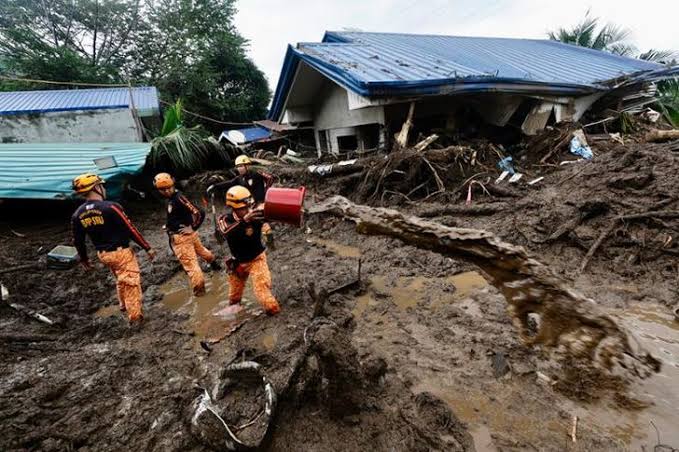
Countries across East Asia are on high alert as a powerful typhoon moves through the region, following deadly landslides and flooding in the Philippines that have claimed at least 15 lives and forced emergency agencies into a major rescue and relief operation.
The approaching storm has raised concerns among governments and weather authorities, who are warning communities to prepare for destructive winds, torrential rainfall, flooding and possible landslides.
In the Philippines, emergency responders are continuing search and rescue operations after days of intense rainfall triggered landslides in vulnerable mountainous areas, burying homes and damaging infrastructure.
Officials said the death toll could rise as rescue teams reach remote locations where access has been limited by blocked roads, collapsed bridges and continuing bad weather.
Landslides Devastate Philippine Communities
The Philippines has experienced severe weather conditions as heavy rains saturated the ground in several provinces, causing unstable slopes to collapse.
Authorities confirmed that at least 15 people were killed in landslide incidents, while others were injured or reported missing.
Rescue workers have been using heavy equipment, sniffer dogs and manual searches to locate survivors trapped beneath debris.
Local officials said some communities were caught off guard by the speed at which the landslides developed, leaving residents little time to evacuate.
Families affected by the disaster have been moved into temporary shelters, where emergency agencies provide food, water, medical assistance and other essential supplies.
Typhoon Threat Raises Regional Concerns
The incoming typhoon has prompted weather agencies across East Asia to issue warnings as the storm system strengthens over warm ocean waters.
Meteorologists say the storm could bring dangerous conditions, including extreme rainfall, coastal flooding and powerful winds capable of damaging buildings and disrupting transportation.
Authorities in several countries have activated emergency response plans, placing rescue teams, coast guards and disaster management agencies on standby.
Residents in coastal and low-lying areas have been advised to monitor official weather updates and prepare for possible evacuation orders.
Philippines Faces Recurring Weather Disasters
The Philippines is among the countries most vulnerable to tropical storms because of its location along the western Pacific typhoon belt.
Every year, the country experiences numerous storms that can cause widespread destruction, particularly in coastal communities and rural areas.
The combination of mountainous terrain, heavy rainfall and densely populated communities often increases the risk of landslides and flash floods.
Climate experts have warned that rising global temperatures may contribute to more intense storms by increasing ocean temperatures and atmospheric moisture.
The latest disaster has renewed calls for improved early warning systems, stronger infrastructure and better land-use planning to reduce risks.
Emergency Response Underway
Government agencies and humanitarian organisations have mobilised resources to assist affected communities.
Rescue teams are working to clear debris, restore access routes and locate people who remain missing.
Medical teams have been deployed to treat injuries, while local authorities are coordinating relief operations in evacuation centres.
Officials have urged residents in affected areas to cooperate with emergency instructions, particularly where evacuation notices have been issued.
They warned that returning to damaged areas too quickly could expose residents to additional dangers, including further landslides and unstable structures.
Regional Preparations Intensify
Across East Asia, governments are increasing preparedness measures as the typhoon approaches.
Emergency agencies are reviewing evacuation plans, preparing shelters and checking critical infrastructure such as power systems, airports and transport networks.
Fishermen and coastal communities have been warned about dangerous sea conditions, with authorities advising against unnecessary travel during the storm.
Schools and public facilities in some areas may be temporarily closed if conditions deteriorate.
Weather officials have stressed that residents should not underestimate the potential impact of the storm, particularly because rapidly changing weather patterns can make forecasting difficult.
Economic Impact Expected
Beyond the immediate threat to lives, the storm could have significant economic consequences.
Agricultural communities are particularly vulnerable, as flooding and strong winds can destroy crops, damage livestock facilities and disrupt food supply chains.
Small businesses in affected areas may also suffer losses due to property damage and interruptions to normal activities.
Governments in the region are expected to assess economic damage after the storm passes and begin recovery programmes for affected communities.
Climate Change and Extreme Weather Risks
Scientists have increasingly linked the growing intensity of extreme weather events to climate change.
While individual storms cannot be attributed solely to climate change, experts say warmer oceans can provide more energy for tropical cyclones and increase the likelihood of heavier rainfall.
Countries across Asia have been investing in climate adaptation measures, including improved forecasting technology, coastal protection systems and disaster preparedness programmes.
However, experts say vulnerable communities require additional support to cope with increasingly frequent weather emergencies.
Authorities Urge Vigilance
As the typhoon continues its path through the region, officials are urging residents to remain alert and rely only on information from verified weather agencies.
Emergency authorities have advised people living near rivers, mountainsides and coastal zones to prepare emergency supplies and have evacuation plans ready.
The priority remains protecting lives, assisting communities already affected by landslides and reducing the impact of the approaching storm.
For the Philippines, where families are mourning those lost in the landslides, attention now turns to rescue efforts and recovery.
For the wider East Asian region, the coming days will test emergency preparedness systems as governments work to limit the destruction from another potentially powerful typhoon. (adpc)