Dick Cheney, 84, Former U.S. Vice President, Passes Away: Legacy, Controversy and Global Impact
Former U.S. Vice President Dick Cheney dies at 84, leaving a fiercely debated legacy that continues to shape global politics, security, and America’s identity.
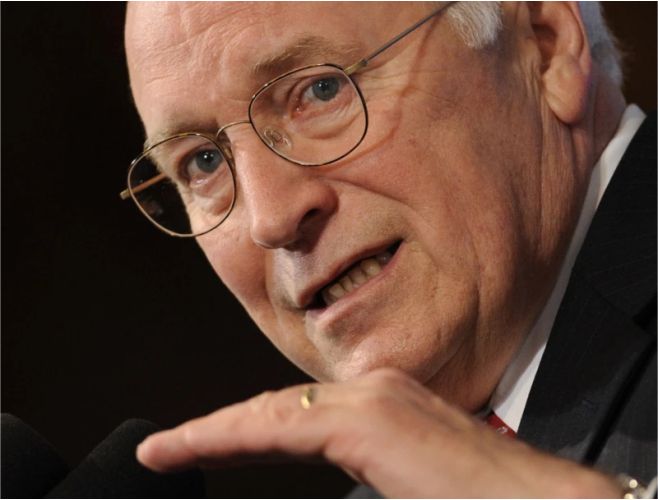
Former U.S. Vice President Dick Cheney has died at the age of 84, his family and multiple media outlets report. The announcement comes as American political observers, historians and international partners pause to assess what his death means — not just for the United States, but for global politics, diplomacy and the projection of American power abroad.
The Fact of His Passing
Cheney passed away on Monday, November 3 2025, due to complications from pneumonia, cardiac and vascular disease, according to a statement from his family. New York Post
He had endured serious health issues for decades — including multiple heart attacks and a heart transplant — and remained a widely recognised figure in U.S. government, military and energy sectors. People.com
A Long and Influential Career
Cheney’s career spanned decades. He served in Congress, as White House Chief of Staff under President Gerald Ford, Secretary of Defense under George H.W. Bush, and finally as Vice President under George W. Bush from 2001 to 2009. Wikipedia
He was widely regarded as one of the most powerful vice presidents in U.S. history — reshaping the office from a largely ceremonial role into one of strategic influence. The Guardian
His tenure included the aftermath of the September 11 attacks, the launch of the U.S. “War on Terror,” the wars in Afghanistan and Iraq, and major changes in U.S. national security policy. The Guardian

Dick Cheney with some US Army troops in Iraq
Legacy: Controversial and Complex
Cheney’s legacy is deeply contested:
- Supporters praise his dedication to national security, stability in turbulent times, and his willingness to make tough decisions.
- Critics fault him for advocating the 2003 Iraq invasion based on intelligence that proved incorrect, for endorsing controversial interrogation and surveillance practices, and for expanding executive power. The Guardian
The Guardian summarises this dual legacy: while many thanked him for service, he also remains “one of the most divisive figures” in modern American politics. The Guardian
Implications for U.S. Politics
Cheney’s death comes at a moment of sharp ideological division within the U.S., including within his own Republican Party. He and his daughter, Liz Cheney, were outspoken critics of former President Donald Trump, particularly regarding Trump’s actions around the January 6, 2021 Capitol riot. Reuters
The Trump administration’s silence on Cheney’s death - despite flags being lowered to half-staff - speaks to continuing fissures in the Republican establishment. Reuters
His passing may mark a symbolic shift: the era of post-9/11 high-security policy, of neoconservative foreign intervention, is increasingly giving way to populist nationalism, retrenchment and foreign-policy recalibration.
Global and Diplomatic Repercussions
For foreign governments and international partners, Cheney’s death triggers reflection. His leadership influenced U.S. military engagements abroad, impacted global alliances, and shaped perceptions of American power.
Some key considerations:
- Nations that allied with the U.S. during the wars in Iraq and Afghanistan may reassess how American policy evolved under Cheney’s security doctrine.
- Adversaries point to the policies of that era as justification for their own practices of intervention, surveillance and preventive war.
- America’s moral standing - particularly on human rights and war ethics - remains challenged by the Cheney legacy of controversial tactics.
What It Means for the World
The death of such a figure invites a global reassessment of several themes:
- Power of the vice presidency: Cheney’s tenure changed expectations of the role; other nations may study this model.
- Executive authority and accountability: His legacy raises questions about the balance between security and civil liberties - a debate relevant everywhere.
- War and intervention: The consequences of major interventions (e.g., Iraq) continue to shape foreign-policy thinking from Brussels to Beijing to Abuja.
Impact in Africa and Beyond
Among African policymakers and observers, Cheney’s death triggers both relief and caution. Relief because the dominant era of large-scale U.S. military intervention that he helped lead may be further receding. Caution because lessons from those interventions - both successes and failures remain relevant.
For countries that partnered with the U.S. in security cooperation, counter-terrorism or peace-keeping, his departure may prompt reflection on the nature of those partnerships going forward.
How Nigerians and the Diaspora View It
For Nigerians, both at home and abroad, Cheney was perhaps distant but influential: U.S. policy under George W. Bush, including the Iraq war, affected global oil prices, strategic alliances and African policy. Nigerians in the diaspora often navigate how American politics, such as Cheney’s era, interplay with their own identities abroad.
Diaspora Nigerians may reflect on how U.S. global power-projection shaped the world they moved into, how their own countries mirror or differ from U.S. security-driven models and how legacy figures of other nations influence their sense of belonging abroad
Many Nigerians working in the U.S., Europe or Canada may recall debates about foreign policy they once followed in Lagos or Abuja. The death of a major figure like Cheney becomes a marker of historical transition, even for those far removed geographically.
Looking Ahead: What Are the Next Steps?
As the world absorbs the news of Cheney’s passing, several focus points emerge:
- Historical reckoning: The U.S. will further assess the wisdom of the Iraq war and the expansion of executive power during Cheney’s era.
- Domestic politics: Republican party dynamics may shift further as the neoconservative generation yields to populists and newer voices.
- Foreign-policy direction: With Cheney gone, U.S. policy may evolve toward different models of intervention, diplomacy or disengagement, a moment for partners and adversaries to recalibrate.
- Global lessons: Countries around the world, including Nigeria, will revisit how they balance security, democracy and civil liberties in light of Cheney’s legacy.
- Memory and interpretation: How Cheney is remembered - hero or villain, stabiliser or interventionist, will vary widely across populations. That variation reflects broader debates about power, ethics and history.
Conclusion
Dick Cheney’s death marks the end of a defining chapter in American and global politics. From his intimate role in shaping war and security to his symbolic representation of executive ambition, he leaves behind a legacy that will be debated for decades.
For the United States, it is a moment to reflect on the costs and consequences of power. For international partners and adversaries, it is a moment to reassess alignment, cooperation and posture. For Africans and Nigerians - living amid shifting global orders - it is a moment to observe how the decline of one generation of U.S. power-brokers may reshape their world.
History will judge Cheney not just by the decisions he made, but by the shadow-lines they left behind. And as those lines trace across continents, policies and people, his departure invites the world to ask: what comes next?