Devastating Uyo Flood Leaves Hundreds Homeless, Destroys Homes and Infrastructure
A devastating flood in Uyo, Akwa Ibom State, has left hundreds of residents homeless after torrential rains submerged communities, destroyed homes and displaced families. Authorities have launched emergency response efforts as residents count their losses.
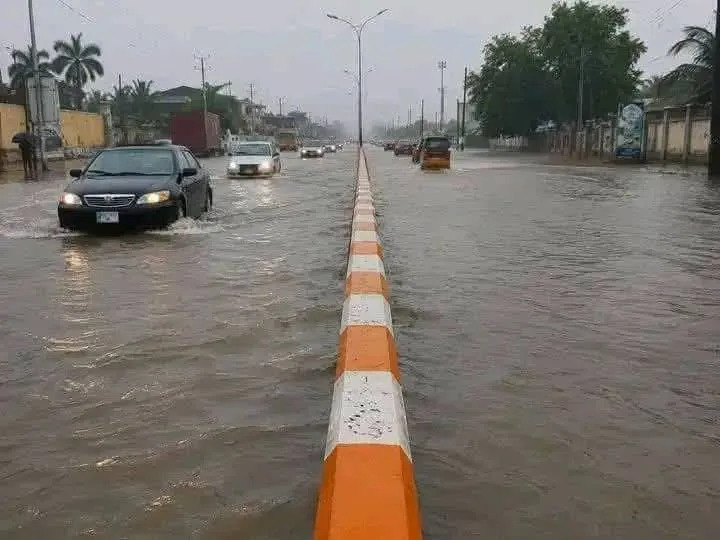
Hundreds of residents in Uyo, the capital of Akwa Ibom State, have been left homeless after a devastating flood triggered by prolonged torrential rainfall submerged several communities, destroyed homes and displaced families across the city.
The disaster, which occurred after hours of heavy downpour overwhelmed drainage channels and waterways, has once again highlighted the growing threat of urban flooding in many Nigerian cities, particularly during the peak of the rainy season.
Residents described the flooding as one of the worst experiences in recent years, with water rapidly inundating residential neighborhoods, sweeping away household belongings, damaging vehicles and cutting off access to major roads.
Emergency responders, community volunteers and local authorities have since mobilized to assist affected families while assessing the extent of the destruction.
Communities Worst Hit
Several residential areas in Uyo experienced severe flooding as rainwater overflowed into streets and homes.
Entire compounds were submerged, forcing families to flee with only a few personal belongings as water levels rose rapidly.
Many residents spent the night in churches, schools and the homes of relatives after their houses became uninhabitable.
Business owners also suffered significant losses as floodwaters entered shops, destroying merchandise, office equipment and essential documents.
Motorists found themselves stranded after major roads became impassable, leading to severe traffic congestion across parts of the city.
Residents said the flooding developed within a short period, leaving little opportunity to move valuables to safer locations.
Families Count Their Losses
For many families, the flood represents more than damaged property.
Parents lamented the destruction of furniture, electrical appliances, school materials and important personal documents.
Some victims said years of savings invested in household items and small businesses were wiped out in a matter of hours.
Children and elderly residents were among the most vulnerable, with many requiring temporary shelter and medical assistance.
Several families appealed to government agencies, humanitarian organisations and well-meaning Nigerians for urgent support, including food, clothing, mattresses and financial assistance.
Many also expressed concern about the possibility of disease outbreaks if stagnant floodwaters remain in affected communities.
Infrastructure Damaged
Beyond residential properties, the flood caused extensive damage to public infrastructure.
Roads, drainage systems and bridges in several locations suffered varying degrees of destruction, disrupting transportation and economic activities.
Schools and health facilities in some affected areas also experienced flooding, temporarily affecting their operations.
Electricity supply was interrupted in parts of the city after utility providers disconnected power in flooded neighborhoods to reduce the risk of electrocution.
Telecommunications services were also affected in some communities as floodwaters damaged supporting infrastructure.
The destruction is expected to require substantial financial resources for repairs and rehabilitation.
Emergency Response
Officials from the Akwa Ibom State Government, emergency management agencies and local authorities visited affected communities to assess the situation.
Relief materials, including food items, drinking water and temporary shelter supplies, are expected to be distributed to displaced families.
Emergency responders have also been clearing blocked drainage channels and assisting residents trapped by floodwaters.
Health officials warned residents to avoid drinking contaminated water and advised people to observe proper hygiene to reduce the risk of waterborne diseases such as cholera and typhoid fever.
Medical teams remain on standby to respond to potential health emergencies arising from the flooding.
Causes of Urban Flooding
Environmental experts say several factors contribute to recurring floods in Uyo and other rapidly growing cities.
Poor drainage infrastructure, blocked waterways, indiscriminate waste disposal and unregulated urban development often reduce the capacity of drainage systems to handle heavy rainfall.
Climate change is also believed to be increasing the frequency and intensity of extreme rainfall events across many parts of Nigeria.
According to environmental specialists, rising temperatures contribute to changes in rainfall patterns, increasing the likelihood of flash floods in urban areas.
Experts have repeatedly called for improved urban planning, regular desilting of drainage channels and stricter enforcement of environmental regulations.
Economic Impact
The flood has disrupted commercial activities in many parts of Uyo.
Markets, shops and small businesses were forced to close as floodwaters inundated commercial districts.
Transport operators reported reduced movement because many roads remained submerged or damaged.
Farmers on the outskirts of the city also expressed concern that floodwaters may have destroyed crops, potentially affecting food production and household incomes.
Insurance experts note that many households and small businesses lack flood insurance, meaning victims will bear much of the financial burden themselves.
Analysts warn that recovery could take months for families who lost homes, business inventories and essential household property.
Calls for Long-Term Solutions
Community leaders have renewed calls for sustainable flood management measures to prevent similar disasters in the future.
Residents urged authorities to expand drainage infrastructure, remove illegal structures blocking waterways and strengthen flood forecasting systems.
Urban planners recommend integrating climate resilience into future infrastructure projects while improving waste management to keep drainage channels free of debris.
Environmental advocates also stress the importance of preserving wetlands, which naturally absorb excess rainwater and reduce flood risks.
Many believe that coordinated action involving government agencies, local communities and private stakeholders is necessary to address the recurring challenge.
Nigeria's Growing Flood Challenge
Flooding has become one of Nigeria's most frequent natural disasters.
Nearly every rainy season, communities across several states experience varying degrees of flooding, resulting in deaths, displacement and destruction of infrastructure.
The Nigeria Hydrological Services Agency (NIHSA) and the Nigerian Meteorological Agency (NiMet) regularly issue seasonal flood outlooks warning states and communities at risk.
Experts encourage residents to heed official weather advisories, especially those living in flood-prone locations.
Looking Ahead
As floodwaters gradually recede in Uyo, attention is shifting from emergency rescue to recovery and rebuilding.
Government agencies are expected to conduct detailed assessments of damaged homes, infrastructure and public facilities before implementing rehabilitation programmes.
For hundreds of displaced families, however, recovery will require sustained assistance, including housing support, financial aid and restoration of essential public services.
The disaster also serves as another reminder of the urgent need for climate-resilient infrastructure and proactive urban planning to protect lives and property.
As residents begin the difficult task of rebuilding, many hope that lessons from this latest flood will encourage stronger investments in flood prevention, environmental management and disaster preparedness to reduce the impact of future extreme weather events in Uyo and across Nigeria.