Deadly Storms Ravage Asia: Over 1,100 Dead as Floods and Landslides Wreck Communities
More than 1,100 people have been killed and thousands displaced after torrential rains, cyclones and monsoon-driven storms triggered catastrophic flooding and landslides across Indonesia, Sri Lanka, Thailand and Malaysia. Rescue teams race to reach cut-off communities as governments call for international aid.
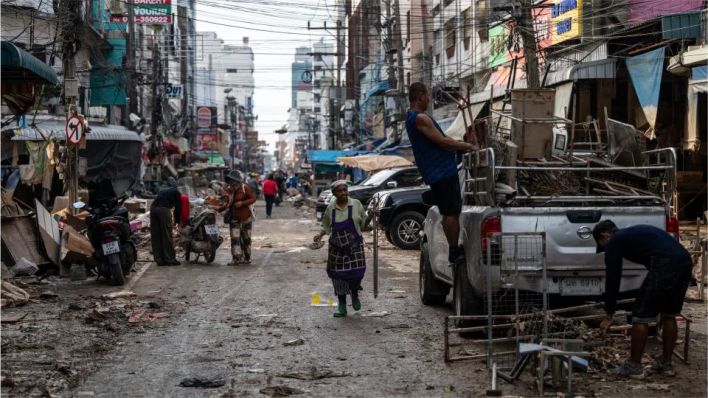
A string of intense storms, including a powerful cyclone and prolonged monsoon downpours, has unleashed catastrophic flooding and landslides across South and Southeast Asia - killing more than 1,100 people and leaving thousands missing and millions affected. The devastation, concentrated in Indonesia and Sri Lanka but also hitting Thailand and Malaysia, has prompted emergency declarations, military deployments and urgent international aid appeals. (The Guardian)
Indonesia’s disaster agency said the situation on the country’s island of Sumatra has been particularly grim. Torrential rain and a rare tropical storm choked rivers and triggered landslides that flattened villages, cutting off roads and hampering rescue efforts. Officials reported hundreds of confirmed deaths in Sumatra with many more still unaccounted for; entire communities have been evacuated and basic services remain disrupted. Humanitarian agencies warned that food and medical supplies are running short in isolated areas. (Reuters)
Sri Lanka also suffered enormous losses after Cyclone Ditwah swept across the island nation, causing flash floods and deadly landslides. The Sri Lankan government declared a state of emergency and mobilised the military to reach stranded families and distribute relief. Officials reported hundreds of fatalities and large numbers of people missing, with entire neighbourhoods underwater in the worst-hit districts. Observers say the island’s fragile infrastructure and recent economic constraints have complicated the response. (Al Jazeera)
Thailand and Malaysia reported widespread damage as well. Southern Thailand experienced severe flooding that inundated towns, forced mass evacuations and killed scores; authorities carried out water rescues as communities were cut off. Northern Malaysia recorded localized but deadly landslides and flash floods that further added to the regional toll. Across the countries, schools, businesses and banks were temporarily closed as authorities focused on life-saving operations. (AccuWeather)
Rescue operations have been hampered by damaged infrastructure and harsh weather. In many remote areas in Sumatra and parts of Sri Lanka, roads, bridges and communications were swept away, leaving helicopters and naval craft as the only viable access routes. Military units have been pressed into service to carry out search and rescue and to deliver food, drinking water and medical supplies. International organisations - including the World Health Organization and several lifesaving NGOs - are coordinating with national authorities to provide emergency medical teams and logistics support.
The human toll continues to climb. While initial counts varied by source and were being updated by local agencies, mainstream reporting in early December put the combined death toll across affected countries at more than 1,100 and, in some tallies, over 1,200 or higher as rescue crews kept finding victims in washed-away homes and river valleys. Hundreds more are listed as missing, heightening fears that the final casualty figure could rise further. (www.ndtv.com)
Climate scientists and disaster experts say the scale and intensity of these storms are consistent with a pattern of increasingly extreme weather events linked to climate change. Warmer seas and altered atmospheric circulation can intensify rainfall from cyclones and monsoon systems, producing heavier, more concentrated downpours that overwhelm river systems and drainage infrastructure. Local factors such as deforestation and poor land-use planning have aggravated the risk of landslides, particularly in mountainous and upland areas.
Governments in the region have called for international assistance. Sri Lanka’s emergency declaration included an appeal for foreign aid as its capacity to respond was constrained by economic pressures; Indonesia and Thailand also accepted help from neighbouring countries and international donors. Supplies and specialist teams are being routed to the worst-hit zones, but officials caution that logistics remain a major challenge and that immediate priorities are search-and-rescue, shelter, clean water and preventing disease outbreaks. (AP News)
Humanitarian groups warn of secondary risks: outbreaks of waterborne disease, shortages of clean drinking water, the disruption of medical services, and longer-term food insecurity after crops and fisheries were destroyed. Large numbers of displaced people - many living in temporary shelters - will need ongoing support, while rebuilding homes, schools and critical infrastructure could take months or years and require substantial investment.
As recovery efforts unfold, analysts say the disaster is a stark reminder that Asian nations must strengthen early warning systems, enforce land-use regulations, restore degraded landscapes and scale up climate adaptation measures. For now, the immediate focus remains urgent rescue and relief operations as families mourn loved ones and communities begin the long process of rebuilding. The death toll and broader humanitarian needs are likely to remain the central concern for the coming weeks.