Deadly drone and missile strikes hit Ukraine and Russia after Moscow talks
Ukraine and Russia traded deadly strikes overnight following diplomatic talks in Moscow. Drone attacks reportedly killed civilians in Ukraine’s Dnipropetrovsk and Odesa regions, while Russian air defences claim to have shot down over 100 Ukrainian drones - and a Russian oil depot caught fire in Tambov.
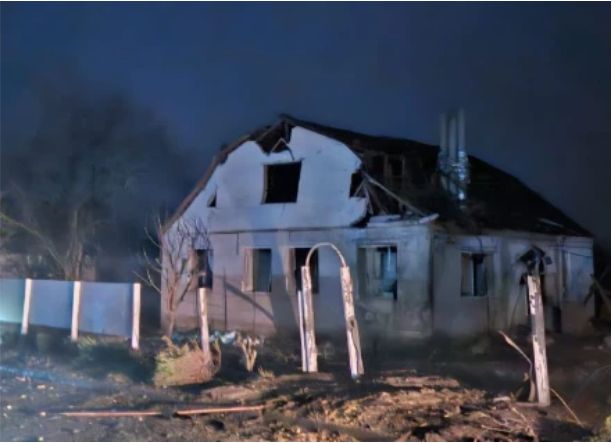
In the early hours of Wednesday, fresh violence erupted across Ukraine and Russia as both sides resumed aerial and drone strikes, days after diplomatic talks in Moscow. According to Ukrainian regional authorities, a drone attack on the town of Ternovka in the Dnipropetrovsk region killed two men and injured three others. Meanwhile, several other regions - including Odesa, Zaporizhzhia, Kharkiv and Dnipropetrovsk - reported damage to homes, civilian infrastructure, and energy facilities.
At the same time, Russia’s defence ministry said its air-defence systems intercepted and destroyed 102 Ukrainian drones overnight, and in the Tambov region, a fire broke out at a regional oil depot following what local officials described as a Ukrainian drone attack.
What happened in Ukraine - deaths reported as drones strike
The drone attack in Ternovka - part of Pavlohrad district in Dnipropetrovsk - left two men dead and three others wounded, the head of the regional military administration, Vladyslav Haivanenko, told reporters. (Apa.az)
In the southern coastal region of Odesa, a drone strike reportedly hit an energy facility, triggering a fire and leaving one employee in serious condition, said regional governor Oleg Kiper. Civilian homes and infrastructure were damaged in other regions, including Zaporizhzhia, Kharkiv, and across parts of Dnipropetrovsk as the Russian bombardment continued. (euronews)
Officials noted the strike appears to be part of a broader pattern targeting civilian and energy infrastructure - a tactic previously observed as Russia intensifies pressure ahead of winter. (The Guardian)
Russia strikes back - drones intercepted, oil depot ablaze
On the Russian side, the Ministry of Defence announced overnight that its air-defence forces shot down 102 Ukrainian drones over multiple regions.
Despite the interceptions, debris from the attack reportedly struck an oil depot in the Tambov region, setting it on fire. The blaze broke out at the Nikiforovskaya fuel depot in the village of Dmitrievka - roughly 45 km from the city of Tambov - which stores diesel and fuel supplies. Regional governor Yevgeny Pervyshov confirmed the incident and said fire services and law enforcement were deployed. (Kyiv Post)
A second depot in Russia’s Voronezh region also suffered damage; while no fire was reported there, officials confirmed multiple fuel tanks were struck.
The coincidence of Russian claims of successful interception with reports of fires has raised questions about whether downed drones or debris caused the damage - or whether some drones got through. Independent verification remains difficult.
What it means - war continues despite diplomacy
The overnight exchanges come as diplomatic efforts resurface, with Moscow recently hosting talks intended to chart a possible path toward a ceasefire or ceasefire framework. That the fighting resumed so quickly underscores how fragile any diplomatic progress remains.
For Ukrainians, the strikes - especially on civilian and energy infrastructure - deepen anxieties as winter approaches, with many towns already grappling with power outages and damaged utilities from previous waves of assaults. (euronews)
For Russia, the oil depot fire demonstrates that Ukraine remains capable of striking deep inside Russian territory, potentially targeting strategic fuel and logistics assets - even as Moscow touts its air-defence successes. The risk of escalation, miscalculation, or further retaliatory strikes looms large.
International diplomats and observers watching the Moscow talks will likely interpret the renewed attacks as an ominous signal: while negotiations may proceed, the war on the ground continues unabated.
What comes next - danger of escalation and humanitarian fallout
With both sides showing capacity and willingness to strike - and with thousands of civilians and critical infrastructure at risk - the coming days may see further escalation. Observers warn that renewed drone and missile exchanges could lead to broader attacks on energy, transport and civilian centers.
Humanitarian needs are likely to rise. In Ukraine, emergency services are already scrambling to deal with casualties, fires, and the destruction of homes. In Russia, if the depos jockey continues, fuel shortages and logistical disruptions may follow - with knock-on effects on civilian supply chains.
Meanwhile, the international community faces renewed pressure: any peace talks likely hinge on whether both parties can curb violence - but the overnight strikes suggest that achieving a sustainable ceasefire remains a distant prospect.
Heads-up for media and policy watchers
• Expect official casualty and damage updates from regional Ukrainian authorities (Dnipropetrovsk, Odesa, Zaporizhzhia, Kharkiv) throughout the day.
• Kremlin and Russian regional administrations are likely to provide daily summaries of air-defence interceptions and any further incidents inside Russian territory.
• Watch for external reactions - from Western governments and international organizations - especially if civilian infrastructure or oil depots are repeatedly hit.
• Analysts will be scrutinizing whether the renewed violence derails or undermines the recent diplomatic dialogue out of Moscow.