Davis Ofor (Clarus) Dies at 85: Life, Legacy and the Golden Era of Nigerian Television
Veteran Nigerian actor Davis Ofor, popularly known as Clarus in The New Masquerade, dies at 85. A deep look at his life, career, and enduring legacy as a pioneer of Nigerian TV comedy.
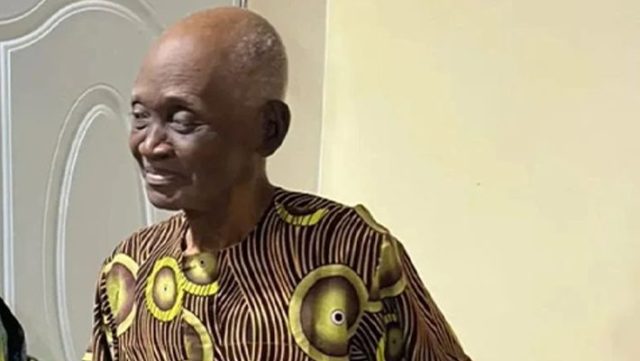
Nigeria’s entertainment industry has lost one of its most iconic pioneers with the passing of Davis Ofor, widely known as “Clarus.” The veteran actor, who rose to national fame in the 1980s sitcom The New Masquerade, died in April 2026 at the age of 85. (The Eagle Online)
For millions of Nigerians who grew up in the golden era of television, Clarus was more than a character - he was a cultural symbol, a comedic genius, and a defining face of early Nigerian broadcasting.
The Death of a Legend
Reports confirmed that Davis Ofor passed away on April 7, 2026, marking the end of an era for classic Nigerian television. In his later years, the actor battled health challenges, including blindness caused by glaucoma. He had largely stepped away from acting and dedicated his life to religious service as a cleric.
His death has triggered an outpouring of tributes from fans, colleagues, and cultural commentators who see his passing as the fading of a generation that built Nigeria’s entertainment identity.
The Rise of Clarus: A Star Is Born
Davis Ofor became a household name through his role as “Clarus” in The New Masquerade, one of Nigeria’s most beloved sitcoms of the 1970s through the early 1990s.
The show, aired on the Nigerian Television Authority (NTA), was a cultural phenomenon that brought families together every week. It featured unforgettable characters such as Chief Zebrudaya, Ovularia, and Gringory - each contributing to a uniquely Nigerian comedic style.
Clarus, portrayed by Ofor, stood out as the witty and often mischievous houseboy. His comedic timing, expressive facial gestures, and ability to deliver humor with subtlety made him a fan favorite. (newsplatformng.com)
The Clarus-Gringory Dynamic
One of the most defining aspects of Ofor’s career was his on-screen partnership with the character “Gringory.” Together, they formed a comedic duo that became central to the show’s success.
Their interactions - often built on satire, class dynamics, and everyday Nigerian struggles - resonated deeply with audiences. In many ways, Clarus represented the voice of the ordinary Nigerian: clever, observant, and resilient in the face of authority.
A Pioneer of Nigerian Television
To understand Ofor’s impact, one must look beyond his role and examine the era he helped shape.
During the 1980s, Nigerian television was still evolving. There was no Nollywood as we know it today. Productions like The New Masquerade laid the foundation for local storytelling, indigenous humor, and mass entertainment on national TV
Alongside shows like The Village Headmaster, the sitcom defined what it meant to create content for Nigerian audiences. (ThisDayLive)
Actors like Davis Ofor were not just performers - they were pioneers building an industry from scratch.
Beyond the Screen: A Life of Service
In his later years, Ofor transitioned away from acting and embraced a spiritual path. He became known as Reverend Davis Ofor, serving in the Aetherius Church.
This shift reflected a quieter phase of life, away from the spotlight that once defined him. Yet, even in retirement, his legacy continued to resonate, with younger generations discovering his work through reruns and online clips.
Health Struggles and Final Years
Like many veterans of his era, Ofor faced health and financial challenges later in life. Reports indicate he suffered from glaucoma, which led to blindness, and other age-related conditions.
His story mirrors a broader issue within Nigeria’s creative industry - the lack of structured support systems for aging entertainers. Many pioneers who shaped the industry often find themselves battling illness and financial hardship without adequate institutional backing.
The Golden Era He Represented
The death of Davis Ofor is not just the loss of an individual - it is the gradual disappearance of an era. The generation of actors from The New Masquerade represents the birth of Nigerian television comedy, a time when storytelling was deeply rooted in culture, and a period of shared national viewing experiences
Unlike today’s fragmented digital landscape, shows like The New Masquerade united Nigerians across regions, languages, and social classes.
Influence on Modern Nigerian Comedy
Ofor’s influence can still be seen in contemporary Nigerian comedy and film. His style-character-driven humor, exaggerated expressions, and relatable storytelling has inspired modern comedians and actors.
Many of today’s skit makers and Nollywood stars unknowingly borrow from the foundation laid by pioneers like Clarus.
What His Death Means for Nollywood
The passing of Davis Ofor raises important questions about the Nigerian film and television industry:
1. Preservation of Legacy: Are enough efforts being made to archive and preserve classic Nigerian productions?
2. Welfare of Veteran Actors: How can the industry ensure that pioneers are supported in their later years?
3. Cultural Continuity: Will future generations fully understand and appreciate the origins of Nigerian entertainment?
Tributes and Public Reaction
Following news of his death, social media platforms were flooded with nostalgic tributes. Many Nigerians shared memories of watching The New Masquerade with family, recalling Clarus as one of the characters that brought laughter into their homes.
For older audiences, his passing is deeply personal - a reminder of childhood, simpler times, and the early days of Nigerian television.
The End of an Era
The death of Davis Ofor, aka Clarus, marks the closing chapter of a remarkable life and a defining period in Nigeria’s entertainment history. He was more than an actor - he was a storyteller, a cultural icon, and a pioneer who helped shape the identity of Nigerian television.
As the industry continues to evolve, his legacy serves as both inspiration and reminder:
that the foundations of today’s success were built by those who came before.
In remembering Clarus, Nigeria is not just mourning a man - it is honoring an era that gave the nation its first shared laughter on screen.