Dangote Pledges 25% of Wealth to Foundation, Launches N1 Trillion Education Initiative: A New Legacy for Africa’s Richest
Aliko Dangote commits 25% of his wealth to philanthropic work and unveils a N1 trillion education fund, offering lessons for wealthy Africans on lasting impact.
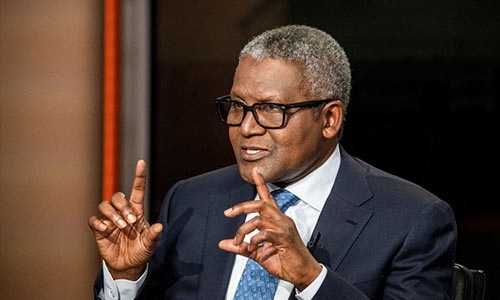
Africa’s richest man, industrialist Aliko Dangote, has announced a landmark philanthropic commitment: in the event of his death, 25 per cent of his personal wealth will be permanently dedicated to the Aliko Dangote Foundation to support education and social development across Nigeria and the continent. (Media Agenda)
The pledge was made during the launch of a comprehensive education initiative in Lagos, where Dangote unveiled a N100 billion annual education fund - a programme expected to total more than N1 trillion ($688 million) over the next decade. The plan targets improved access to quality education for millions of Nigerian students, with early benefits for science, technology, engineering, and mathematics (STEM) fields. (allAfrica.com)
Speaking at the event, Dangote emphasised his belief that sustainable development begins with investing in human capital. “We must tackle the barriers that force talented young Nigerians out of classrooms,” he said, drawing a direct connection between the nation’s future prosperity and its youth’s educational attainment.
A Bold and Structured Vision for Education
The new programme is designed to support roughly 45,000 students annually at inception beginning in 2026, scaling up to 155,000 beneficiaries yearly by its fourth year, and maintaining that level for the duration of the decade.
Key components of the initiative include:
Scholarships for STEM undergraduates and vocational trainees across public universities and polytechnics. (Diplomatic Watch)
Financial support for secondary school students, with emphasis on girls’ education.
Teacher development and educational infrastructure improvements to strengthen learning environments.
An independent steering committee of education leaders and experts has been constituted to ensure accountability and monitor progress. Government officials welcomed the move as a critical enhancement to national human-capital strategies, with Vice-President Kashim Shettima lauding the programme’s alignment with the Federal Government’s Renewed Hope Agenda. (ThisDayLive)
Legacy Beyond Business
The commitment to allocate a quarter of his wealth places Dangote among a new generation of African philanthropists who see their influence extending beyond industrial and commercial achievements into long-term social transformation.
Indeed, the Aliko Dangote Foundation already has a track record of philanthropic activity - ranging from food security interventions and emergency relief to scholarships and infrastructure support. (Daily African Billionaire News)
By embedding his philanthropic vision into legally binding arrangements that activate upon his passing, Dangote is institutionalizing his commitment to social impact, rather than leaving charitable giving to chance or posthumous interpretation. (Media Agenda)
Impact on Nigeria and Broader Africa
This initiative arrives against the backdrop of Nigeria’s ongoing challenges with educational access and quality. High school dropout rates, especially among girls, and underfunded tertiary institutions have long hindered the country’s human capital development. The Dangote programme - one of the largest private education investments in Nigeria’s history - could alter this trajectory significantly if implemented with transparency and efficiency.
Experts say that well-targeted education support can boost national productivity, reduce unemployment, and ignite innovation - impacts that resonate well beyond classrooms.
Lessons for Wealthy Africans and Global Philanthropy
Dangote’s pledge offers multiple lessons for affluent individuals in Nigeria, Africa, and the wider developing world:
1. Legacy Planning Beyond Wealth Accumulation
By structurally committing a portion of his estate to philanthropy, Dangote challenges a long-standing perception that wealth is primarily an inheritance for family heirs. Instead, he positions part of his estate as a public good that contributes to long-term national and human development.
2. Institutionalizing Philanthropy
The formalization of giving - with governance structures and monitoring mechanisms - highlights the importance of sustainable and accountable giving rather than ad hoc benevolence.
3. Focusing on Human Capital as Economic Infrastructure
By rooting investment in education, Dangote underscores a global lesson: economic growth must be accompanied by investments in people. A better-educated workforce has multiplier effects across sectors and accelerates poverty reduction.
4. Inspiring a Culture of Giving Back
His example may encourage other African business leaders to align wealth with societal impact goals, reinforcing the idea that those who benefit most from society have a role in advancing it.
Critiques and Considerations
While widely praised, the initiative will likely draw scrutiny over execution and measurement of impact. Observers warn that accountability, transparency, and collaboration with government and civil society will be crucial to avoid duplication, misallocation, or unintended exclusion of vulnerable groups.
There is also a broader question about ensuring that private philanthropy complements rather than substitutes public investment in education and social services - an ongoing debate among development economists.
Conclusion
Aliko Dangote’s pledge to allocate 25 per cent of his personal wealth to the Aliko Dangote Foundation and the launch of a historic education fund mark a significant moment in Africa’s philanthropic landscape. Beyond the immediate benefits to millions of learners, his actions set a precedent for responsible wealth stewardship across the continent. If implemented with integrity and strategic foresight, this initiative could transform educational outcomes in Nigeria while inspiring a broader culture of giving and investment in human potential across Africa.