Cultural Shift as China Bans Storage of Cremated Remains in “Bone Ash Apartments”
China moves to ban the storage of cremated remains in so-called “bone ash apartments,” raising questions about urban space, funeral traditions, and social policy. This analysis explores the reasons and implications. Includes source links.
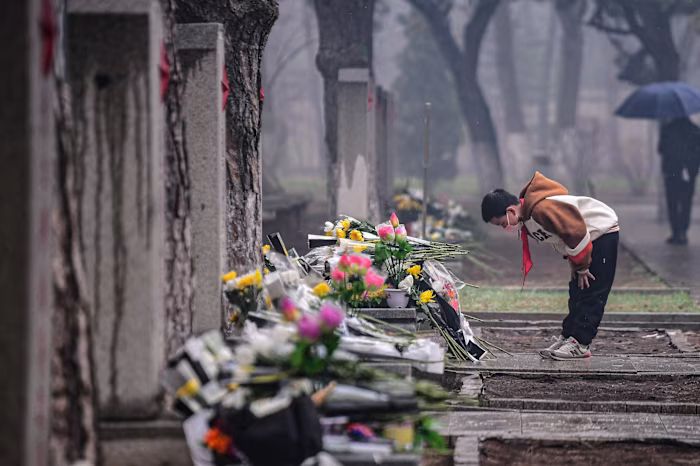
In a move that has sparked widespread debate, China has introduced stricter regulations banning the storage of cremated remains in residential properties commonly referred to as “bone ash apartments.” The policy reflects a growing concern among authorities about the commercialization of burial practices, urban housing misuse, and evolving cultural norms surrounding death and remembrance.
The ban comes amid increasing reports that some property owners and businesses have been converting apartments into informal columbariums, storing urns containing cremated remains in high-density urban areas where land for traditional burial is scarce and expensive.
What Are “Bone Ash Apartments”?
“Bone ash apartments” are residential units repurposed to store cremated remains, often arranged in shelves or compartments resembling traditional columbariums. In cities where burial plots are limited and costly, these apartments have emerged as an alternative for families seeking more affordable or accessible options for honoring their deceased relatives.
The practice has been particularly visible in densely populated urban centers, where rising real estate prices have made cemetery space increasingly unaffordable. Some entrepreneurs have taken advantage of this gap by offering storage services within residential buildings, effectively turning housing units into private memorial spaces.
However, this trend has raised significant concerns among regulators, residents, and cultural observers.
Why China Is Cracking Down
The Chinese government’s decision to ban the practice is rooted in a combination of regulatory, social, and cultural considerations.
One major concern is the misuse of residential property. Apartments are intended for living, not for storing human remains. Authorities argue that converting housing units into de facto burial spaces violates zoning laws and undermines urban planning objectives.
There are also public health and safety considerations. While cremated remains are generally not hazardous, the clustering of urns in residential buildings has raised questions about sanitation, fire safety, and building code compliance.
Equally important is the issue of commercialization. Officials have expressed concern that some operators are exploiting grieving families by charging high fees for storage services, effectively turning death into a profit-driven industry within the housing market.
The ban is therefore part of a broader effort to regulate funeral practices and prevent what authorities see as the inappropriate commodification of memorial spaces.
Cultural Tensions: Tradition vs Modern Reality
China’s approach to death and burial is deeply rooted in tradition. Ancestor worship and the maintenance of burial sites play a central role in cultural and familial practices. For many families, having a dedicated place to honor deceased relatives is not just a preference but a moral obligation.
However, rapid urbanization has made traditional burials increasingly difficult. Cities are running out of land, and the cost of cemetery plots has soared. In some areas, prices rival those of residential real estate, placing them out of reach for many families.
This tension between tradition and modern urban realities has created space for alternatives like bone ash apartments. For some, these apartments offer a practical solution that allows families to keep their loved ones close while avoiding the high costs of formal burial sites.
The government’s ban, therefore, is not just a regulatory measure, it is also a statement about how cultural practices should evolve in response to changing conditions.
Urbanization and the Economics of Death
At the heart of the issue is China’s rapid urbanization. As millions of people move into cities, the demand for housing has surged, placing immense pressure on available space. Land is a finite resource, and authorities are increasingly focused on ensuring that it is used efficiently.
The emergence of bone ash apartments highlights the unintended consequences of this pressure. When traditional burials become unaffordable or inaccessible, alternative markets emerge - often operating in legally gray areas.
By banning these practices, the government is attempting to reassert control over both the housing market and the funeral industry. The move aligns with broader efforts to regulate real estate speculation and ensure that residential properties are used for their intended purpose.
Public Reaction and Social Concerns
The ban has elicited mixed reactions from the public. Some residents have welcomed the decision, citing concerns about living in buildings that house large numbers of cremated remains. For them, the issue is not just regulatory but also psychological, as the presence of such spaces can affect perceptions of safety and comfort.
Others, however, view the policy as insensitive to the needs of families struggling with the high cost of traditional burials. Critics argue that without affordable alternatives, the ban could place additional financial and emotional burdens on grieving families.
Social media discussions have reflected this divide, with users debating the balance between regulation and cultural sensitivity.
Implications for the Funeral Industry
The crackdown is likely to have significant implications for China’s funeral industry. By restricting informal storage practices, the government is effectively channeling demand toward officially sanctioned facilities, such as public cemeteries and licensed columbariums.
This could lead to increased investment in these sectors, as authorities seek to expand capacity and provide more affordable options. At the same time, it may also drive innovation, with new approaches to memorialization emerging in response to changing regulations.
For businesses that previously operated bone ash apartments, the ban represents a major disruption. Many will need to either shut down or transition to compliant models.
A Broader Policy Direction
The ban on bone ash apartments is part of a wider trend in China’s governance approach, which emphasizes regulation, order, and the alignment of social practices with state priorities.
In recent years, authorities have taken steps to address issues ranging from real estate speculation to cultural practices, often intending to maintain social stability and ensure equitable access to resources.
This policy fits within that framework, reflecting a desire to balance tradition with modern governance.
Conclusion: Navigating Change in a Rapidly Urbanizing Society
China’s decision to ban the storage of cremated remains in residential apartments underscores the complex interplay between culture, economics, and urban development.
On one hand, the policy addresses legitimate concerns about housing misuse and commercialization. On the other, it highlights the challenges of adapting deeply rooted cultural practices to the realities of modern urban life.
As China continues to urbanize, similar tensions are likely to emerge in other areas, requiring careful balancing between tradition and innovation.
The success of this policy will ultimately depend on whether authorities can provide viable alternatives that meet both regulatory standards and the cultural needs of families. Without such solutions, the underlying issues that gave rise to bone ash apartments may persist, even as the practice itself is pushed out of the formal system.