Cuba to Release Over 2,000 Prisoners Amid Intensifying U.S. Pressure: Humanitarian Gesture or Strategic Concession?
Cuba announces the release of more than 2,000 prisoners as U.S. sanctions and an oil blockade deepen the island’s crisis. Explore the political, economic, and diplomatic implications.
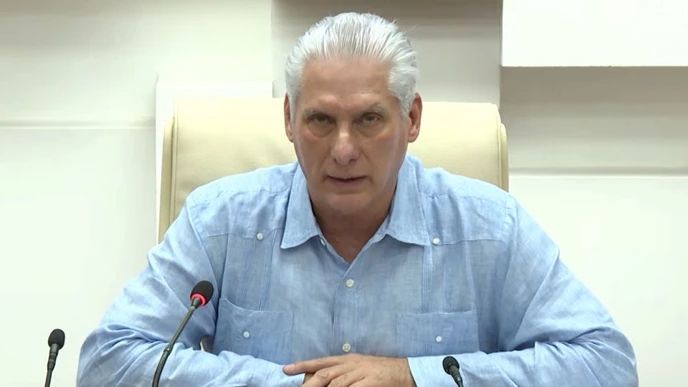
Cuba’s decision to release more than 2,000 prisoners, specifically 2,010 inmates, marks one of the largest amnesties on the island in recent years. Officially described as a “humanitarian and sovereign gesture,” the move comes at a moment of intense geopolitical pressure, raising critical questions about whether this is a goodwill act or a calculated response to mounting external and internal crises. (Reuters)
The Cuban government has stated that those eligible for release were selected based on criteria such as good conduct, time served, and health conditions. The beneficiaries reportedly include women, youth, elderly inmates, and foreign nationals, while individuals convicted of serious or violent crimes have been excluded. (AP News)
Yet beyond the humanitarian framing lies a more complex reality shaped by economic collapse, diplomatic maneuvering, and escalating U.S. pressure.
The Role of U.S. Pressure and the Oil Blockade
At the heart of this development is a renewed and aggressive U.S. policy toward Cuba. Under President Donald Trump, Washington has implemented what analysts describe as a “de facto oil blockade,” severely restricting Cuba’s access to fuel imports. (The Washington Post)
This blockade has had devastating consequences. Cuba, heavily dependent on imported oil, particularly from Venezuela, has faced widespread blackouts, transportation disruptions, and industrial slowdowns. (Wikipedia) The resulting energy crisis has deepened an already fragile economy, exacerbating shortages of food, medicine, and basic services.
The prisoner release, therefore, cannot be viewed in isolation. It coincides with ongoing diplomatic contacts between Havana and Washington, suggesting that it may be part of a broader negotiation strategy. While Cuban authorities deny that U.S. pressure directly influenced the decision, the timing strongly implies a connection.
Humanitarian Gesture or Strategic Diplomacy?
Cuba has a history of using prisoner releases as diplomatic tools. Since 2011, the government has carried out multiple amnesties, often tied to major political or religious events, freeing more than 11,000 prisoners.
This latest release aligns with Holy Week, reinforcing the government’s humanitarian narrative. However, analysts point to a pattern: such gestures frequently coincide with moments of international negotiation or pressure. In early 2026, Cuba had already released a smaller group of prisoners as a goodwill gesture linked to Vatican-mediated dialogue.
The involvement of the Vatican and the symbolic timing suggest that Cuba is attempting to project a softer image internationally while maintaining control domestically.
The Political Prisoner Question
One of the most contentious aspects of the announcement is the ambiguity surrounding political prisoners. Human rights organizations estimate that Cuba holds over 1,200 political detainees, many arrested following the 2021 anti-government protests.
The Cuban government, however, does not officially recognize the existence of political prisoners, labeling such individuals as criminals or agents of foreign influence. There has been no clear indication that this latest release will include high-profile dissidents or activists.
If political prisoners are excluded, the move risks being dismissed internationally as cosmetic rather than substantive. Conversely, even a limited inclusion could signal a shift in Cuba’s approach to dissent under external pressure.
Domestic Pressures: Economic Collapse and Social Strain
Internally, Cuba is grappling with what experts describe as a “polycrisis” - a convergence of economic collapse, demographic decline, and social unrest. (The Guardian)
Mass emigration has drained the country of skilled labor, while inflation and shortages have eroded living standards. Public dissatisfaction has grown, particularly among younger Cubans, many of whom see little future on the island.
In this context, releasing prisoners may serve a dual purpose: easing overcrowded prisons and reducing potential flashpoints for unrest. It also allows the government to redirect limited resources amid a deepening economic crisis.
Geopolitical Signaling and Negotiation Leverage
From a geopolitical standpoint, the release of prisoners can be interpreted as a signal to Washington and the broader international community. It suggests that Havana is willing to make concessions at least symbolically in exchange for potential relief from sanctions.
Recent developments underscore this dynamic. The U.S. has shown mixed signals, at times tightening pressure while also allowing limited exceptions, such as permitting a Russian oil tanker to dock in Cuba.
This dual-track approach pressure, combined with selective flexibility, creates space for negotiation, with prisoner releases serving as bargaining chips.
Implications for U.S.-Cuba Relations
The immediate impact of the prisoner release on U.S.-Cuba relations remains uncertain. While it could open the door to renewed dialogue, significant obstacles persist.
Washington has consistently tied any easing of sanctions to improvements in human rights and political freedoms. Without clear evidence that political prisoners are included in the release, the move may fall short of U.S. expectations.
At the same time, the humanitarian optics of freeing over 2,000 inmates could generate international goodwill, potentially softening criticism of Cuba and complicating U.S. efforts to maintain a hardline stance.
Conclusion: A Gesture to Layers of Meaning
Cuba’s decision to release more than 2,000 prisoners is a multifaceted development that reflects the intersection of humanitarian considerations, domestic pressures, and geopolitical strategy.
On the surface, it is a significant humanitarian act that could improve conditions for thousands of individuals and their families. Beneath that, however, lies a calculated response to an intensifying crisis - one shaped by U.S. sanctions, economic collapse, and the need for diplomatic maneuvering.
Whether this move leads to meaningful change either in Cuba’s internal political landscape or in its relationship with the United States will depend largely on what follows: further releases, policy reforms, or renewed confrontation.
For now, the mass pardon stands as both a symptom of Cuba’s संकट and a potential opening in one of the world’s most enduring geopolitical standoffs.