Cuba on the Brink as Trump Issues Ultimatum
Trump’s warning to Havana cuts off Venezuelan lifelines, deepens Cuba’s economic crisis, and raises the stakes for ordinary Cubans facing shortages and instability.
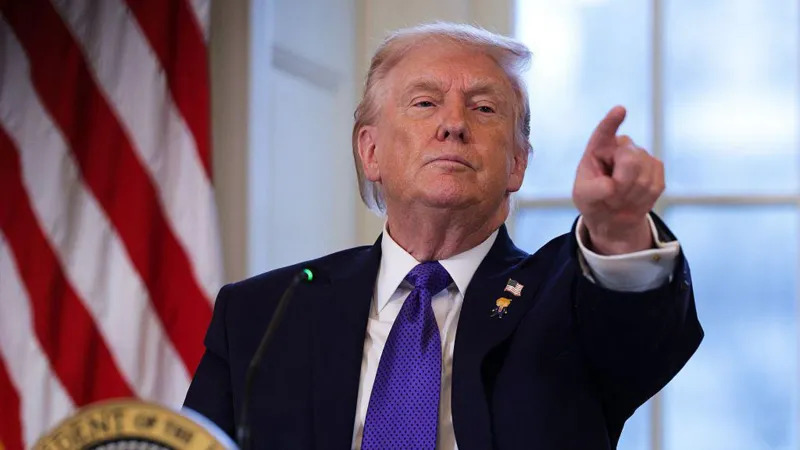
In January 2026, U.S. President Donald Trump issued a stark ultimatum to Cuba: “make a deal, before it is too late,” warning that Havana’s access to Venezuelan oil and financial support would be stopped entirely. This escalation follows a U.S. military operation that captured Venezuelan President Nicolás Maduro and has already reshaped geopolitical alignments in Latin America. The message, delivered on social media and echoed by U.S. officials, signals a dramatic shift in U.S.–Cuba relations with profound social and economic implications for the Cuban people.
Trump’s Ultimatum: The Message and the Context
Trump’s announcement made clear that Cuba’s historical lifeline discounted oil and monetary support from Venezuela, is to be severed permanently unless Havana enters direct negotiations with Washington. In a string of posts, he declared,
“THERE WILL BE NO MORE OIL OR MONEY GOING TO CUBA - ZERO! ... I strongly suggest they make a deal, BEFORE IT IS TOO LATE.”
The statement came amid a dramatic U.S. military operation in Venezuela that resulted in the capture of Mr. Maduro and pushed Washington to seize control of Venezuelan oil shipments. Cuba’s government reported that 32 of its nationals — part of its security apparatus supporting Maduro — were killed during the attack, which Havana condemned as an act of aggression.
This combination of military action and economic pressure represents one of the most direct challenges to the Cuban government in decades. It is rooted in a longer rivalry: the United States has maintained economic sanctions on Cuba for decades, and Cuba has historically relied on alliances to survive these pressures.
Impacts on Cuban Society
1. Deepening Energy and Economic Crisis
Cuba’s economy is already fragile, and the loss of Venezuelan oil, a key source of fuel for electricity, transport and industry threatens to plunge the island into deeper hardship. Before the U.S. operation and oil cutoff, Cuba imported substantial amounts of Venezuelan crude at subsidised rates to power its economy. With that lifeline cut, the island is facing widespread shortages and severe blackouts that affect basic services and daily life.
Across Cuba, residents are already experiencing long lines at gas stations and supermarkets, and energy shortages have disrupted everything from water supply to food refrigeration. This reality, even before Trump’s ultimatum fully bites, suggests that the loss of Venezuelan support could have cascading effects on public services and basic survival.
For ordinary Cubans, the immediate concerns are material: electricity, fuel for transport, food supplies, and access to medicine. If oil supplies dwindle further without alternative sources, energy rationing could intensify, affecting everything from hospitals to schools. These conditions would strain already limited government resources and increase public frustration.
2. Rising Unemployment and Poverty Risks
Cuba’s economy relies heavily on public employment, tourism, and state-owned enterprises. Prolonged shortages of oil and capital reduce economic activity, shrink government revenues, and put jobs at risk. Tourism, a major source of foreign exchange is especially vulnerable in a context of power outages and widespread discontent.
Reduced income sources typically hit the most vulnerable hardest: low-income families, the elderly and those in rural provinces. For many, remittances from relatives abroad provide crucial support; however, if the broader economy falters, even diaspora networks could struggle to compensate for domestic shortages.
3. Social Stability and Public Sentiment
The Cuban government faces intensifying pressure not only from Washington but from within. Public frustration with shortages and hardship has periodically sparked protests in recent years, and the prospect of widespread economic distress could fuel larger and more sustained unrest.
Trump’s ultimatum framed as a deadline is likely to reinforce a sense of crisis among the population, even among those who oppose Cuba’s government. Citizens may feel trapped between economic collapse and political repression, with few avenues for redress.
Historically, periods of severe hardship in Cuba have led to outflows of people seeking better opportunities abroad. The current situation could accelerate emigration, particularly of skilled and younger workers, worsening long-term prospects for economic recovery.
Political Repercussions and Governance Pressures
4. Cuban Government Response
Havana, led by President Miguel Díaz-Canel, has denounced U.S. actions as “blackmail” and “aggression,” emphasising its right to seek fuel and trade partnerships independently. The government is also taking symbolic steps to rally national unity, such as military exercises framed as demonstrations of strength.
However, internal criticism and fatigue with longstanding economic hardship may complicate the government’s ability to maintain legitimacy. Facing both external pressure and domestic dissatisfaction, Havana risks a political legitimacy crisis if economic hardships worsen without relief or reform.
5. Regional and International Ramifications
Trump’s ultimatum also reverberates across Latin America and the Caribbean. Cuba has long been allied with left-leaning governments and movements in the region, and a U.S. push to isolate Havana economically could shift diplomatic calculations among neighboring states. Some governments may view Cuba’s vulnerability as a cautionary lesson, while others could deepen diplomatic ties to resist what they see as U.S. overreach.
Moreover, the U.S. move is interpreted in the wider context of President Trump’s foreign policy posture, which prioritises pressure over engagement with adversarial states. This approach may complicate multilateral efforts to address security, migration, and economic challenges that affect millions across the hemisphere.
Daily Life in Cuba: An Economic and Social Stress Test
6. Rising Costs and Basic Necessities
With Venezuelan oil and financial inflows halted, the cost of fuel and essentials is anticipated to rise sharply. Fuel shortages translate into higher transport costs, which in turn spur inflation on food and goods. Cubans, many of whom live on modest salaries could see their purchasing power erode further, intensifying daily hardship.
7. Electricity Reliability and Public Services
Without reliable fuel, electricity generation faces growing interruptions. Blackouts disrupt communications, healthcare delivery, water pumping, and refrigeration. For families and businesses alike, these disruptions compound existing challenges, pushing basic survival concerns to the forefront.
8. Migration Pressures
Economic hardship often fuels migration. Younger Cubans, already contending with limited opportunities, may choose to leave the island if conditions deteriorate sharply. Historical patterns show that economic collapses often trigger waves of emigration, potentially reshaping Cuban demographics and creating humanitarian concerns in neighboring countries.
Conclusion: A Nation at a Crossroads
Trump’s ultimatum to Cuba marks a pivotal moment in U.S.–Cuba relations—one with immediate and long-term implications for Cuban society. By cutting off Venezuelan support and pushing Havana to negotiate under threat, the United States has introduced new pressures into an already fraught economic and political landscape.
For ordinary Cubans, the threats are tangible: growing shortages, rising costs, unstable electricity, fewer jobs, and the specter of deeper social unrest. For the Cuban state, the challenge is balancing national sovereignty with economic survival, all while navigating a region in flux.
Whether Havana can withstand these pressures without widespread social upheaval remains uncertain. But for Cubans living through this moment, the warning that time may be running out is not merely diplomatic rhetoric it is a harsh reminder of how geopolitical shifts can cascade into daily hardship for ordinary people.
Sources:
Reuters: Trump says Cuba will no longer receive Venezuelan oil
ITV News: Trump urges Cuba to make a deal before it’s too late
Business Today: Trump escalates pressure on Cuba after Venezuela operation