Crystal Palace Urged to Retire Bald Eagle Mascot Phoenix Over Animal Welfare Concerns
PETA has urged Crystal Palace to retire its live bald eagle mascot, Phoenix, citing animal welfare and spectator safety concerns at Selhurst Park.
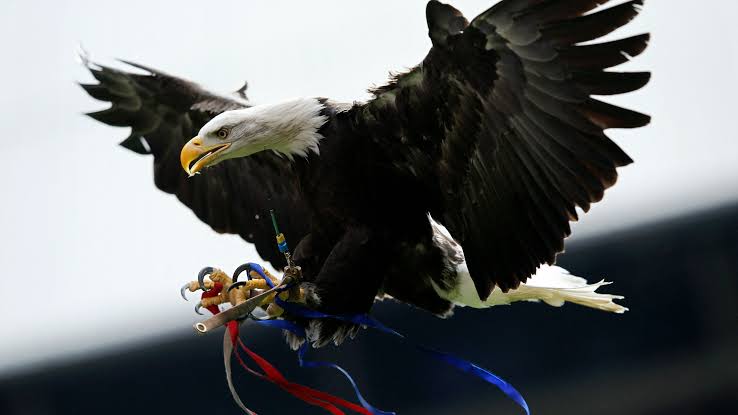
Crystal Palace have been urged to retire their live bald eagle mascot, Phoenix, after animal rights organisation People for the Ethical Treatment of Animals (PETA) raised concerns about the bird’s welfare and the potential risks associated with using live animals during football matches.
In a letter to Crystal Palace chief executive Sharon Lacey, PETA called on the English Premier League club to end Phoenix’s appearances at Selhurst Park and commit to never using live animal mascots again.
The organisation argues that the noise, bright lights and large crowds at football stadiums can cause birds to become frightened, disoriented and stressed, potentially endangering both the animals and spectators.
The appeal, reported by several British media outlets on October 20 and 21, 2026, has renewed debate over the use of live wildlife as sporting mascots and whether traditional matchday entertainment should give greater consideration to animal welfare.
Crystal Palace, popularly known as the Eagles, has used a live eagle as part of its matchday identity since 2010. Phoenix succeeded the previous mascot, Kayla, and made her debut before a match against West Ham United in August 2024.
PETA wants the club to replace the live bird with its existing human mascot, Pete the Eagle, allowing the team to preserve its distinctive identity without involving a live wild animal in stadium entertainment.
PETA says football stadiums are unsuitable for live birds
PETA’s campaign centres on the argument that a football stadium is not an appropriate environment for a wild bird used for entertainment.
According to the organisation, the combination of loud crowd reactions, stadium announcements, bright lighting and unpredictable activity can expose birds to conditions that differ significantly from their natural surroundings.
PETA says these conditions may cause fear and disorientation, while the demands of performing in front of spectators can interfere with an animal’s natural behaviours.
Dr Carys Bennett, PETA’s senior corporate projects manager, argued that bald eagles are widely recognised as symbols of freedom and should not be used merely as entertainment props.
The organisation also noted that Crystal Palace already has Pete the Eagle, a human performer who entertains supporters during matches.
PETA believes the club could maintain its matchday atmosphere and longstanding association with eagles without requiring Phoenix to appear before thousands of spectators.
The campaign is part of a wider animal welfare debate about whether wild animals should be used in public performances, sporting events and other entertainment activities. (The Guardian)
Previous eagle mascot Kayla died in 2020
Crystal Palace’s tradition of using a live eagle dates back to 2010, when the club introduced Kayla as its matchday mascot.
Kayla became a familiar presence at Selhurst Park, where she appeared before matches and participated in displays designed to excite supporters.
Her appearances helped reinforce the club’s nickname, the Eagles, which dates to 1973, when the team adopted the identity under then-manager Malcolm Allison.
Kayla served for approximately a decade before dying in 2020.
Phoenix subsequently took over the role, making her public debut in August 2024 ahead of Crystal Palace’s match against West Ham United.
The bird was introduced to supporters in the fan zone and appeared with her handler during the matchday programme.
Phoenix is associated with Eagle Heights Wildlife Foundation in Kent, where she is housed and cared for.
However, reports indicate that her appearances at Selhurst Park have been limited, with plans for her to fly across the pitch reportedly abandoned.
The situation has prompted renewed questions about whether a live eagle needs to participate in stadium activities for the club to retain its traditional identity.
PETA argues that the history of the mascot does not justify continuing a practice it considers potentially harmful to animals. (The Independent)
Past incidents cited in animal welfare campaign
In making its case, PETA referred to incidents involving live birds used at sporting events, including reports of birds being injured or killed after colliding with walls, windows or footballs.
The organisation also cited an incident involving a falcon that reportedly landed on a spectator’s head and embedded its talons in the person’s scalp.
Another incident involved Kayla, Crystal Palace’s previous eagle mascot.
During a League Cup fixture against south London rivals Charlton Athletic in September 2015, a supporter was involved in an incident in which he attempted to punch the bird. The supporter was subsequently found guilty of the offence in 2017, according to reports.
The incident occurred during a match marked by crowd trouble and has been cited by animal welfare campaigners as an example of the risks live animals may face in football environments.
PETA argues that such cases demonstrate how the unpredictable behaviour of spectators and the physical layout of stadiums can create dangers for animals.
However, the incidents cited by the organisation do not establish that Phoenix herself has suffered injury or distress at Selhurst Park. The campaign is based on broader concerns about the potential consequences of exposing live birds to these environments.
The distinction is important as the debate continues over how clubs can protect animals while maintaining sporting traditions. (BBC Sport)
Crystal Palace yet to respond publicly
As of October 21, 2026, reports on PETA’s appeal indicated that Crystal Palace had been contacted for comment, but no formal response to the demand had been reported in the cited coverage.
The club therefore has not publicly confirmed whether it intends to retire Phoenix or discontinue the use of live animal mascots.
The wildlife foundation associated with Phoenix also had not responded to requests for comment, according to The Guardian.
A decision by the club would involve balancing its long-established matchday traditions with concerns raised by animal welfare campaigners.
For supporters, the eagle is closely connected to the club’s identity and history. For PETA, that symbolism can be preserved without requiring a live bird to participate in stadium entertainment.
The debate is not limited to Crystal Palace. Other football clubs also use live birds as part of pre-match ceremonies, making the discussion relevant to sporting organisations beyond England.
Whether the campaign leads to a change at Selhurst Park may depend on the club’s assessment of animal welfare arrangements, the role of the mascot and alternative ways to engage supporters.
Human mascots offer an alternative
PETA has proposed that Crystal Palace rely on Pete the Eagle, its existing human mascot, rather than continuing live-bird appearances.
Human mascots can interact with supporters, participate in choreographed displays and entertain children without exposing wildlife to the same performance conditions.
Clubs can also use digital displays, large-scale costumes and other visual effects to celebrate their identity.
These alternatives would allow Crystal Palace to preserve its association with the eagle while responding to concerns about live-animal entertainment.
The wider issue is how sporting organisations can respect their traditions while adapting to evolving expectations surrounding animal welfare.
For campaigners, retiring Phoenix from matchday duties would be a practical step towards ending the use of live wild animals as entertainment props.
For the club, any decision would need to address how its longstanding eagle tradition can continue in a form acceptable to supporters and animal welfare advocates.
Conclusion
PETA’s call for Crystal Palace to retire Phoenix has placed the use of live animal mascots under renewed scrutiny.
The organisation argues that football stadiums can expose birds to unnecessary stress and potential injury, while pointing to the club’s existing human mascot as an alternative.
Crystal Palace has yet to announce a decision in response to the appeal, leaving the future of Phoenix’s matchday role uncertain.
The debate ultimately raises a broader question for football: can clubs preserve their traditions and entertain supporters without requiring live wild animals to participate in potentially stressful public displays?
For now, PETA is urging Crystal Palace to retire Phoenix permanently and ensure that future matchday entertainment relies on alternatives that do not involve live animal mascots.