Court Jails Illegal Pharmacy Operators as Pharmaceutical Society of Nigeria Warns of Rising Fake Drug Crisis
A Nigerian court has sentenced illegal pharmacy operators to prison while the Pharmaceutical Society of Nigeria (PSN) raises alarm over the growing fake drug crisis threatening public health nationwide.
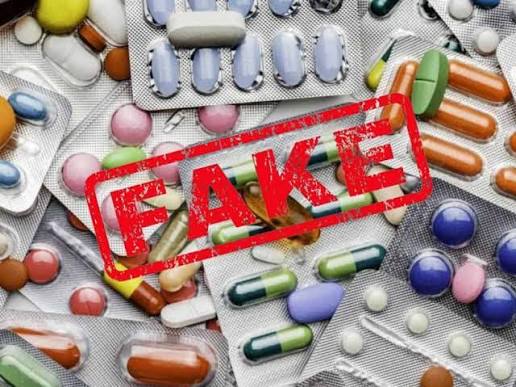
A Nigerian court has sentenced several individuals operating illegal pharmaceutical outlets to prison terms following their conviction for selling unapproved and potentially dangerous medicines to unsuspecting members of the public.
The ruling comes amid renewed warnings from the Pharmaceutical Society of Nigeria (PSN), which has raised serious concerns over the growing circulation of fake and substandard drugs across markets, motor parks, and unregulated medicine shops nationwide.
According to court proceedings, the convicted operators were found guilty of running unlicensed pharmacies, distributing counterfeit medications, and violating national drug safety regulations designed to protect public health.
The court held that the actions of the defendants posed a significant threat to lives, particularly in communities where access to certified healthcare services remains limited, making residents more vulnerable to fraudulent drug sellers.
Sentencing the accused, the judge emphasized that the proliferation of illegal drug outlets undermines Nigeria’s healthcare system and contributes to avoidable deaths, treatment failure, and worsening medical conditions among patients.
The case is one of several recent enforcement actions taken by regulatory agencies as part of a broader crackdown on counterfeit pharmaceuticals in the country.
The National Agency for Food and Drug Administration and Control (NAFDAC), in collaboration with security agencies, has intensified raids on illegal drug markets in major cities, including Lagos, Onitsha, Kano, and Aba, where fake and expired medicines are frequently discovered. (Premium Times)
Officials say the illegal pharmaceutical trade has grown into a multi-billion-naira underground industry, driven by high demand for cheap drugs, weak enforcement in some areas, and limited public awareness about the dangers of unregulated medicines.
Reacting to the court judgment, the Pharmaceutical Society of Nigeria (PSN) welcomed the conviction, describing it as a necessary step toward restoring sanity in the country’s drug distribution system.
The PSN warned that Nigeria is currently facing what it described as a “silent public health emergency” due to the widespread availability of counterfeit, substandard, and adulterated drugs.
According to the society, fake drugs are responsible for treatment failures, drug resistance, and increased mortality rates, particularly among patients suffering from malaria, infections, and chronic illnesses.
PSN President, in a recent statement, stressed that the fight against fake drugs requires stronger enforcement, stricter regulation of pharmacies, and improved public education to help consumers identify legitimate medicine outlets.
“The danger is not just in illegal sellers, but in the system that allows such products to circulate freely,” the statement noted. “We are dealing with a crisis that undermines every level of healthcare delivery.”
Health experts have repeatedly warned that counterfeit drugs often contain incorrect dosages, harmful substances, or no active ingredients at all, making them not only ineffective but potentially lethal.
In many rural and urban communities, residents often rely on informal drug vendors due to affordability and accessibility, unknowingly exposing themselves to significant health risks.
The PSN has called on the federal government to strengthen regulatory enforcement and ensure that only licensed pharmacists are allowed to dispense prescription medications.
It also urged state governments to support crackdowns on illegal medicine markets and invest in public awareness campaigns to educate citizens about the dangers of purchasing drugs from unauthorized sources.
Meanwhile, NAFDAC officials have reaffirmed their commitment to eliminating fake drugs from circulation, noting that ongoing surveillance and enforcement operations have led to the seizure of large quantities of counterfeit medicines in recent months.
Despite these efforts, experts say the scale of the problem remains deeply concerning, particularly as counterfeit drug networks continue to adapt and exploit gaps in regulation and enforcement.
Public health analysts also highlight the role of technology in combating the crisis, suggesting that digital verification systems, barcoding, and mobile authentication tools could help consumers confirm the authenticity of medicines before purchase.
However, implementation challenges, including limited infrastructure and low digital literacy in some areas, continue to hinder widespread adoption of such solutions.
The recent court judgment is viewed as part of a broader effort to deter illegal pharmaceutical practices through legal consequences, signaling that authorities are increasingly willing to prosecute offenders. (Punch News)
Legal experts believe that consistent enforcement and high-profile convictions could help reduce the profitability of illegal drug sales and discourage future violations.
Still, many stakeholders argue that enforcement alone is not enough, and that a comprehensive strategy involving education, healthcare expansion, and economic support for legitimate pharmacies is needed to address the root causes of the crisis.
As Nigeria continues to grapple with public health challenges, the fight against fake drugs remains a critical priority for regulators, health professionals, and civil society groups.
For now, the conviction of illegal pharmacy operators serves as a warning that authorities are tightening their grip on the illicit drug trade, even as the Pharmaceutical Society of Nigeria continues to raise alarm over the scale of the problem and its impact on millions of Nigerians.