Court Grants El-Rufai ₦100 Million Bail, Orders Surrender of Passport Amid High-Profile Legal Battle
A Nigerian court has granted former Kaduna State Governor Nasir El-Rufai ₦100 million bail and ordered the seizure of his international passport amid an ongoing legal case, sparking nationwide political reactions and debate.
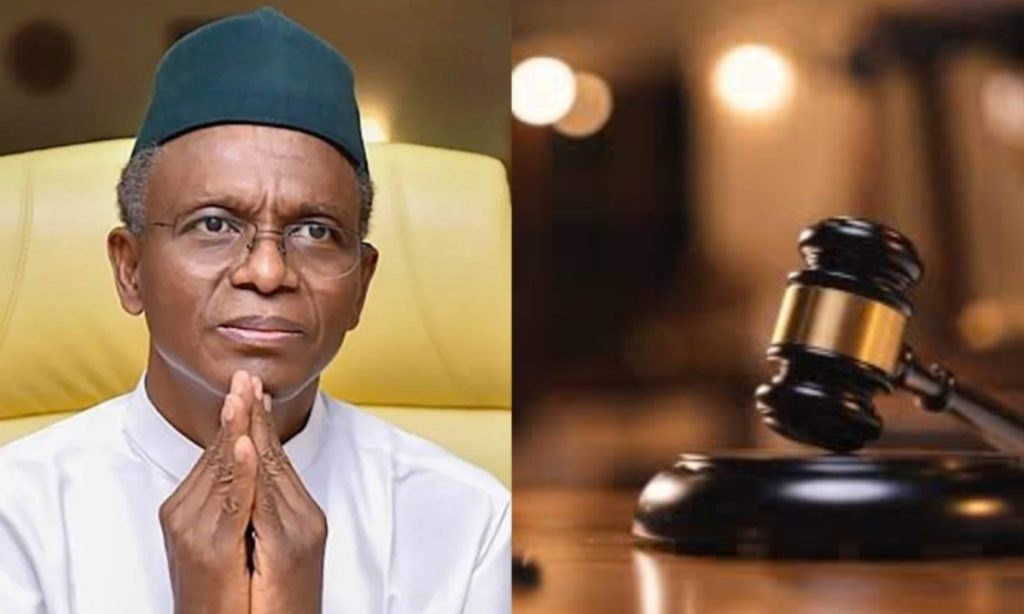
A Federal High Court sitting in Abuja has granted bail for ₦100 million to former Kaduna State Governor Nasir el-Rufai, while also ordering the temporary seizure of his international passport as part of the conditions tied to an ongoing high-profile legal proceeding.
The ruling, delivered on Monday, marks a major development in a case that has drawn widespread political attention across Nigeria, with supporters and critics closely monitoring the court’s handling of one of the country’s most prominent political figures.
The court also directed that El-Rufai must produce two sureties of equivalent value who must be reputable Nigerian citizens with verifiable assets within the court’s jurisdiction.
Court Ruling and Bail Conditions
The presiding judge of the Federal High Court of Nigeria ruled that while the defendant is entitled to bail under the constitution, the conditions must reflect the seriousness of the allegations currently under judicial review.
The ₦100 million bail bond is one of the more significant financial conditions imposed in recent political cases, reflecting the court’s position that the matter carries substantial public interest and potential national implications.
As part of the ruling, the court ordered that El-Rufai’s international passport be deposited with the court registrar until the conclusion of the trial or further judicial instructions.
Legal analysts say passport seizure is often used in high-profile cases to ensure defendants remain within the jurisdiction while proceedings are ongoing.
Court officials confirmed that bail was granted after considering arguments from both the defense and prosecution teams, who presented opposing views on whether the defendant posed a flight risk.
Background of the Case
Although full details of the charges were not exhaustively outlined during the open session, court documents suggest that the case involves allegations related to alleged abuse of office and financial misconduct during El-Rufai’s tenure as governor of Kaduna State.
El-Rufai, a former reformist governor known for his controversial policies and outspoken political style, has denied all allegations through his legal team, insisting that the charges are politically motivated.
His lawyers argued that the former governor had consistently cooperated with investigative agencies and posed no risk of evading trial.
They also emphasized his longstanding public service record, stating that detention or harsh bail conditions would be unnecessary and punitive.
Political Reactions Across Nigeria
The court decision immediately triggered reactions from political observers and party loyalists across the country.
Supporters of El-Rufai described the ruling as a balanced judicial outcome that preserves both the integrity of the legal process and the rights of the accused.
However, some opposition voices argue that the case reflects deeper tensions within Nigeria’s political establishment, particularly as the country continues to witness increasing legal scrutiny of former public officials.
Political commentators say the case could have significant implications for Nigeria’s evolving anti-corruption efforts and the political future of several key actors ahead of upcoming elections.
El-Rufai’s Political Profile
Nasir El-Rufai is one of Nigeria’s most influential and controversial political figures.
He served as Minister of the Federal Capital Territory before becoming Governor of Kaduna State, where he implemented sweeping reforms in urban development, education, and civil service restructuring.
While widely praised for his technocratic approach and governance reforms, his tenure also attracted criticism over security challenges, policy decisions, and political confrontations with opposition groups.
His post-governorship political activity has remained closely watched, especially as Nigeria’s political landscape continues to shift ahead of future national elections.
Legal Analysts Weigh In
Legal experts say the court’s decision to grant bail while imposing strict conditions is consistent with Nigerian constitutional principles that emphasize the presumption of innocence until proven guilty.
According to constitutional law scholars, bail conditions in politically sensitive cases often serve a dual purpose: ensuring defendants appear for trial while also maintaining public confidence in the justice system.
The seizure of international passports, they note, is a standard preventive measure in cases where defendants have access to international travel networks or significant political influence.
Some analysts, however, caution that high-profile cases like this often attract political interpretations that may overshadow purely legal considerations.
Court Emphasizes Fair Trial Principles
During proceedings, the court reiterated its commitment to ensuring a fair and transparent trial process.
The judge emphasized that bail is not a determination of guilt or innocence, but a procedural safeguard designed to balance individual rights with judicial efficiency.
The court also warned both parties against making public statements that could prejudice the ongoing proceedings or influence public perception of the case.
Security around the court premises was reportedly tightened during the hearing, with law enforcement agencies managing crowds of supporters and journalists who gathered outside the courthouse.
Broader Implications for Nigerian Politics
The case involving the former Kaduna governor adds to a growing list of legal proceedings involving high-profile Nigerian politicians.
Observers say it reflects a broader trend of increased judicial scrutiny of public office holders, particularly those who have served in executive roles at state or federal levels.
Some political analysts believe such cases could reshape accountability standards in Nigerian governance, while others caution against politicization of judicial processes.
For many citizens, the case highlights ongoing debates about corruption, governance, and the role of the judiciary in strengthening democratic institutions.
What Happens Next
With bail granted, the next phase of the case will focus on detailed hearings, evidence presentation, and witness testimonies.
El-Rufai’s legal team is expected to formally meet bail conditions in the coming days to secure his release from custody.
The prosecution is also expected to intensify its case preparation as the trial proceeds.
Court proceedings are expected to continue over the coming weeks, with further hearings likely to attract significant public and media attention.
Conclusion
The decision by the Federal High Court to grant ₦100 million bail to Nasir el-Rufai while ordering the seizure of his passport marks a significant development in one of Nigeria’s most closely watched legal cases.
As the trial progresses, the case is expected to remain a focal point in discussions about political accountability, judicial independence, and governance in Nigeria.
For now, attention shifts to compliance with bail conditions and the unfolding courtroom battle that could have lasting political and legal implications.