Citizens celebrate Warri Court's Landmark Ruling that Nigerians Can Record Police Officers on Duty
A Federal High Court in Warri rules Nigerians can legally record police officers on duty. Here’s what the landmark judgment means for citizens’ rights, police accountability, and Nigeria’s security system.
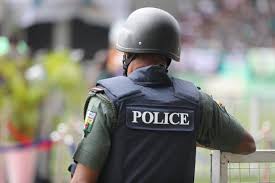
In a landmark judgment with far-reaching implications, the Federal High Court sitting in Warri, Delta State, has affirmed that Nigerians have the constitutional right to record police officers while carrying out their duties in public.
The ruling, delivered by Justice H. A. Nganjiwa, is being widely hailed as a major step toward strengthening civil liberties, enhancing police accountability, and redefining citizen–security relations in Nigeria. (P.M.EXPRESS)
The Court’s Decision
The judgment arose from a lawsuit filed by a legal practitioner, challenging the harassment of citizens by police officers for recording their activities.
In its ruling, the court made several critical declarations:
- Nigerians have the constitutional right to record, photograph, and document police officers in public spaces
- Any attempt to harass, intimidate, arrest, or seize devices from citizens for recording police is unlawful
- Police officers must wear visible name tags and display force numbers
- Anonymous policing officers operating without identification is unconstitutional
The court also awarded ₦7 million in damages to the applicant, reinforcing the seriousness of the violation of fundamental rights. (TheNigeriaLawyer)
At the heart of the ruling is Section 39 of the 1999 Constitution, which guarantees freedom of expression, including the right to receive and impart information. (P.M.EXPRESS)
Why This Ruling Matters
This decision directly addresses one of the most contentious issues in Nigeria’s policing system: citizens being harassed or arrested for filming police officers.
For years, Nigerians have reported incidents where officers have seized phones, deleted recordings, and threatened or detained individuals for filming.
The ruling now provides clear legal backing that such actions are unconstitutional.
Implications for Nigerians
1. Empowerment of Citizens
The judgment significantly empowers Nigerians by affirming their right to document interactions with law enforcement.
This means citizens can now record police checkpoints, film arrests or stop-and-search operations, and document alleged misconduct.
This is particularly important in a digital age where video evidence plays a critical role in accountability.
2. Protection Against Abuse
The ruling offers a layer of protection against police misconduct.
In many cases, recordings have been the only evidence of extortion, harassment, and excessive use of force.
By legitimizing such recordings, the court has effectively strengthened citizens’ ability to defend themselves legally.
3. Reinforcement of Fundamental Rights
The decision reinforces broader constitutional rights, including freedom of expression, right to information, and protection from unlawful arrest.
It signals that citizens are not passive subjects of law enforcement but active participants in democratic accountability.
Implications for the Nigeria Police Force
1. Increased Accountability
Perhaps the most significant impact is on the accountability of police officers.
With citizens legally empowered to record, officers are now more likely to: act professionally, follow procedures, and avoid misconduct.
The presence of cameras creates a deterrent effect, reducing the likelihood of abuse.
2. End of “Anonymous Policing”
The court’s declaration against anonymous policing is equally important.
Officers must now: wear name tags, display force numbers, and be identifiable at all times.
This ensures that any officer involved in misconduct can be tracked and held accountable.
3. Institutional Reforms Pressure
The ruling puts pressure on the Nigeria Police Force to enforce identification policies, train officers on citizens’ rights, and align field practices with constitutional standards.
Failure to comply could result in legal consequences and public backlash.
Connection to #EndSARS and Public Trust
The ruling cannot be separated from the legacy of the End SARS movement.
The protests exposed widespread allegations of: police brutality, extrajudicial killings, and extortion and abuse of power (Wikipedia)
One of the defining features of the protests was the use of citizen-recorded videos, which brought global attention to police misconduct.
This new ruling effectively institutionalizes one of the core demands of that movement - accountability through transparency.
Broader Impact on Nigeria’s Security System
1. Transparency in Law Enforcement
The judgment introduces a new era of open policing, where officers operate under public scrutiny.
Transparency can improve public confidence, reduce corruption, and enhance the legitimacy of security operations.
2. Improved Police - Citizen Relations
Historically, relations between Nigerians and the police have been marked by distrust.
By protecting citizens’ rights, the ruling may: reduce tensions during encounters, encourage cooperation, and build mutual respect.
3. Risk of Operational Challenges
However, the ruling also raises practical concerns.
Security experts warn that unrestricted recording could: expose sensitive operations, compromise undercover missions, and be misused to obstruct law enforcement.
Balancing transparency with operational security will be crucial.
4. Digital Evidence in the Justice System
The decision is likely to increase the use of video evidence in legal proceedings.
Recorded footage can support criminal cases, protect innocent citizens, and strengthen judicial outcomes.
This could lead to a more evidence-driven justice system.
Challenges to Implementation
Despite its significance, the ruling faces potential obstacles:
Resistance from Officers: Some officers may continue old practices, especially in remote areas.
Lack of Awareness: Many citizens may not immediately understand their rights under the ruling.
Weak Enforcement: Without strict enforcement, the judgment could remain symbolic.
What Needs to Happen Next
To ensure the ruling has a real impact:
- The Nigeria Police Force must issue clear directives to all officers
- Public awareness campaigns should educate citizens on their rights
- Civil society groups should monitor compliance
- Disciplinary mechanisms must be enforced for violations
Conclusion
The Federal High Court ruling in Warri marks a turning point in Nigeria’s democratic and security landscape.
By affirming the right of citizens to record police officers, the court has strengthened constitutional freedoms, enhanced accountability, and set new standards for law enforcement.
However, the true impact of the decision will depend on implementation, enforcement, and public awareness.
If properly enforced, this ruling could become one of the most significant steps toward rebuilding trust between Nigerians and their security institutions - a trust that has long been fragile.