Chinese Investors May Acquire 51% Stake in Port Harcourt Refinery, Industry Experts Warn
Concerns are rising after reports suggested Chinese investors may acquire a 51% controlling stake in Nigeria’s Port Harcourt Refinery amid ongoing rehabilitation efforts and mounting debt challenges.
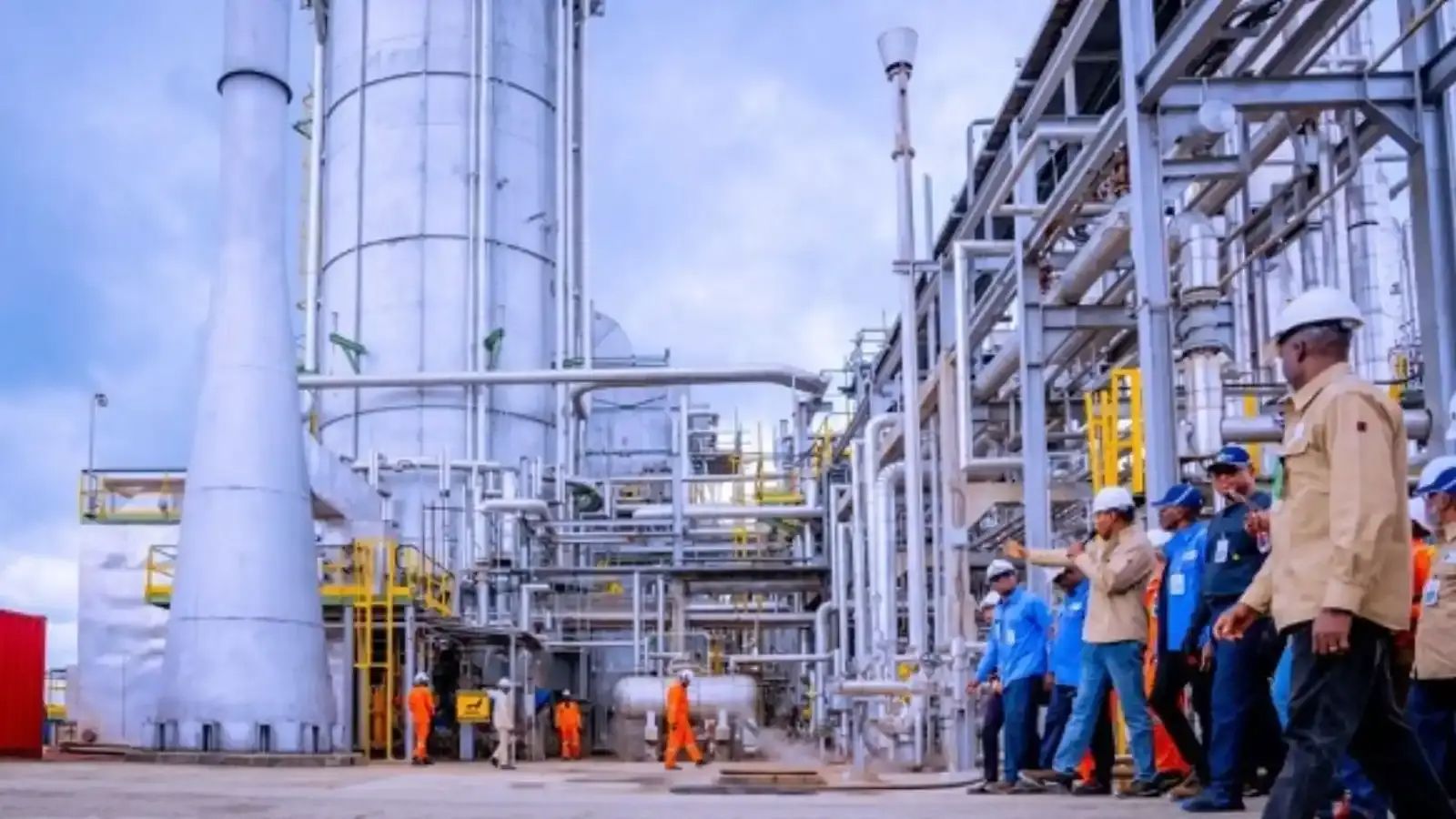
Fresh controversy has erupted within Nigeria’s oil and gas sector following reports that Chinese investors may acquire a 51 percent controlling stake in the Port Harcourt Refinery, raising concerns among industry experts, labor groups, and energy analysts over the future of the country’s refining industry.
The development, which remains under intense public scrutiny, comes amid ongoing efforts by the Nigerian National Petroleum Company Limited (NNPCL) to rehabilitate the country’s aging refineries and reduce Nigeria’s heavy dependence on imported petroleum products.
Reports circulating within the energy sector indicate that negotiations involving foreign technical and financial partnerships may eventually lead to Chinese-linked investors taking majority operational control of the Port Harcourt Refinery complex. (BusinessDay)
Concerns Over Strategic National Assets
Industry stakeholders have expressed fears that surrendering majority ownership of one of Nigeria’s most strategic energy assets could weaken national control over domestic refining operations.
The Port Harcourt Refinery, located in Rivers State, is one of Nigeria’s largest state-owned refineries and has historically played a major role in fuel supply before years of underperformance and shutdowns crippled operations.
Experts warn that if foreign investors secure majority ownership without strong regulatory safeguards, Nigeria could face future vulnerabilities in pricing, energy security, and strategic petroleum management.
Several analysts say the issue goes beyond investment and touches on national economic sovereignty.
“Energy infrastructure is directly tied to national security,” one petroleum analyst reportedly noted. “Any transfer of majority ownership must be carefully evaluated.” (Punchng)
Rehabilitation Efforts and Rising Costs
The Port Harcourt Refinery rehabilitation project has already attracted major public attention because of its enormous financial cost.
In 2021, the Federal Government approved over $1.5 billion for the refinery’s rehabilitation under agreements involving international contractors and financing arrangements.
Authorities initially projected that the refinery would gradually resume operations after phased rehabilitation work. However, delays, operational concerns, and questions over transparency have continued to generate debate.
Critics argue that despite repeated rehabilitation announcements over the years, Nigeria still relies heavily on imported refined petroleum products while domestic refining capacity remains limited.
Chinese Interest Raises Strategic Questions
Reports of potential Chinese investor involvement have intensified broader discussions about China’s expanding influence across Africa’s infrastructure and energy sectors.
Chinese companies have already invested heavily in Nigerian rail, power, mining, telecommunications, and construction projects over the past decade.
Analysts say Beijing’s growing interest in African energy infrastructure reflects its long-term strategy of strengthening economic partnerships and securing influence in global energy markets.
However, some stakeholders fear Nigeria may lose leverage if critical national assets become overly dependent on foreign financing or operational control.
Economic experts note that Chinese investments often come with long-term commercial arrangements that may affect local policy flexibility.
Labor Unions and Civil Society React
Labor unions within Nigeria’s oil and gas sector have reportedly raised concerns over any possible sale or transfer of majority refinery ownership.
Some union leaders warned that privatization without transparency could threaten jobs, weaken public accountability, and reduce government control over strategic assets.
Civil society groups also called for full public disclosure of any negotiations involving foreign investors and refinery ownership restructuring.
Several activists urged the National Assembly to closely scrutinize any potential deal before approval.
“Nigerians deserve clarity on the future of national assets funded by public resources,” one advocacy group stated. (Vanguard news)
NNPCL Yet to Fully Clarify Reports
As public debate intensified, the Nigerian National Petroleum Company Limited has not issued a detailed official clarification confirming whether Chinese investors are indeed negotiating for a controlling 51 percent stake.
However, energy analysts believe that the growing financial pressure surrounding refinery rehabilitation may push authorities toward deeper private-sector participation.
Some experts argue that attracting foreign technical expertise and investment may be necessary if Nigeria hopes to revive its long-struggling refining sector effectively.
Others maintain that partnership models should prioritize joint ventures or minority equity participation rather than outright majority foreign control. (Premium Times)
Nigeria’s Refining Challenges Continue
Nigeria remains Africa’s largest crude oil producer but paradoxically imports much of its refined fuel due to decades of refinery failures, maintenance problems, corruption allegations, and underinvestment.
The country’s major state-owned refineries in Port Harcourt, Warri, and Kaduna have struggled for years with low production capacity and operational shutdowns.
This situation has contributed to recurring fuel scarcity, subsidy burdens, and pressure on foreign exchange reserves.
The emergence of privately owned refining projects, particularly the Dangote Refinery, has also changed conversations around Nigeria’s future energy independence.
Some analysts believe government-owned refineries may struggle to compete unless major structural reforms occur.
Economic and Political Implications
The possibility of Chinese investors acquiring majority ownership of the Port Harcourt Refinery could carry major economic and political implications for Nigeria.
Supporters of foreign investment argue that fresh capital and international operational expertise could finally revive refining efficiency and reduce Nigeria’s dependence on imports.
However, opponents fear long-term consequences involving strategic control, profit repatriation, and national energy autonomy.
Political analysts say the issue may become increasingly controversial as public sensitivity around fuel prices and economic hardship continues to rise nationwide.
With fuel subsidy reforms already placing pressure on households and businesses, any perception of foreign takeover of key national assets could trigger political backlash.
Conclusion
The reports suggesting Chinese investors may acquire a 51 percent stake in the Port Harcourt Refinery have ignited fresh debate over Nigeria’s energy future, economic sovereignty, and refinery rehabilitation strategy.
While some experts see foreign investment as a necessary path toward reviving Nigeria’s struggling refining sector, others warn that the majority foreign control of critical infrastructure could create long-term national risks.
As Nigerians await official clarification, the controversy highlights the broader challenge facing Africa’s largest oil producer: balancing urgent economic realities with the need to preserve strategic national interests.