China Extends Trade Boom as Surging Global AI Demand Fuels Record High-Tech Exports
China's export sector continues to outperform expectations as booming global demand for artificial intelligence (AI) technologies drives record shipments of semiconductors, computing equipment, and other high-tech products despite ongoing trade tensions.
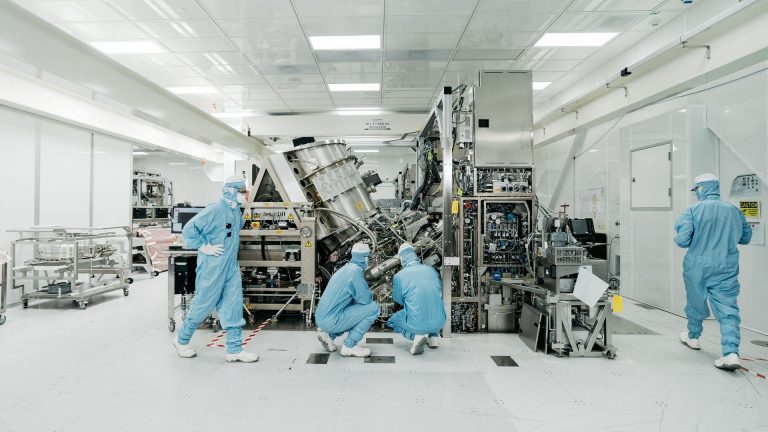
China's export-driven economy received another major boost in July as soaring global demand for artificial intelligence (AI) technologies propelled shipments of semiconductors, computing equipment, and other high-tech products to new heights.
Fresh customs data showed that China's exports rose 23.9% year-on-year in July, surpassing market expectations and extending one of the country's strongest export performances in recent years. Although the pace eased slightly from June's 27% increase, economists say the sustained momentum underscores China's growing importance in the global AI supply chain. (Reuters)
The latest figures highlight how the worldwide race to build AI infrastructure, from data centers and cloud computing platforms to advanced semiconductor manufacturing, is creating unprecedented demand for Chinese-made technology products, helping offset weaker domestic consumption and persistent trade uncertainties.
AI Boom Powers China's Export Engine
According to China's General Administration of Customs, high-tech exports remained the strongest contributor to overall trade growth during July.
Exports of semiconductors nearly doubled compared with the same period last year, while shipments of computers, servers, integrated circuits, and other AI-related hardware surged sharply as technology companies around the world accelerated investments in artificial intelligence infrastructure.
High-tech exports increased by more than 40%, reflecting robust international demand for components essential to AI development, including processors, storage devices, networking equipment, and industrial automation technologies. (AP News)
Analysts say the surge demonstrates China's increasingly central role in supplying the hardware required for the global AI revolution.
Semiconductors Lead Growth
One of the biggest beneficiaries of the AI boom has been China's semiconductor industry.
Customs data indicate that exports of integrated circuits nearly doubled during the first half of 2026, while exports of automatic data-processing equipment including servers, computers, and related components rose by more than 41%.
Industry experts attribute the growth to heavy spending by global technology firms expanding AI computing capacity through new data centers and cloud infrastructure. (South China Morning Post)
As demand for AI chips continues to climb, Chinese manufacturers have expanded production despite export restrictions imposed by some Western governments.
Strong Trade Despite Global Challenges
The export boom comes despite persistent geopolitical tensions and trade disputes.
The United States has continued to tighten restrictions on certain Chinese technology exports while imposing additional tariffs on selected products. Nevertheless, China's diversified export markets have helped cushion the impact.
Strong demand from the European Union, ASEAN countries, South Korea, and emerging markets has enabled Chinese exporters to maintain robust sales even as shipments to some traditional markets face greater scrutiny.
Economists say China's ability to diversify its customer base has reduced its dependence on any single market and strengthened the resilience of its export sector.
Imports Also Show Strength
China's imports also recorded solid growth, rising 27.5% year-on-year in July.
Much of the increase reflected higher purchases of semiconductors, industrial equipment, and manufacturing inputs needed to support expanding high-tech production.
However, imports of crude oil and natural gas declined in volume, reflecting weaker domestic industrial demand and changing energy consumption patterns, even as higher global prices pushed up import values.
Manufacturing Shift Toward High Technology
The latest trade figures reinforce China's transition from labour-intensive manufacturing toward advanced technology production.
While exports of traditional products such as toys, garments, and ceramics have slowed, shipments of electric vehicles, industrial robots, batteries, renewable energy equipment, and AI-related technologies continue to grow rapidly. (AP News)
Vehicle exports, in particular, have surged during 2026, reflecting strong overseas demand for Chinese electric vehicles and automotive technologies.
Economists argue that this structural transformation is helping China move up the global value chain while reducing reliance on low-cost manufacturing.
Domestic Economy Still Faces Challenges
Despite impressive export performance, China's domestic economy continues to face significant headwinds.
Consumer spending remains subdued, property investment remains weak, and business confidence has yet to fully recover following recent economic slowdowns.
Analysts note that export growth has become an increasingly important driver of China's economy, helping policymakers maintain overall GDP growth despite sluggish domestic demand.
Beijing has so far refrained from introducing large-scale stimulus measures, instead relying on strong manufacturing output and high-tech exports to support economic expansion.
AI Investment Driving Global Demand
The rapid expansion of artificial intelligence has transformed global technology investment.
Major technology companies across North America, Europe, Asia, and the Middle East are investing billions of dollars in AI infrastructure, including advanced processors, servers, cloud computing facilities, networking equipment, and data storage systems.
Much of the hardware supporting these investments is manufactured or assembled in China, reinforcing the country's position as a key supplier within global technology supply chains.
The trend has also benefited manufacturers producing industrial automation equipment, robotics, precision electronics, and advanced manufacturing components.
Risks Remain
Although the outlook for China's export sector remains positive, analysts warn that several risks could slow future growth.
Among the biggest concerns are:
- Continued trade tensions with the United States and other Western economies.
- Additional export controls on advanced technology products.
- Weak domestic consumer demand.
- Geopolitical uncertainties affecting global supply chains.
- Potential moderation in AI infrastructure spending after the current investment cycle.
Nevertheless, economists believe global demand for AI hardware is likely to remain strong over the medium term as governments and private companies continue expanding digital infrastructure.
Outlook
China's latest trade performance highlights the growing influence of artificial intelligence on the global economy.
With exports of semiconductors, computing equipment, and other high-tech products continuing to outperform expectations, China has successfully positioned itself at the center of the AI-driven manufacturing boom.
While domestic economic challenges and geopolitical tensions remain, sustained global investment in AI technologies is expected to continue supporting Chinese exports in the months ahead.
For policymakers in Beijing, the continued strength of the export sector provides valuable support as they seek to balance slower domestic growth with expanding international demand. As artificial intelligence reshapes industries worldwide, China's role as a major supplier of AI-related hardware appears set to remain a defining feature of global trade