BREAKING: Senator Barinada Mpigi Dies at 64 - A Pillar of Infrastructure Oversight and Niger Delta Advocacy
Senator Barinada Mpigi, influential chairman of the Senate Committee on Works and representative of Rivers South-East, has died at 64. This article explores his life, legislative legacy, key roles, and political impact.
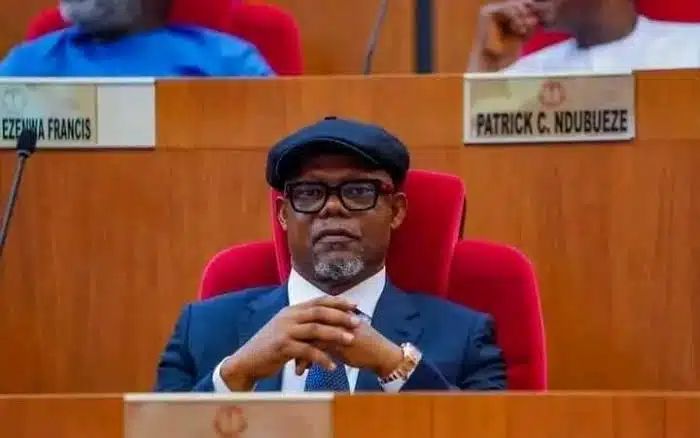
Nigeria’s legislature has plunged into mourning following the death of Senator Barinada Mpigi, a senior lawmaker and influential voice in the National Assembly. Barinada Mpigi, who represented the Rivers South-East Senatorial District, died on Thursday at the age of 64, according to multiple newsroom confirmations and legislative sources.
While details about the cause of his death are still emerging, early reports indicate that he had been ill for some time. His passing marks a significant moment in Nigeria’s political landscape, given his leadership roles, particularly in national infrastructure and efforts to address economic sabotage in the Niger Delta region. (Politics Nigeria)
From Federal Lawmaker to Senate Leader
Born on June 23, 1961, Mpigi’s political journey spanned more than a decade of public service. He first entered the National Assembly in 2011, securing a seat in the House of Representatives where he served two terms, being re-elected in 2016. In 2019, he ascended to the Senate after winning the election to represent Rivers South-East Senatorial District on the platform of the Peoples Democratic Party (PDP). (Wikipedia)
His early legislative career in the House of Representatives built a reputation for grassroots engagement and consistent constituent service, elements that would define his later tenure in the Senate.
Infrastructure Oversight and National Projects
In the Senate, Mpigi’s most prominent role came through his appointment as Chairman of the Senate Committee on Works - a position that placed him at the center of federal infrastructure oversight. In this capacity, he played a key role in examining federal road projects, project execution efficiency, and oversight of public works spending.
Infrastructure remains one of Nigeria’s chronic governance challenges, with deteriorating roads and lagging project completion affecting commerce and daily life. Mpigi’s leadership on the Works Committee involved routine budget defence sessions, progress monitoring, and pushing for accountability in the utilization of federal resources. Members of the committee recently observed formal sessions in his absence as deputy leaders began presiding due to his health constraints. (Businessday NG)
Championing Action Against Crude Oil Theft
Beyond physical infrastructure, Mpigi was also known for his role in combating economic sabotage in the Niger Delta - one of Nigeria’s most vital but troubled economic regions due to oil production challenges and chronic crude theft.
During the Ninth Assembly, he chaired a joint Senate committee mandated to investigate crude oil theft, a role that placed him in a high-profile zone of national policy and economic security. The committee’s investigations sought to grapple with rampant illegal tapping, pipeline vandalism, and revenue loss impacting public finances and investor confidence.
His work on this front demonstrated a legislative willingness to confront entrenched issues that have long hampered Nigeria’s oil sector - a key backbone of the national economy.
Political Influence and Party Realignment
Mpigi’s tenure was also shaped by the fluidity of Nigeria’s contemporary political alignments. In late 2025, he was among senators from Rivers State who defected from the PDP to the All Progressives Congress (APC), citing internal party crises and the need to align with federal governance structures in order to better serve their constituencies ahead of the 2027 general elections. (Punch Newspapers)
This move reflected broader political currents in the South-South geopolitical zone, where lawmakers have recalibrated political affiliations amidst local party tensions and strategic national positioning.
Reactions and Legislative Mourning
News of Mpigi’s passing was first confirmed to national outlets by sources close to the lawmaker and subsequently picked up across multiple media platforms. Tributes have begun to pour in from colleagues, state leaders, and community figures, who describe him as a committed legislator and advocate for his people.
Colleagues in the Senate are expected to make a formal announcement and conduct official observances in accordance with parliamentary procedures as the nation comes to terms with the sudden loss.
A Legacy of Service and Oversight
Senator Mpigi’s political legacy is rooted in sustained engagement with infrastructure challenges and economic governance issues - areas that directly impact Nigeria’s development trajectory. His work chairing the Senate Committee on Works positioned him at the forefront of federal efforts to improve national connectivity, a work often underappreciated but vital for economic efficiency and social mobility.
Similarly, his leadership in probing crude oil theft highlighted his willingness to address complex, multifaceted problems that have long affixed themselves to Nigeria’s economic narrative.
Impact on Rivers State and National Politics
For Rivers State - one of Nigeria’s key economic hubs due to its oil and gas endowments - Mpigi’s death creates both a political and leadership void. His influence in local mobilization and regional advocacy made him a significant figure in representing the interests of his constituents at the national level.
Politics in Rivers and the wider South-South region, already under strain from inter-party competition and power realignments, will now recalibrate as leaders and communities assess pathways forward ahead of elections and policy debates in 2026 and beyond.
Conclusion
The death of Senator Barinada Mpigi at 64 marks the end of a substantive career in Nigeria’s legislative landscape. With roots in grassroots politics and roles that spanned from infrastructure oversight to economic security investigations, Mpigi stood as a figure dedicated to public service and pragmatic governance.
As formal statements and tributes continue to emerge, his legacy - especially in areas of infrastructure policy, crude oil theft oversight, and national legislative leadership - will be weighed as a significant chapter in recent Nigerian political history.
May his contributions continue to inform discussions on governance, infrastructure development, and legislative responsiveness in Nigeria’s evolving democracy.