BREAKING: Ex-Prince Andrew Arrested at 66 - What It Means for Royal Accountability and the Epstein Files
Ex-Prince Andrew (Andrew Mountbatten-Windsor) was arrested on suspicion of misconduct in public office in a major development tied to the Epstein files. Here’s a comprehensive look at the arrest, implications for the British monarchy, legal lessons, and global impact.
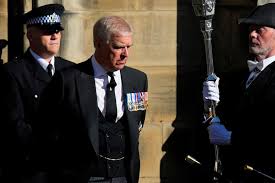
In an unprecedented legal and constitutional moment, Andrew Mountbatten-Windsor - formerly known as Prince Andrew - was arrested on February 19, 2026, on suspicion of misconduct in public office, police confirmed. The 66-year-old was taken into custody by Thames Valley Police at his home on the Sandringham Estate in Norfolk, England, on what also happened to be his birthday. The arrest is part of an ongoing investigation linked to documents from the Jeffrey Epstein case and marks the most serious legal challenge faced by a senior member of the British royal family in modern history. (Business Standard)
What Happened: Arrest Details and Allegations
Thames Valley Police stated they had “arrested a man in his 60s from Norfolk on suspicion of misconduct in public office” and were conducting searches at properties in Berkshire and Norfolk. Although the force did not initially name him, British media swiftly identified the individual as Andrew Mountbatten-Windsor, the younger brother of King Charles III.
The arrest relates to long-running scrutiny over Andrew’s past associations with convicted sex offender Jeffrey Epstein and newly released documents often referred to as the “Epstein files.” These records reportedly contain emails and correspondence implying that while serving as the UK’s special trade envoy between 2001 and 2011, Andrew may have shared confidential government information with Epstein - a possible breach of duties and confidentiality requirements for public office.
The allegations under review include claims that a woman was trafficked to the UK by Epstein in 2010 for an encounter with Andrew - allegations that US prosecutors forwarded to British authorities earlier this year. (The National)
Andrew has consistently denied any wrongdoing, as he had previously denied other allegations tied to the Epstein network.
A Constitutional First: Royal Accountability in Modern Times
The arrest of Andrew Mountbatten-Windsor is historic on several fronts:
- It represents the first arrest of a senior royal in modern history, according to historical comparisons, noting that the last arrest of a British royal for a serious offence occurred during the English Civil War in 1647. (Yahoo News)
- It underscores a legal precedent that no individual is above the law, regardless of royal lineage or status. UK Prime Minister Keir Starmer highlighted this principle hours before the arrest, stating publicly that “nobody is above the law.” (The Times of India)
King Charles III issued a statement expressing his “deepest concern” about the arrest and emphasised that “the law must take its course,” while affirming the royal family’s cooperation with authorities. (The Guardian)
Unlike in previous decades when royal controversies were often managed discreetly behind palace walls, this situation reflects evolving expectations of transparency and legal accountability — even for individuals with historic privileges. (The Irish News)
Legal Implications and Charges
The formal suspicion of misconduct in public office carries significant legal weight in the UK. Under British common law, this offence - defined through case law rather than statute - applies where a public official wilfully neglects their duties or improperly exercises their functions for personal gain or benefit. Penalties can be severe, potentially including imprisonment.
Police confirmed the investigation is ongoing, and Andrew remains in custody while detectives gather evidence. Searches of his residences are part of broader inquiries that may lead to charges depending on the evidence uncovered and subsequent Crown Prosecution Service advice.
The Epstein Files: Renewed Scrutiny and Old Allegations
While the arrest is officially linked to misconduct in public office, it emerges amid the renewed global fallout from the extensive “Epstein files.” This trove of documents - compiled by the US Department of Justice and released in recent months - has prompted multiple investigations worldwide into powerful associates of Jeffrey Epstein, the financier convicted in 2008 of soliciting minors for prostitution.
The files contain emails and other correspondence suggesting that Andrew forwarded sensitive information concerning UK trade missions and diplomatic trips to Epstein, raising questions about his conduct as an envoy. (Wikipedia)
Royal Brand and Public Confidence
The arrest has reverberated across Britain and beyond, sending shockwaves through public opinion and media coverage. Royal commentators have described the development as “seismic,” leaving the monarchy in “uncharted waters” and prompting questions about how an institution rooted in tradition will navigate modern legal challenges.
Public sentiment varies widely: some see the arrest as necessary accountability, while others fear damage to the monarchy’s reputation and moral authority. Campaigners from anti-monarchy groups like Republic have actively sought legal avenues to address allegations against Andrew, emphasizing that persistent public pressure contributed to police action. (Reddit)
Lessons on Accountability and Institutional Reform
The broader implications of the arrest extend beyond Andrew’s personal legal jeopardy:
- Rule of Law Affirmed: The arrest reaffirms that even historically eminent figures can be held accountable under modern legal standards, an important principle in democratic societies.
- Institutional Transparency Pressure: The monarchy - traditionally privy to discretion and confidentiality - now faces pressure to adapt to a transparent legal environment, where allegations aren’t shielded by status or privilege.
- Public Trust and Governance: Renewed scrutiny of royal conduct may fuel discussions about the role and funding of the monarchy, and how institutions adapt to societal demands for ethical conduct.
- Investigative Precedent: Law enforcement and legal authorities in the UK and abroad may be emboldened to pursue further inquiries into other high-profile individuals tied to the Epstein files, underscoring global implications for corruption and abuse investigations.
Conclusion: A Turning Point in Royal Accountability
The arrest of Andrew Mountbatten-Windsor on suspicion of misconduct in public office is more than a headline - it is a moment that challenges traditional boundaries between privilege and legal accountability. As the investigation unfolds, it will likely influence public discourse about accountability, power, and institutional integrity, both within the UK and in the broader global narrative on justice and governance.