Borno State Government Says Repentant Terrorists Swear Quranic Oaths Before Reintegration
The Borno State Government says repentant terrorists undergoing reintegration are required to swear oaths with the Quran before rejoining society. The policy has sparked debate over rehabilitation, security, justice, and long-term peacebuilding in northeastern Nigeria.
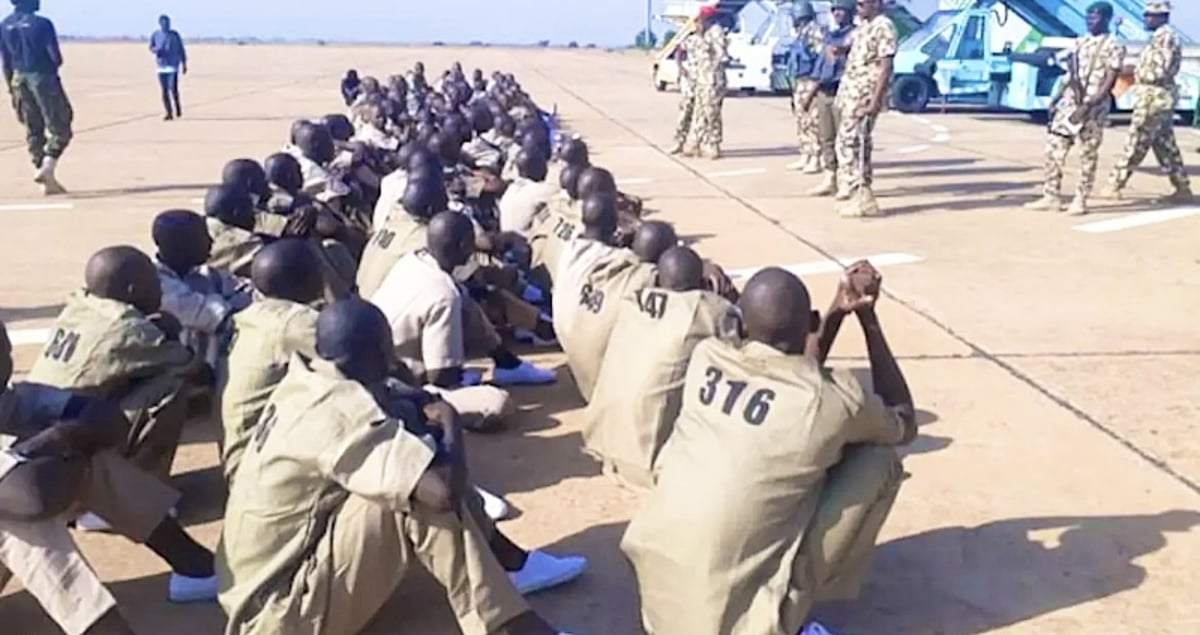
The Borno State Government has revealed that repentant insurgents undergoing rehabilitation and reintegration processes are required to swear solemn oaths using the Quran before being accepted back into society.
The disclosure has generated intense public debate across Nigeria, with supporters describing the measure as a culturally sensitive approach to peacebuilding, while critics question whether religious oaths alone can guarantee long-term deradicalization and public safety.
According to state officials, the oath-taking process forms part of broader rehabilitation efforts aimed at ensuring former fighters genuinely renounce violence, terrorism, and extremist ideology before returning to civilian communities.
The development comes amid ongoing efforts by Nigerian authorities to address the long-running insurgency linked to extremist groups operating in northeastern Nigeria, particularly in Borno State, which has remained one of the worst-affected regions since the conflict began more than a decade ago.
Reintegration Programme Under Scrutiny
The reintegration of former insurgents has remained one of the most controversial aspects of Nigeria’s counterterrorism strategy.
Under various rehabilitation initiatives, repentant fighters who surrender to authorities are typically subjected to deradicalization programmes, vocational training, counseling, and community reconciliation processes before reintegration.
Officials say the programmes are designed to reduce violence by encouraging defections from terrorist groups and preventing former fighters from returning to insurgency.
However, many victims of terrorism, displaced people, and affected communities have repeatedly expressed concerns about trust, accountability, and justice.
The latest revelation about Quranic oath-taking has therefore intensified public conversations about how Nigeria balances reconciliation with security concerns.
According to officials in Borno State, the oath is intended to carry deep moral and spiritual significance for participants, reinforcing commitments to peaceful living and rejection of extremist violence.
Religious and Cultural Dimensions
Authorities argue that incorporating religious values into the reintegration process reflects local realities in northeastern Nigeria, where religion plays an important role in social life and community identity.
Some traditional and religious leaders reportedly participate in parts of the reconciliation process to help rebuild trust between communities and former fighters.
Supporters of the approach believe spiritual accountability can strengthen rehabilitation efforts, particularly in communities where religious beliefs strongly influence personal conduct and social obligations.
They argue that public oath-taking before respected clerics and community figures may create psychological and moral pressure discouraging return to violence.
Several peacebuilding experts have also emphasized that successful reintegration often requires cultural sensitivity and community participation rather than relying solely on military solutions.
Critics Raise Security Concerns
Despite official assurances, critics remain skeptical about the effectiveness of relying on religious oaths as part of counterterrorism rehabilitation.
Some security analysts warn that extremist groups have historically manipulated religion for recruitment and ideological justification, raising concerns that oath-taking alone cannot guarantee genuine ideological transformation.
Victims’ groups and some civil society organizations have also questioned whether communities are adequately consulted before former insurgents are returned to local areas.
Many survivors of terrorist attacks continue living with trauma, displacement, and economic hardship, making reconciliation efforts emotionally and politically sensitive.
Critics argue that stronger monitoring of mechanisms, psychological assessments, and community security safeguards is necessary to prevent possible recidivism.
Others worry that insufficient transparency surrounding reintegration programmes may weaken public confidence in government counterterrorism efforts.
Humanitarian and Security Challenges
The insurgency in northeastern Nigeria has created one of Africa’s most severe humanitarian crises over the past decade.
Thousands of people have been killed, while millions have faced displacement, hunger, and economic devastation across affected communities.
Schools, farms, health facilities, and infrastructure have suffered extensive damage in many parts of Borno and neighboring states.
Although Nigerian military operations have weakened some insurgent strongholds, attacks and security threats continue in parts of the region.
Authorities therefore, face the difficult challenge of balancing military operations with long-term peacebuilding and stabilization strategies.
Government officials insist that rehabilitation and reintegration remain necessary components of ending the insurgency permanently.
According to security experts, conflicts driven by ideology and social grievances are rarely solved through military action alone.
Questions About Justice and Accountability
One of the biggest public concerns surrounding repentant insurgent programmes involves accountability for past crimes.
Many Nigerians continue debating whether former fighters accused of participating in killings, kidnappings, or attacks should face prosecution before reintegration.
Some legal experts argue that reconciliation efforts must include clear justice mechanisms to avoid creating perceptions of impunity.
Others believe lower-level fighters who were forcibly recruited or manipulated deserve opportunities for rehabilitation if they genuinely renounce violence.
The debate reflects broader global challenges faced by countries emerging from violent conflict, where governments must often balance justice, reconciliation, and national stability.
In Nigeria’s case, the emotional impact of terrorism remains especially strong because many communities continue suffering from insecurity and displacement.
Community Acceptance Remains Key
Experts say the long-term success of reintegration programmes ultimately depends on whether local communities accept returning former fighters.
Without community trust, reintegrated individuals may face rejection, isolation, or stigmatization, potentially increasing risks of re-radicalization.
As a result, local leaders, religious institutions, and community organizations are increasingly being involved in dialogue and reconciliation initiatives.
Some residents in affected areas reportedly support rehabilitation efforts if they contribute to reducing violence and encouraging more defections from insurgent groups.
Others remain deeply opposed, insisting that justice for victims should come before reintegration.
The divide reflects the complex social and emotional realities of rebuilding communities after years of insurgency.
Wider Implications for Nigeria’s Counterterrorism Strategy
The Borno State Government’s disclosure about Quranic oath-taking highlights how Nigeria’s counterterrorism strategy increasingly combines military, religious, psychological, and social approaches.
Authorities appear to recognize that defeating extremism requires addressing ideological influence alongside security operations.
However, the debate also underscores the enormous challenges involved in rebuilding trust after prolonged violence.
Analysts say Nigeria’s handling of reintegration programmes may influence future peacebuilding strategies across the wider Sahel region, where extremist violence continues threatening regional stability.
International organizations and security experts continue monitoring Nigeria’s rehabilitation programmes as part of broader discussions on deradicalization and post-conflict recovery.
Balancing Peace and Public Trust
As Borno State continues pursuing reintegration efforts, the government faces mounting pressure to reassure communities that security remains the top priority.
For supporters, the Quranic oath symbolizes moral accountability and cultural relevance within rehabilitation efforts.
For critics, it raises difficult questions about verification, justice, and long-term effectiveness.
Ultimately, Nigeria’s success in ending insurgency may depend not only on military victories but also on whether reconciliation initiatives can genuinely rebuild trust, reduce extremism, and create lasting peace in communities devastated by years of violence.