Borno Bloodshed: Army General, Soldiers and Terrorists Killed as Tinubu Mourns Fallen Heroes
A deadly attack in Borno claims the life of a Nigerian Army General and several soldiers. President Tinubu reacts as concerns mount over Nigeria’s security challenges.
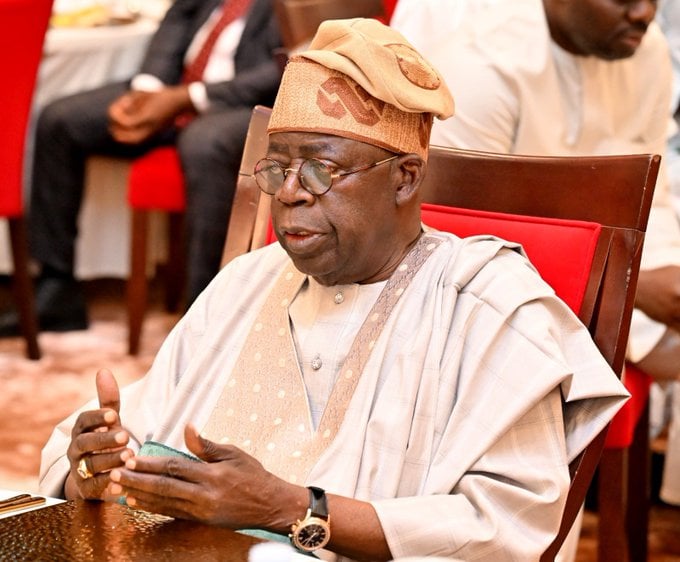
Nigeria’s long-running battle against insurgency in the North-East has suffered another devastating blow following a deadly attack in Borno State that claimed the life of a senior military officer, several soldiers, and multiple terrorists.
The incident, which underscores the persistent threat posed by extremist groups, has drawn national attention and prompted a solemn response from President Bola Ahmed Tinubu, who mourned the fallen and reaffirmed his administration’s commitment to ending terrorism.
The Attack in Borno
The attack occurred in Borno State, a region that has remained the epicenter of insurgent activity for over a decade. Reports indicate that troops were engaged in a fierce battle with suspected fighters linked to Boko Haram and its splinter faction, the Islamic State West Africa Province (ISWAP).
During the confrontation, an Army General whose identity was later confirmed by military authorities was killed alongside several soldiers. The clash also resulted in the deaths of a number of terrorists, though the exact figures remain contested.
Military sources described the encounter as intense, involving coordinated ground assaults and heavy exchange of gunfire.
A Significant Loss for the Military
The death of a General in active combat is both rare and deeply symbolic. Senior officers are typically positioned away from direct frontlines, coordinating operations rather than engaging in close combat.
This loss highlights the increasingly unpredictable and dangerous nature of the conflict in the North-East. It also reflects a leadership style within the Nigerian military that sometimes places high-ranking officers in operational zones to boost troop morale and ensure mission effectiveness.
However, such exposure comes with significant risks, as this incident tragically demonstrates.
Tinubu’s Reaction
In a statement released shortly after the incident, President Bola Ahmed Tinubu expressed deep sorrow over the loss of lives.
He paid tribute to the fallen General and soldiers, describing them as patriots who made the ultimate sacrifice in defense of the nation. The President also extended condolences to the families of the deceased and the Nigerian Armed Forces.
Importantly, he reaffirmed his administration’s resolve to defeat insurgency, promising that the deaths of the soldiers would not be in vain.
The Ongoing Insurgency
The attack serves as a stark reminder that, despite years of military operations, insurgent groups remain active and capable of launching deadly assaults.
Since the emergence of Boko Haram in the late 2000s, the conflict has claimed tens of thousands of lives and displaced millions of people, particularly in North-Eastern Nigeria.
While the group has been significantly weakened over time, its factions continue to exploit difficult terrain, local grievances, and regional instability to sustain their operations.
What This Incident Reveals
This latest attack reveals several troubling realities about Nigeria’s security situation.
First, it underscores the resilience of insurgent groups. Despite sustained military pressure, they retain the ability to regroup and strike high-value targets.
Second, it highlights potential intelligence and operational gaps. The ability of terrorists to engage troops at such a high level raises questions about surveillance, reconnaissance, and preparedness.
Third, it reflects the evolving tactics of insurgents, who are increasingly adopting asymmetric warfare strategies, including ambushes and surprise attacks.
Impact on National Morale
The death of a senior military officer has a profound impact on national morale. It is a reminder of the sacrifices being made by members of the armed forces and the risks they face daily.
For civilians, especially those in conflict-affected areas, such incidents can deepen fears and erode confidence in security efforts. For the military, it is both a moment of grief and a call to intensify operations.
The government’s response, therefore, plays a crucial role in shaping public perception and maintaining trust.
Regional and International Implications
The insurgency in North-East Nigeria is not just a national issue; it has regional implications. Neighboring countries in the Lake Chad Basin have also been affected by cross-border attacks and militant activities.
Nigeria’s ability to manage and ultimately defeat insurgency is critical for regional stability. Incidents like this can influence international perceptions, particularly among partners involved in counter-terrorism efforts.
They also highlight the need for continued collaboration between Nigeria and its allies in intelligence sharing, training, and logistics support.
Calls for Renewed Strategy
In the wake of the attack, security analysts and stakeholders have renewed calls for a reassessment of Nigeria’s counter-insurgency strategy.
Suggestions include increased investment in intelligence gathering, improved welfare for soldiers, enhanced use of technology such as drones, and stronger community engagement to address the root causes of insurgency.
There is also a growing consensus that military action alone may not be sufficient, and that a comprehensive approach involving economic development and social interventions is necessary.
Conclusion
The deadly attack in Borno State, which claimed the life of an Army General and several soldiers, is a sobering reminder of the challenges Nigeria continues to face in its fight against insurgency.
President Bola Ahmed Tinubu’s response reflects both mourning and determination, but the path forward will require more than words. It will demand sustained effort, strategic innovation, and national unity.
As Nigeria honors its fallen heroes, the focus must remain on ensuring that their sacrifices lead to lasting peace and security.