Boko Haram Attacks Chibok Community, Burns Houses and Shops: Renewed Terror in Nigeria’s Northeast
Boko Haram insurgents attacked a Chibok community, setting homes and shops ablaze. A detailed analysis of the incident, its implications, and what it reveals about Nigeria’s worsening security crisis.
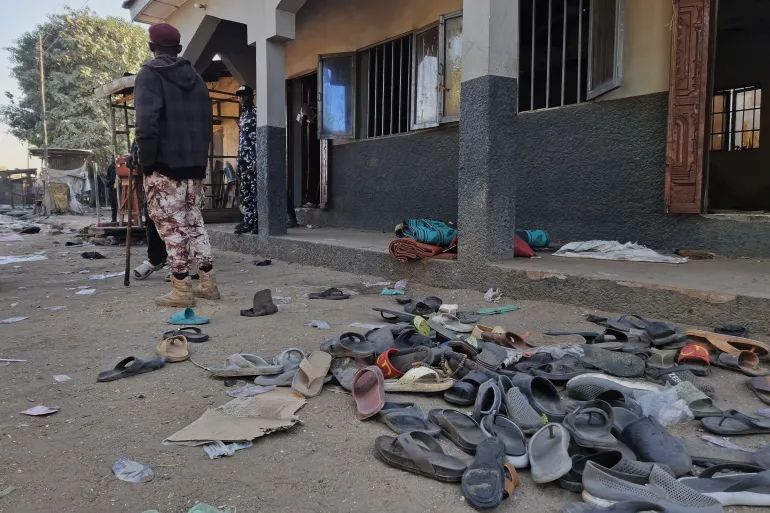
Nigeria’s long-running insurgency crisis resurfaced with renewed intensity in early April 2026 as Boko Haram fighters launched another हमला on a community in Chibok, Borno State. The attack, which saw homes and shops burnt to the ground, has once again thrown the spotlight on the fragile security situation in the country’s northeast.
For many Nigerians, particularly residents of Borno State, the incident is not just another headline, but it is a painful reminder that despite years of military operations, the threat of insurgency remains far from over.
The Chibok Attack
Suspected Boko Haram insurgents attacked Awapul, a community in Chibok Local Government Area of Borno State, in the early hours of Sunday. The attackers reportedly stormed the village around 1:30 a.m., firing gunshots and setting houses and shops ablaze.
Residents described scenes of panic as families fled into nearby bushes to escape the violence. The attackers, who arrived in large numbers, carried out a coordinated assault that resulted in widespread destruction of property. (P.M. News)
According to the Borno State Police Command, while no fatalities were officially recorded in this incident, the destruction was significant, with multiple homes and businesses reduced to ashes. (Ripples Nigeria)
A Region Haunted by History
The name Chibok carries deep historical trauma. In 2014, Boko Haram kidnapped over 200 schoolgirls from the town in an incident that shocked the world and symbolized the brutality of the insurgency. (Wikipedia)
More than a decade later, attacks like the one in Awapul highlight a troubling reality:
the insurgency may have weakened, but it has not been defeated.
A Wave of Coordinated Attacks
The Chibok attack did not occur in isolation. Reports indicate that it came less than 24 hours after Boko Haram fighters attacked other locations in Borno State, including:
- An Internally Displaced Persons (IDP) camp in Damasak
- A police facility in Nganzai
These attacks resulted in casualties, including security personnel, and further destruction of infrastructure. (Punch Newspapers)
This pattern suggests a coordinated resurgence - multiple strikes across different locations within a short time frame, designed to overwhelm security responses and spread fear.
The Tactics: Fear, Fire, and Displacement
The Chibok attack reflects Boko Haram’s enduring tactics:
1. Nighttime Raids: The assault occurred in the early hours of the morning, a time when communities are most vulnerable.
2. Arson as a Weapon: Burning homes and shops serves multiple purposes:
- Destroying livelihoods
- Forcing displacement
- Sending a psychological message of dominance
3. Hit-and-Run Strategy: Attackers strike quickly and retreat before security forces can respond, making them difficult to track.
These tactics have been consistent throughout the insurgency, allowing the group to maintain relevance despite military pressure.
What This Reveals About Nigeria’s Security Situation
1. Persistent Insurgency Threat: Despite claims of progress by security agencies, Boko Haram and its splinter groups remain operational. The ability to carry out coordinated attacks across multiple locations indicates that the group remains:
- Mobility
- Intelligence networks
- Operational capacity
2. Rural Communities Remain Exposed: The attack highlights the vulnerability of rural communities in northeastern Nigeria. Many villages lack:
- Adequate security presence
- Early warning systems
- Rapid response mechanisms
As a result, residents are often left to fend for themselves during attacks.
3. Security Forces Are Overstretched: Nigeria is currently battling multiple security challenges simultaneously:
- Insurgency in the North-East
- Banditry in the North-West
- Kidnappings nationwide
- Communal clashes in the Middle Belt
This multi-front crisis stretches security resources thin, reducing the effectiveness of response efforts in any single region.
4. Psychological Warfare Still Effective: Even without mass casualties, attacks like the one in Chibok achieve a key objective:
fear.
By burning homes and businesses, insurgents send a clear message that no community is beyond their reach. This psychological impact often leads to:
- Mass displacement
- Economic disruption
- Loss of confidence in government protection
5. Questions About Long-Term Strategy: The recurrence of such attacks raises critical questions:
- Is Nigeria’s counterinsurgency strategy sustainable?
- Are military gains being consolidated effectively?
- Is enough being done to rebuild and secure vulnerable communities?
Without addressing these questions, attacks may continue in cycles.
The Human and Economic Impact
Residents of Awapul and surrounding areas reportedly fled to safer towns, including Chibok itself, adding to the growing number of internally displaced persons in the region.
Loss of Livelihoods
The destruction of shops and homes represents more than physical damage - it wipes out sources of income and economic stability.
For many rural families, such losses can take years to recover from, if at all.
Trauma and Fear
For survivors, psychological scars can be long-lasting. The memory of gunshots, fire, and forced escape leaves communities living in constant fear of future attacks.
A Broader Pattern of Resurgence
Recent months have seen signs of renewed Boko Haram activity:
- Suicide bombings in Maiduguri killing dozens
- Attacks on military and civilian targets
- Increased activity by ISWAP factions
These developments suggest that insurgent groups are adapting, regrouping, and exploiting gaps in security operations. (Wikipedia)
Government Response: A Familiar Script
As with previous attacks, authorities have condemned the incident and promised to intensify security operations.
However, critics argue that responses remain largely reactive rather than preventive.
Key challenges include:
- Limited intelligence coordination
- Difficult terrain in insurgency-prone areas
- Insufficient community-based security frameworks
What Needs to Change
To prevent further attacks, experts emphasize the need for:
- Stronger local intelligence networks
- Increased military presence in vulnerable communities
- Rehabilitation and reconstruction of affected areas
- Economic support for displaced populations
- Long-term deradicalization programs
Without these measures, the cycle of attack, response, and recurrence is likely to continue.
Conclusion: A Lingering War
The Boko Haram attack on a Chibok community is a stark reminder that Nigeria’s war against insurgency is far from over.
More than a decade after the Chibok schoolgirls kidnapping, the region continues to experience violence, displacement, and uncertainty.
For Nigerians, the message is sobering:
security remains uneven, and peace in the northeast is still fragile.
Until structural weaknesses in the security system are addressed, incidents like this will continue to occur - quietly, repeatedly, and with devastating consequences for the communities caught in the crossfire.