Bayelsa Monarch Moses Theophilus Dies at 64 After Reported Liposuction Complications
HRH Moses Theophilus Kenibara VII, Amadabo of Moko-Ama in Bayelsa State, has reportedly died at 64. The alleged link to liposuction complications remains unconfirmed
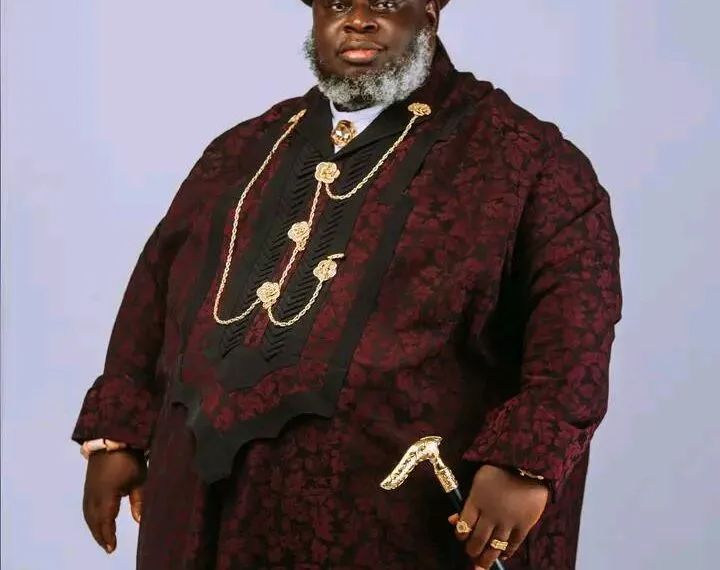
The Ijaw traditional institution has been thrown into mourning following reports of the death of His Royal Highness Moses Theophilus Kenibara VII, the Amadabo of Moko-Ama in Sangana, Akassa Kingdom, Brass Local Government Area of Bayelsa State.
The 64-year-old monarch's reported death has generated tributes from members of the Ijaw community and others who knew him through his traditional leadership and community-development activities.
Several Nigerian news outlets have linked his death to complications allegedly arising from a liposuction procedure. However, details surrounding the reported surgery, where it was performed and the precise circumstances of his death remain unclear. Neither his family nor palace authorities had publicly confirmed the alleged medical cause in the reports available at the time of publication.
The development has prompted renewed attention to the monarch's years of service and the leadership positions he occupied within the Akassa Kingdom and the wider Ijaw community.
A traditional ruler and prominent Ijaw leader
Kenibara VII was the traditional ruler of Moko-Ama, a community in Sangana within the Akassa Kingdom of Brass Local Government Area.
He ascended the throne in 2016, becoming the Amadabo of Moko-Ama. Reports about his reign describe him as a traditional leader committed to promoting unity, peace and development among his people.
Beyond his responsibilities as monarch, he served as chairman of the Akassa Clan Council of Chiefs, a traditional leadership body representing communities and royal institutions in the area. He succeeded Chief Newton Igbani-Okuru in that role.
He also served as chairman of the Central Zone of the Ijaw National Congress (INC), a prominent organization associated with the cultural identity, interests and aspirations of the Ijaw people. These positions placed him at the intersection of traditional authority, community representation and regional development. His reported death is therefore being regarded as a loss not only to Moko-Ama but also to the wider network of traditional and community institutions in which he participated.
Remembered for promoting peace and unity
Tributes following reports of his death have highlighted his commitment to peaceful coexistence and cooperation among communities in the Niger Delta. As chairman of the Akassa Clan Council of Chiefs, Kenibara VII reportedly supported efforts to strengthen unity among traditional rulers and establish a written constitution for the council.
Such initiatives were important to the coordination of traditional institutions, particularly in communities where customary authority plays a role in resolving disputes, preserving cultural heritage and representing local interests. The Niger Delta has experienced longstanding challenges involving environmental degradation, oil-related activities, insecurity and demands for improved development. Traditional rulers and community leaders often serve as intermediaries between residents, government authorities, security agencies and companies operating in the region.
Kenibara VII's leadership roles gave him opportunities to participate in these discussions and advocate for the interests of his community. Although detailed accounts of his achievements during his reign remain limited in publicly available reports, tributes have consistently described him as a figure associated with peacebuilding and community welfare.
His involvement in community security
In August 2026, the monarch was reported to have commended the Nigerian Navy over an operation that resulted in the arrest of suspected criminal elements in the Akassa area.
In his public comments, he reportedly described the operation as timely and said it had brought relief to residents affected by insecurity.
The statement highlighted the role of traditional authorities in communicating community concerns and cooperating with security agencies to address criminal activity.
For residents of riverine communities, security is closely connected to fishing, transportation, local commerce and access to essential services. Criminal activity can disrupt livelihoods and undermine confidence in local institutions.
Kenibara VII's reported support for the Navy's operation formed part of his public engagement on security matters in the area.
Questions remain over reported liposuction complications
The reports linking the monarch's death to liposuction have also drawn attention to the risks associated with cosmetic surgery. Liposuction is a surgical procedure designed to remove localized fat deposits. Although it is commonly performed, it is not risk-free and should not be regarded as a minor cosmetic treatment.
Potential complications include bleeding, infection, blood clots, adverse reactions to anaesthesia and fluid imbalances. Rarely, serious complications can become life-threatening.
Medical professionals generally advise prospective patients to undergo proper medical assessment, understand the risks and ensure that procedures are performed by appropriately qualified practitioners in facilities equipped to manage emergencies.
Nevertheless, the risks associated with the procedure do not establish what happened in an individual case. Without an official medical statement, coroner's findings or other reliable confirmation, it would be premature to conclude that liposuction caused Kenibara VII's death or to attribute responsibility to any particular medical facility or practitioner. Further clarification from the family, palace authorities or relevant medical authorities would help establish the circumstances surrounding his passing.
A loss for Moko-Ama and the Akassa Kingdom
The reported death leaves a significant gap in the traditional leadership of Moko-Ama, where the monarch served as a custodian of local customs and a representative of the community.
His passing is also being mourned within the Ijaw community because of his leadership roles beyond the immediate boundaries of his kingdom. As tributes continue, attention is expected to turn to funeral arrangements and the customary procedures that will guide the community's response to the loss of its traditional ruler.
For now, Kenibara VII is being remembered for his years on the throne, his participation in the Akassa Clan Council of Chiefs and his role in the Central Zone of the Ijaw National Congress.
While questions about the medical circumstances of his death remain unanswered, his reported passing marks the end of a chapter in Moko-Ama's traditional leadership and leaves his community to reflect on his service and legacy.