Bangladesh Floods: Heavy Rains and Flash Floods Leave 51 Dead, Thousands Displaced
Heavy monsoon rains and flash floods have killed at least 51 people across Bangladesh, displacing thousands and damaging homes, roads and farmland as authorities intensify rescue and relief efforts.
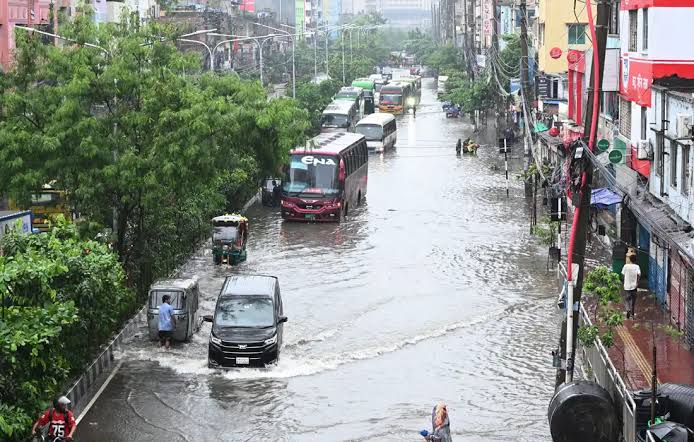
At least 51 people have lost their lives after days of relentless monsoon rains and flash floods swept across large parts of Bangladesh, triggering one of the country's latest humanitarian emergencies and forcing thousands of residents from their homes.
Authorities said the death toll could rise as rescue teams continue searching affected communities while emergency responders work to reach isolated villages cut off by rising floodwaters.
The severe weather has inundated homes, submerged roads and bridges, damaged crops, and disrupted transportation networks across several districts, leaving many communities without electricity, clean drinking water and access to essential services.
Bangladesh's disaster management authorities have mobilized rescue teams, emergency shelters and relief supplies as the government intensifies efforts to support affected families.
Widespread Flooding Across Multiple Districts
The flooding followed days of torrential rainfall that caused rivers to overflow, rapidly inundating low-lying communities.
Flash floods struck several northeastern and southeastern districts, where swollen rivers and poor drainage systems contributed to widespread destruction.
Entire neighborhoods were submerged as residents rushed to higher ground with whatever belongings they could carry.
Local authorities reported that many victims died after being swept away by powerful floodwaters, while others were killed in landslides, collapsing structures and weather-related accidents.
Emergency officials warned that floodwaters remain dangerously high in several areas despite signs that rainfall has eased in some regions.
Thousands Forced into Emergency Shelters
The disaster has displaced thousands of people, many of whom are now taking refuge in government-designated emergency shelters established in schools, community centers and public buildings.
Relief agencies provide food, drinking water, clothing, blankets and medical assistance to affected families.
However, humanitarian organizations say the scale of the disaster presents enormous logistical challenges, particularly in remote communities where transportation has been severely disrupted.
Rescue boats have become the primary means of reaching many flood-hit villages after roads became impassable.
Authorities continue evacuating vulnerable residents as meteorological agencies warn that additional rainfall remains possible.
Infrastructure and Agriculture Hit Hard
The floods have caused extensive damage to public infrastructure, including roads, bridges, embankments and electricity facilities.
Several highways have experienced temporary closures due to flooding, while rail services have also been disrupted in affected regions.
Agriculture has suffered significant losses as thousands of hectares of cropland remain underwater.
Farmers fear that rice fields, vegetable farms and fisheries have sustained severe damage that could affect food production and household incomes for months.
Livestock losses have also been reported in several rural communities where floodwaters rose too quickly for animals to be evacuated.
Health Risks Increasing
Public health officials have expressed concern about the growing risk of waterborne diseases as floodwaters contaminate drinking water sources.
Medical teams have been deployed to emergency shelters to provide healthcare services and monitor vulnerable populations, including children, pregnant women and elderly residents.
Authorities are distributing water purification tablets and hygiene supplies while encouraging residents to avoid consuming contaminated water.
Health experts warn that outbreaks of diarrheal diseases, skin infections and mosquito-borne illnesses often increase following major flooding events.
Emergency vaccination campaigns may also be implemented if required.
Government Intensifies Relief Efforts
The Bangladesh government has activated emergency response mechanisms to coordinate rescue operations and humanitarian assistance.
Military personnel, police officers, firefighters and volunteers have joined disaster management agencies in rescue and evacuation missions.
Government officials said relief materials, including rice, dry food, medicine and financial assistance, are being distributed to the worst-affected communities.
Authorities have also instructed local administrations to conduct damage assessments that will guide rehabilitation and reconstruction efforts after floodwaters recede.
Prime Ministerial officials expressed condolences to families who lost loved ones and pledged continued government support throughout the recovery process.
Climate Change and Monsoon Challenges
Bangladesh remains one of the country’s most vulnerable to climate-related disasters because of its low-lying geography and extensive river systems.
Every year, seasonal monsoon rains bring the risk of flooding, but scientists warn that climate change is contributing to increasingly intense rainfall and more frequent extreme weather events.
Environmental experts note that rising sea levels, changing rainfall patterns and rapid urbanization have increased the country's vulnerability to devastating floods.
International climate organizations continue to advocate greater investment in flood-control infrastructure, resilient housing, early warning systems and disaster preparedness programs.
International Support
Humanitarian organizations are closely monitoring the situation and have expressed readiness to assist government relief efforts where necessary.
Several international aid agencies are working alongside local authorities to provide emergency supplies, healthcare and sanitation support for displaced populations.
The United Nations and development partners have also emphasized the importance of protecting vulnerable communities from secondary humanitarian crises, including disease outbreaks and food insecurity.
Recovery Expected to Take Months
While rescue operations remain the immediate priority, officials acknowledge that recovery from the disaster will require substantial financial resources and long-term planning.
Engineers will assess damaged roads, bridges and public facilities once floodwater recedes, while agricultural experts will evaluate crop losses and recommend support for affected farmers.
Community leaders have urged authorities to strengthen flood defenses and improve drainage systems to reduce the impact of future disasters.
As Bangladesh continues battling the devastating consequences of the floods, emergency responders remain on the front lines, working tirelessly to save lives and deliver relief to isolated communities.
With weather forecasts indicating the possibility of further rainfall in parts of the country, authorities have urged residents in flood-prone areas to remain alert, heed evacuation orders and follow official safety advisories as rescue and recovery efforts continue. (REUTERS)