Australian MP Helen Haines Loses Both Legs After Alleged Deliberate Car Attack
Australian MP Helen Haines has lost both legs after allegedly being struck twice by a vehicle outside her office in Wangaratta. Police have charged a suspect as investigations continue.
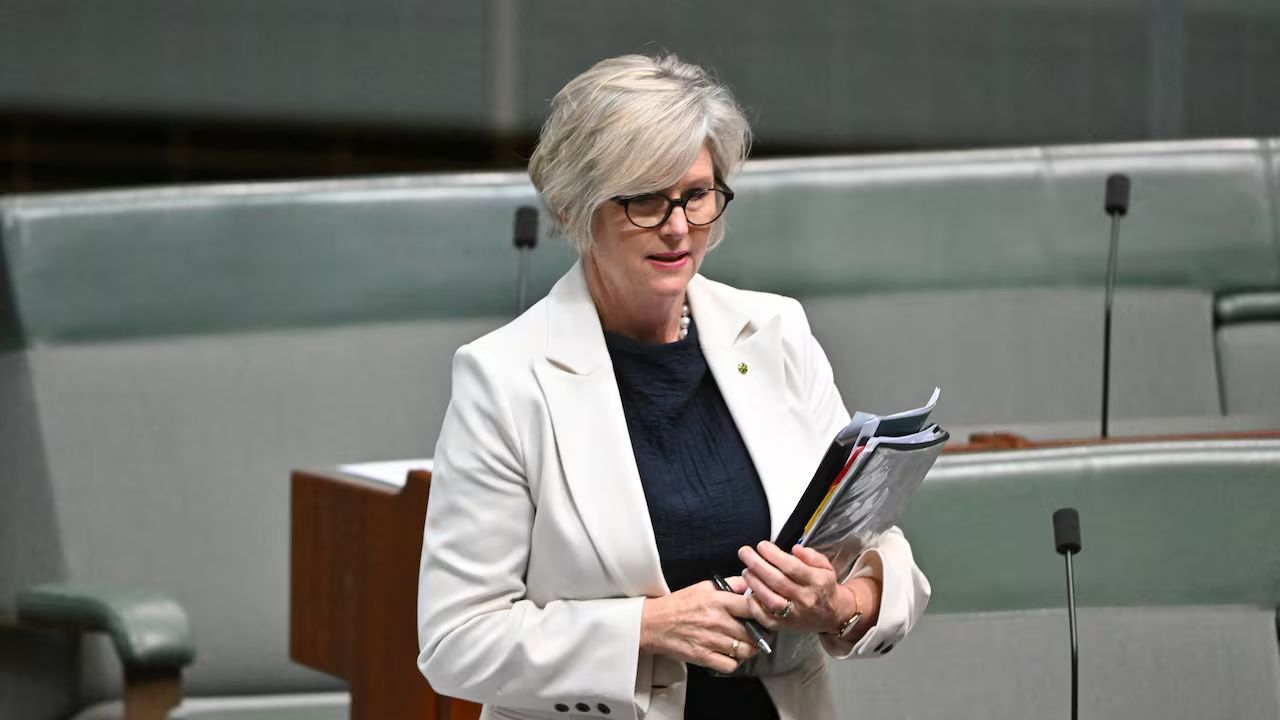
Australian independent parliamentarian Helen Haines has lost both legs after allegedly being struck twice by a vehicle outside her electorate office in Wangaratta, Victoria, in an incident police are investigating as a targeted attack.
The 65-year-old federal representative for Indi remains in hospital in Melbourne, where her husband, Phil Haines, confirmed on Wednesday, October 21, 2026, that surgeons had amputated both legs following the severe injuries she sustained on Monday.
The attack has shocked Australia, where politicians generally maintain close contact with their constituents and serious physical attacks on elected representatives remain relatively uncommon.
Speaking to reporters outside the hospital, Phil Haines said his wife was alive and stable, expressing relief that she had survived despite the devastating injuries.
Doctors initially amputated her left leg on Monday before removing her right leg on Wednesday after efforts to save it proved unsuccessful. (The Guardian)
MP allegedly struck twice outside her office
The incident occurred on Monday, October 19, outside Haines' electorate office in Wangaratta, a regional town in northeastern Victoria, more than 200 kilometres from Melbourne.
According to police allegations, a Toyota Land Cruiser struck the lawmaker twice. Reports indicate that members of the public intervened to restrain the driver before police arrived.
Haines sustained critical lower-body injuries and was airlifted to The Alfred hospital in Melbourne for emergency treatment.
The severity of her injuries required immediate surgical intervention. Although doctors initially managed to save one of her legs, her condition ultimately necessitated a second amputation.
The attack prompted an immediate police investigation, with authorities examining the circumstances surrounding the incident and the suspected driver's actions.
Australian officials have described the incident as deeply disturbing, while residents and political colleagues have expressed concern for the MP's recovery.
The case has also renewed discussion about the risks elected representatives face while carrying out their duties in local communities.
Suspect charged as police investigate motive
A 43-year-old man, identified as Brendan Nugent, has appeared before the Wangaratta Magistrates' Court in connection with the incident.
He faces charges including dangerous driving causing serious injury, intentionally causing serious injury and causing harm to a Commonwealth public official. Additional cannabis-related charges have also been reported.
Police allege the incident was targeted, although investigators have yet to establish a definitive motive publicly.
Authorities have said they found no evidence of direct previous contact between Haines and the accused that would explain the alleged attack. Investigators are examining the circumstances and any possible reasons behind the incident.
Counterterrorism personnel have joined the wider investigation, reflecting the seriousness of an alleged attack against an elected federal representative. Their involvement does not, by itself, establish that the incident was terrorism-related.
The accused appeared in court on Wednesday. According to Reuters, his lawyer raised concerns about his health, including a rare neurological condition and a concussion, as well as possible mental health issues.
Those matters remain separate from the question of criminal responsibility, which will be determined through the legal process.
The accused is entitled to the presumption of innocence unless proven guilty in court.
Who is Helen Haines?
Haines has represented the federal electorate of Indi in Victoria since 2019. She is an independent politician with a professional background in nursing, midwifery and academia.
Before entering federal politics, she built a career in healthcare and education, experiences that have informed her interest in public services and regional communities.
As an independent member of parliament, she has advocated for issues affecting regional Australia, including healthcare access, housing, climate change and government accountability.
Her political career has also included work on establishing Australia's National Anti-Corruption Commission, an institution created to investigate and address serious or systemic corruption in the federal public sector.
Her constituents have described her as an active representative who maintains close connections with the people she serves.
The attack has therefore had a profound impact not only on her family but also on the regional community she represents.
Tributes have been laid near her electorate office as residents seek to express their support and condemn the violence. (The Guardian)
Australian leaders condemn political violence
The incident has triggered widespread condemnation across Australia's political establishment.
Prime Minister Anthony Albanese expressed shock over the attack, while political leaders from different parties voiced support for Haines and her family.
The case has intensified concerns about the safety of public officials, particularly those who regularly meet constituents in local offices without extensive personal security.
Australian politicians have traditionally enjoyed relatively open access to their communities, allowing residents to raise concerns directly with their elected representatives.
However, increasing hostility, online abuse and threats against public officials have prompted questions about whether existing security arrangements are sufficient.
The challenge facing authorities is how to improve protection for politicians without undermining the accessibility that is central to representative democracy.
The Australian Federal Police has indicated that it had no specific intelligence warning of an imminent threat against Haines before the incident.
This has raised difficult questions about how authorities can protect public officials from sudden acts of violence when no identifiable warning has been received.
Officials are expected to continue assessing the case as part of broader discussions about security and threats against elected representatives.
Concerns over safety of public officials
The attack has highlighted the vulnerability of politicians who work directly with their constituents in regional communities.
Electorate offices are designed to provide accessible points of contact between representatives and the public. Yet that openness can create security challenges, particularly when officials encounter individuals whose intentions are unknown.
Security experts and political observers face the difficult task of balancing public access with appropriate protective measures.
Possible responses include improved threat assessment, stronger coordination between law enforcement agencies, staff training and security reviews for constituency offices.
However, the circumstances of Haines' case remain under investigation, and authorities have not established that a particular security failure contributed to the incident.
The case also serves as a reminder that political disagreements must be addressed through democratic debate and lawful processes rather than violence.
Recovery and investigation continue
As Haines receives medical care, her family has expressed gratitude for the support shown by the public and the medical professionals treating her.
Her husband has emphasised that she remains alive and stable, offering a measure of hope amid the seriousness of her injuries.
The coming days will be important for her medical recovery, while police continue investigating the alleged attack and the legal process involving the accused proceeds.
For Australia's political community, the incident represents a sobering moment that has renewed calls for respectful public discourse and greater attention to the safety of elected representatives.
Conclusion:
Helen Haines' loss of both legs following the alleged vehicle attack in Wangaratta has shocked Australia and drawn attention to the dangers faced by public officials. While the investigation continues, the case has prompted renewed calls to protect democratic institutions, strengthen appropriate security measures and reject violence against political representatives.