Australian Mother Jailed for Faking Son’s Cancer to Fund Lavish Lifestyle
An Australian mother has been sentenced to more than four years in prison after faking her six-year-old son’s cancer diagnosis to raise donations and finance an extravagant lifestyle.
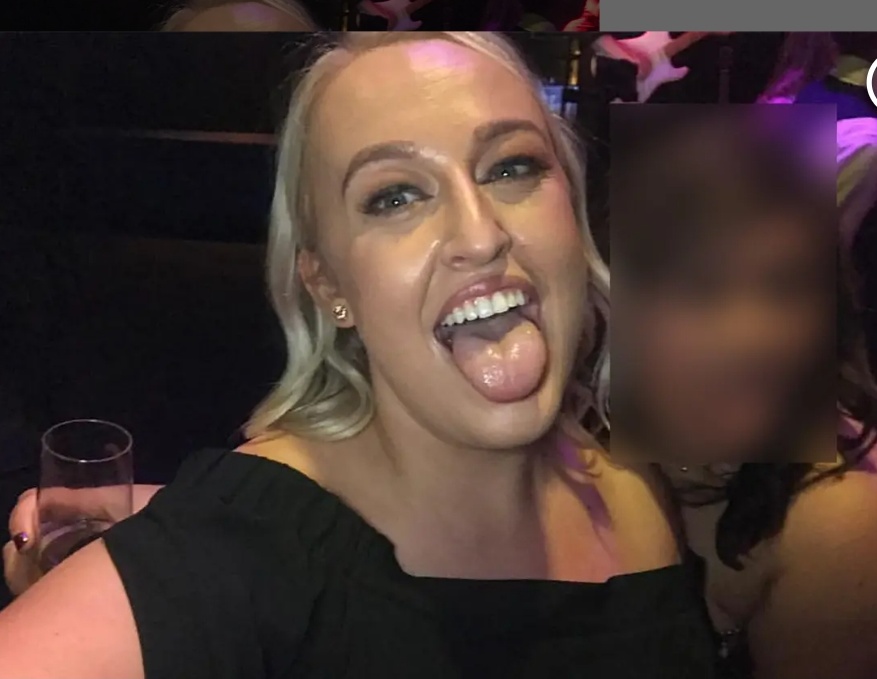
An Australian mother has been jailed after orchestrating a shocking scam in which she falsely claimed her young son had cancer to collect donations and support a lavish lifestyle. The disturbing case has sparked outrage across Australia, with the sentencing judge describing the woman’s conduct as cruel, manipulative, and a form of child abuse.
The 45-year-old woman from Adelaide, South Australia, was sentenced to four years and three months in prison after pleading guilty to multiple charges, including deception and acts likely to cause harm to her child. The case has horrified the public because the boy, just six years old at the time, was used as the centerpiece of a carefully planned fraud. (ABC News)
How the Scam Was Carried Out
According to court findings, the mother shaved her son’s head and eyebrows, wrapped his head and hands in bandages, and placed him in a wheelchair to create the appearance of a child undergoing cancer treatment. She told family members, friends, and members of the local school community that the boy had eye cancer and needed urgent radiotherapy.
The deception began after the child was taken to an eye specialist following an unrelated issue. Medical examinations reportedly found no cancer or serious disease. Despite this, the mother told her husband and others that scans had revealed tumors on the boy’s optic nerve and that he required eight rounds of treatment.
She then launched a fundraising campaign through social media and community networks. Posts showed the boy appearing sick and bandaged, accompanied by pleas for prayers and financial support.
Donations Used for Lifestyle Spending
Investigators said more than 50 payments were made into a bank account opened in the child’s name, while additional cash donations were handed directly to the family. Reports indicate that thousands of dollars were collected through the fraudulent campaign.
Prosecutors argued that rather than using the money for medical treatment, the woman spent it maintaining an expensive lifestyle and purchasing luxury brands. Court proceedings also revealed she had been living beyond her means and was under financial pressure. (Saudi Gazette)
The judge rejected claims that financial hardship alone explained the behavior, stating that the elaborate deception appeared to be driven in part by a desire for attention and sympathy.
Child Suffered Physical and Psychological Harm
Perhaps the most disturbing aspect of the case was the suffering inflicted on the child himself. The court heard that the boy was given non-prescribed supplements and medications, forced to miss school, isolated from friends, and led to believe he was seriously ill.
Judge Geraldine Davison said the mother’s actions created fear and anxiety in the child and caused both physical and emotional harm. Adhesive bandages were repeatedly placed on and removed from his skin, causing pain.
The judge described the conduct as “a form of child maltreatment and child abuse,” noting that the boy trusted his mother completely and relied on her for safety and care.
Husband Also Betrayed
The woman’s husband was initially arrested during the investigation, but charges against him were later dropped after authorities determined he was unaware of the scam.
In a victim impact statement read in court, he said the deception had destroyed the family and deeply traumatized the children. He described feeling manipulated and used, saying he had trusted his wife and never doubted her claims about their son’s illness.
Outside the court after sentencing, he told reporters that no punishment could undo the damage done to the children.
Gambling Problem and Mental Health Claims
During the sentencing hearing, defence lawyers argued that the woman had developed a gambling addiction after the COVID-19 pandemic and that financial stress contributed to her actions. They also said she had been diagnosed with borderline personality disorder.
However, the court found that while these issues may have formed part of the background, they did not excuse the calculated and sustained nature of the deception.
Judge Davison said the scheme involved repeated lies, manipulation of an entire community, and serious abuse of public trust.
Prison Sentence and Parole Date
The court sentenced the woman to four years and three months in custody, with a non-parole period of two years and four months. She is expected to be eligible to apply for parole in April 2027.
The judge ruled that the sentence had to be served in prison because the community would be outraged if someone responsible for such conduct were allowed to serve the punishment outside custody.
Public Reaction
The case has drawn comparisons to other high-profile frauds involving fake illnesses, but many observers say this incident is particularly disturbing because a child was directly used as a prop in the scheme.
Parents and donors who contributed money reportedly expressed feelings of shock, shame, and betrayal. Many said they struggled to understand how someone could exploit sympathy for a sick child for personal gain.
A Warning to Communities
This case serves as a painful reminder of how emotional fraud can manipulate communities. While generosity and compassion remain vital, authorities say people should be cautious when responding to fundraising appeals that lack independent verification.
For the young boy at the centre of the scam, the hope now is that he can recover from the trauma and rebuild a normal childhood free from deception and fear.