Atiku Takes Early Lead, Wins 5 States in ADC Presidential Primary Election Amid High-Stakes Contest
Former Vice President Atiku Abubakar has taken an early lead in the ADC presidential primary, winning five states as the African Democratic Congress election unfolds amid intense political competition.
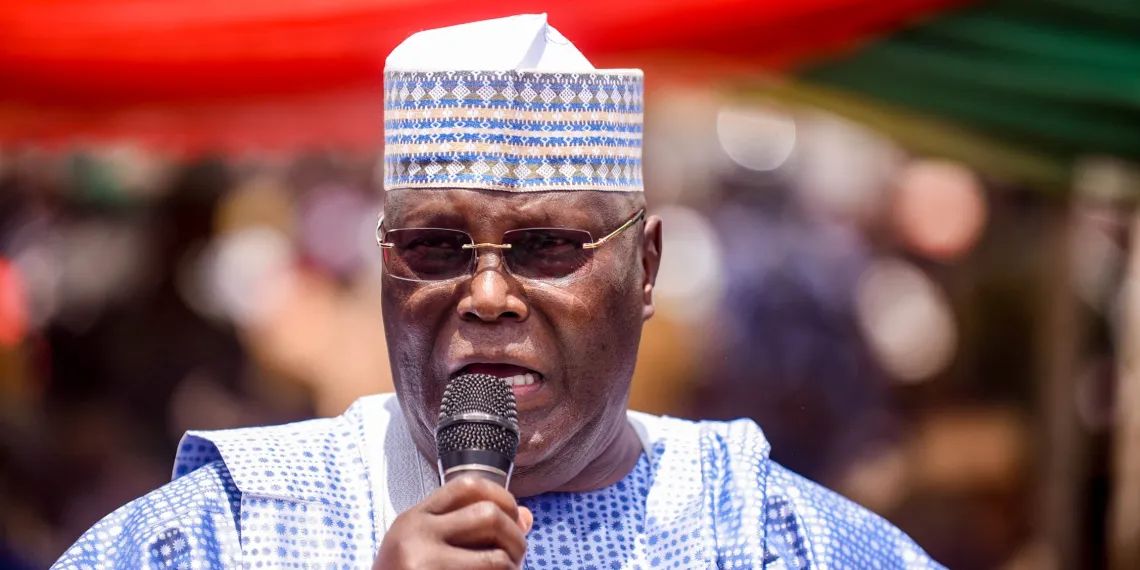
Former Vice President Atiku Abubakar has emerged as an early frontrunner in the ongoing presidential primary election of the African Democratic Congress (ADC), securing victories in five states as delegates cast their votes in a tightly contested race that is reshaping Nigeria’s 2027 political landscape.
The primary election, held across designated venues nationwide, has drawn significant attention from political observers due to the high-profile nature of the candidates involved and the potential realignment of opposition forces ahead of the next general election.
According to early collation reports released by the party’s electoral committee, Atiku has won delegate votes in five states, placing him in a strong early position as counting continues in other regions.
Early Results Show Strong Momentum for Atiku
Party officials confirmed that results from several state chapters indicate Atiku’s strong performance among delegates, particularly in states where his political influence has historically remained significant.
Sources within the ADC electoral committee said the former vice president secured decisive wins in five states during the first phase of collation, giving him an early advantage over other contenders.
Although the full list of competing aspirants has not yet been officially finalized, political insiders say the race includes several prominent opposition figures seeking to challenge the dominance of the ruling party in the next general election.
Observers note that Atiku’s early lead reflects his longstanding national political structure, built over decades of participation in Nigerian politics and multiple presidential bids.
A Familiar Political Heavyweight in a New Arena
Atiku Abubakar, a veteran politician and businessman, has remained one of Nigeria’s most persistent presidential contenders.
Having previously served as Vice President between 1999 and 2007, Atiku has contested several presidential elections under different political platforms, consistently maintaining a strong national support base.
His participation in the ADC primary marks a significant shift in Nigeria’s opposition politics, as parties continue to reposition ahead of the next election cycle.
Political analysts say his entry into the ADC contest has raised the profile of the party, traditionally considered a smaller opposition platform compared to larger political structures.
ADC Primary Draws National Attention
The African Democratic Congress primary has become a focal point in Nigeria’s evolving political environment, particularly as opposition groups seek to consolidate strength against the ruling establishment.
Delegates from across Nigeria’s 36 states and the Federal Capital Territory gathered at designated venues to participate in the voting process, which party officials described as peaceful and transparent.
Security personnel were deployed across all collation centers to ensure order during the exercise, while independent observers monitored proceedings.
Party leaders have emphasized their commitment to conducting a credible and democratic selection process that reflects the will of party members.
Political Realignments Ahead of the General Election
Atiku’s strong showing in the ADC primary is already triggering discussions about broader political realignments within Nigeria’s opposition landscape.
Analysts suggest that his participation could influence coalition-building efforts aimed at challenging the dominance of the ruling party in the next general election.
Nigeria’s opposition politics have historically been fragmented, with multiple parties struggling to unify behind a single candidate.
However, Atiku’s presence in the race may catalyze renewed negotiations among opposition blocs seeking a unified front.
Delegates Cite Experience and National Reach
Supporters of the former vice president say his early success in the primary reflects confidence in his political experience, national appeal, and longstanding involvement in governance and economic policy discussions.
Delegates from several states reportedly cited his extensive political network and familiarity with national issues as key reasons for their support.
Some party members also emphasized the need for a candidate with national recognition and political experience capable of competing effectively in a general election.
Competition Remains Tight as More States Collate Results
Despite Atiku’s early lead, party officials caution that the primary remains open as votes from additional states are still being collated.
Other aspirants are expected to gain ground as results from remaining regions are announced.
ADC electoral committee members have urged stakeholders to remain patient and allow the process to conclude before drawing final conclusions.
They also emphasized that the primary process is being conducted in accordance with internal party guidelines and Nigeria’s electoral regulations.
Political Analysts Weigh Implications
Political commentators say Atiku’s early performance could significantly shape the direction of the ADC and broader opposition politics in Nigeria.
Some analysts argue that his participation strengthens the party’s visibility and credibility, while others warn it could overshadow emerging political figures within the ADC structure.
There are also questions about how his candidacy might influence future coalition negotiations among opposition parties.
According to analysts, the outcome of the ADC primary could become a key determinant in shaping Nigeria’s political alliances ahead of the next election cycle.
Security and Electoral Conduct Praised
Election observers have described the conduct of the primary as largely peaceful, with minimal reports of disruptions across collation centers.
Security agencies maintained a strong presence throughout the voting process, ensuring that delegates were able to cast their votes without interference.
Party officials expressed satisfaction with the overall organization of the exercise, noting that transparency measures were being strictly followed.
Conclusion
As collation continues, Atiku Abubakar’s early lead in five states places him in a strong position in the ADC presidential primary election.
However, with results still being finalized across several regions, the race remains open and highly competitive.
The outcome of the primary is expected to have far-reaching implications for Nigeria’s opposition politics and the broader 2027 electoral landscape.
For now, all eyes remain on the African Democratic Congress as it moves closer to announcing its official presidential candidate.