Atiku Tackles Tinubu Over Police Exit Bill, Demands Answers on Delayed Assent
Atiku Abubakar challenges President Tinubu over the delayed Police Exit Bill, citing pension hardship among retired officers and demanding urgent action on police welfare, salaries and healthcare.
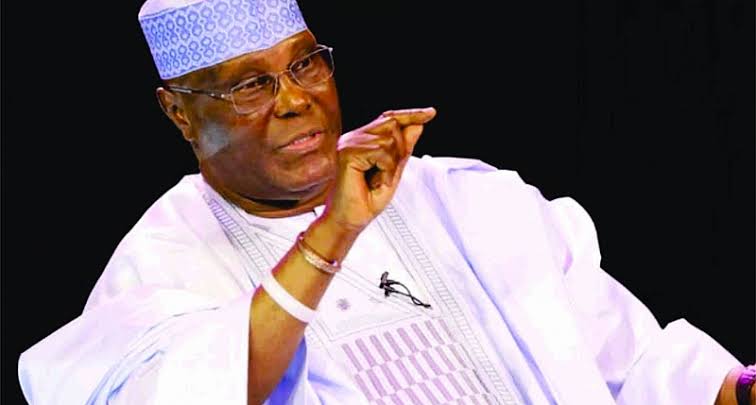
Former Vice-President Atiku Abubakar has challenged President Bola Tinubu to explain the delay in acting on the Police Exit Bill, accusing the Federal Government of failing to adequately address the pension and welfare challenges facing serving and retired police officers.
Atiku, who is associated with the African Democratic Congress (ADC), made the demand on Sunday, October 18, 2026, as he called for urgent action on the legislation, a review of police salaries and measures to improve retirement benefits for officers who have served the country.
In a statement issued by Phrank Shaibu, Director of Strategic Communication of the ADC Presidential Campaign Council, Atiku alleged that some retired police personnel were struggling to afford basic necessities despite decades of service, while some serving officers were withdrawing money from their pension savings to support their families.
The former vice-president said the situation demanded an immediate government response, particularly as the country continued to face significant security challenges.
Atiku said the bill was transmitted to Tinubu in March and questioned why the President had yet to make his position known. (Vanguard)
The dispute has renewed attention on police retirement arrangements, the proposed changes to the pension system and the constitutional procedures governing presidential assent to legislation.
Atiku cites retired officer receiving ₦29,000 monthly pension
Atiku highlighted the reported hardship experienced by retired police personnel, citing the case of a retired Assistant Superintendent of Police who allegedly receives a monthly pension of just ₦29,000.
He questioned how former officers could meet the rising costs of food, transportation, medicine and other essential needs on such an amount.
The former vice-president also said the retired officer had informed him that more than 120 members of his association had died over the previous three years.
These figures were presented by Atiku as part of his argument for urgent pension reform; they have not been independently established by the reports cited.
He also recounted the case of a retired Assistant Commissioner of Police who allegedly resorted to begging at the Central Mosque in Abuja after struggling to find work following retirement.
Atiku said members of his team intervened to assist the woman, but argued that individual acts of assistance could not replace a dependable pension system.
He further referred to a retired officer in Bauchi who reportedly resorted to gathering firewood for sale to afford food.
“These officers enforced Nigeria’s laws for decades. They should not have to beg outside the legislature for its members to act,” Atiku said (The Guardian)
What is the Police Exit Bill?
The Police Exit Bill seeks to remove members of the Nigeria Police Force from the Contributory Pension Scheme and establish a dedicated pension arrangement through a Nigeria Police Force Pension Board.
Under the proposed arrangement, police retirement benefits would be managed through a separate institutional framework rather than the existing contributory system.
The legislation has attracted attention from serving officers and retirees who have raised concerns about the adequacy of pension payments and the sustainability of retirement benefits.
Supporters of the proposed change argue that police personnel face distinctive occupational risks and should have a retirement structure that adequately recognises their service.
However, the financial implications, funding arrangements and administrative requirements of a separate pension system remain important considerations in determining how any reform would operate.
Atiku said the bill was sent to Tinubu in March 2026 and argued that the delay required an explanation.
Invoking Section 58 of the 1999 Constitution, he maintained that the President had 30 days to indicate whether he would assent to the legislation or withhold assent.
He called on the National Assembly to publish the bill's formal status, obtain an explanation for the delay and clarify the constitutional options available.
The precise legislative status and the applicable next steps should be confirmed through official National Assembly records and legal interpretation rather than relying solely on Atiku's account.
Atiku demands salary review for serving police officers
Beyond the retirement bill, Atiku called for an urgent review of police salaries following a pay increase approved for members of the Armed Forces.
He alleged that some serving officers had withdrawn as much as 25 per cent of their pension savings to cover household expenses.
According to him, the rising cost of living has placed pressure on police personnel who must provide for their families while performing demanding and potentially dangerous duties.
Atiku argued that inadequate remuneration could undermine officers' financial security and leave them vulnerable to hardship even before retirement.
His demands included improved salaries, more reliable pension administration and clearer records of officers' contributions and retirement entitlements.
The debate comes against the background of Nigeria's wider security challenges, including kidnappings, armed robbery, banditry and other violent crimes. Police welfare is an important policy consideration because personnel are expected to carry out frontline security responsibilities while maintaining professional standards.
However, improved remuneration would need to be accompanied by transparent funding, effective oversight and reforms that ensure benefits reach eligible officers.
Atiku unveils Police Dignity Guarantee Plan
The former vice-president also outlined a proposed Police Dignity Guarantee Plan, which he said he would implement if elected president in 2027.
The proposal includes auditing and settling verified pension arrears and gratuity claims according to published payment schedules.
It would also establish a minimum pension benchmark, subject to periodic reviews that reflect changes in the cost of living.
Other proposed measures include insured healthcare for serving and retired officers, medical treatment for personnel injured in the line of duty and timely assistance for families of officers killed while serving.
Atiku further promised home-based verification for retirees whose health prevents them from travelling to complete pension-related procedures.
Under the plan, officers approaching retirement would receive clear records of their pension contributions and entitlements, a designated contact for resolving disputes and information about expected payment dates.
He said the programme would be supported by budgetary provisions and public reporting on payments made.
These commitments remain campaign proposals, and their implementation would depend on funding, administrative capacity and the relevant legal and institutional arrangements.
Conclusion
Atiku's challenge to Tinubu over the Police Exit Bill has brought renewed attention to the welfare of serving and retired police officers, particularly concerns about pension adequacy, salary levels and access to healthcare.
His central demand is that the President clarify the status of the legislation and that the National Assembly establish what steps are constitutionally available to resolve the matter.
The next significant development will be an authoritative clarification of the bill's status and any formal decision by the President or the legislature.
For police personnel and their families, the wider issue extends beyond the fate of a single bill: it is whether Nigeria can establish a sustainable retirement system that provides adequate, predictable benefits to those who have served in the country's security institutions.