Atiku’s Request for Tinubu’s Resignation As Insecurity Threatens Nigeria’s Global Credibility
Former VP Atiku Abubakar demands President Tinubu resign over mounting terror attacks and lack of transparency, warning that Nigeria’s international reputation is being undermined by security failures.
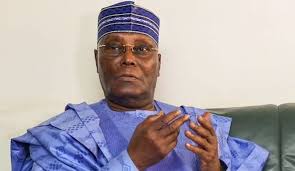
Former Vice President Atiku Abubakar has issued a scathing rebuke of President Bola Tinubu, calling for his resignation unless he decisively addresses the spiraling terrorism in Nigeria. At the heart of Atiku’s criticism is the recent ambush and killing of Brigadier General Musa Uba by ISWAP - a moment he argues reflects not just a security failure, but a serious blow to the nation’s global standing. - THISDAYLIVE
A National Tragedy With International Reverberations
ISWAP claimed responsibility for the killing of General Uba - the commander of the 25 Task Force Brigade - after an ambush on a military convoy in Borno State. Atiku expressed deep shock at the incident and condemned what he described as a “bold terrorist resurgence.” - Independent Newspaper Nigeria
He also lambasted the military leadership for its lack of clarity about how the general died - noting that early denials, contradictions, and a failure to provide an honest account undermine not just public trust, but national pride. - The Sun
Political Priorities Over National Security?
Atiku directly accuses President Tinubu of prioritizing political battles over his role as Commander-in-Chief. In his words, “the President seems only more interested in decimating the opposition … while forgetting his crucial role” in ensuring national security.
Beyond that, Atiku warns that if Tinubu cannot fulfil his primary duty of protecting Nigerians, he should either ask for help or step aside. He argues that leadership requires humility, especially in the face of growing terror threats.
The International Image at Risk
Atiku’s challenge goes beyond internal politics. He warns that the failure to secure the country has international consequences:
Credibility as a State: The execution of a senior military officer by a terrorist group projects instability, undermining confidence in Nigeria’s capacity to handle insurgency.
Foreign Investment & Trust: Global investors monitor how countries handle internal threats. Persistent insecurity erodes investor confidence and weakens Nigeria’s appeal as a stable business destination.
Diplomatic Clout: A government that cannot guarantee the safety of its own generals risks losing moral authority on the world stage - especially among partners in the fight against terror.
Soft Power Damage: Repeated terror attacks and lack of transparency damage Nigeria’s narrative abroad, making it harder to project strength or lead on continental and global security agendas.
Atiku’s Alternative Plan
Atiku did not just criticize - he offered a different vision. In his statement, he proposed that he would deploy the military to hold territory in Borno or any state under siege until peace returns. He emphasized the need to show genuine commitment to the soldiers on the frontlines and to Nigerians who are watching.
This kind of bold strategy, Atiku suggests, would send a clear signal to both terrorists and the international community that Nigeria is serious about winning the war.
The Stakes Are High - Internationally and Domestically
Atiku’s demand is not purely political theatre. His warning taps into something larger:
National morale: Losing a senior commander is a blow to the military and the public. How the government handles it affects national unity.
Regional security: Nigeria's instability affects West Africa and beyond. Neighbours and allies will watch closely how this moment is handled.
Global perception of governance: For a rising African power, allowing such attacks - and then mishandling the aftermath - undermines claims of progress and reform.
A Warning to the Presidency
Atiku is offering what he frames as an urgent but fair ultimatum: step up security leadership or step down. His point is stark - Nigeria cannot afford political showmanship when its security architecture is under threat.
In doing so, he is also speaking to global partners watching Nigeria’s handling of terror: if this government cannot secure its own generals, can it lead on big security partnerships? If it fails to communicate transparently about such a crucial loss, can it foster trust abroad?
Atiku’s call for Tinubu’s resignation is not just about political positioning. It is a profound indictment of governance, accountability, and national image.
In a world where countries are judged not just by their economic might but by their stability and reliability, Nigeria risks losing both its moral high ground and its strategic value if security continues to unravel.
The death of Brig. Gen. Musa Uba, and the confusion surrounding it, may very well be remembered not only as a domestic tragedy but as a turning point for how the world sees Nigeria’s resolve, strength, and leadership.