Atiku Gives Tinubu Seven-Day Ultimatum to Release Audit Report on ₦71.2 Trillion Ways and Means Loans
Former Vice President Atiku Abubakar has given President Bola Tinubu a seven-day ultimatum to publish the forensic audit report on the Central Bank's Ways and Means loans, citing transparency and accountability concerns.
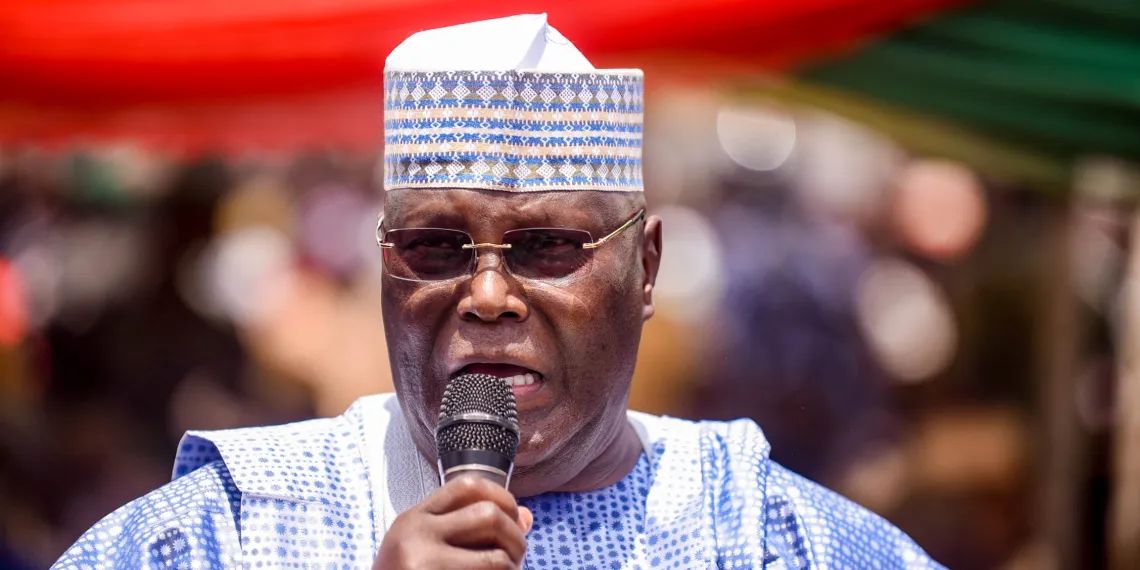
Former Vice President Atiku Abubakar has issued a seven-day ultimatum to President Bola Ahmed Tinubu, demanding the immediate release of the forensic audit report on the controversial ₦71.2 trillion Ways and Means advances granted by the Central Bank of Nigeria (CBN) to the Federal Government under the previous administration.
Atiku said Nigerians deserve full disclosure of the findings of the audit, arguing that transparency and accountability are essential to restoring public confidence in the country's management of public finances.
The former presidential candidate of the People’s Democratic Party (PDP) made the demand in a statement released through his media office, where he accused the Federal Government of remaining silent despite widespread public interest in the audit.
Call for Transparency
According to Atiku, the forensic audit was commissioned to uncover how the massive Ways and Means facility was managed and whether due process was followed in approving and disbursing the loans.
He argued that withholding the report from the public undermines the principles of good governance and accountability.
"The Nigerian people have a right to know the true state of affairs regarding the Ways and Means advances. Any continued delay in publishing the report only fuels suspicion and weakens public trust in government institutions," Atiku said.
He therefore gave the Tinubu administration seven days to make the report public, warning that failure to do so would reinforce concerns that the government was unwilling to be transparent about the country's financial obligations.
Background to the Ways and Means Loans
The Ways and Means facility allow the Central Bank of Nigeria to provide temporary financing to the Federal Government to address short-term revenue shortfalls.
However, concerns grew over the years as the outstanding balance reportedly ballooned to approximately ₦71.2 trillion, far exceeding the limits prescribed under the CBN Act.
The National Assembly in 2023 approved the securitization of the debt, converting the advances into long-term government securities in a move aimed at easing pressure on public finances.
The decision generated significant debate among economists, lawmakers and civil society organisations, with critics arguing that the process lacked sufficient transparency and parliamentary oversight.
Supporters of the move, however, maintained that restructuring the debt was necessary to improve fiscal sustainability and strengthen the Federal Government's balance sheet.
Audit Ordered to Review Transactions
To address lingering concerns, the Federal Government commissioned a forensic audit to examine the disbursement and utilisation of the Ways and Means advances.
The audit was expected to determine whether the borrowing complied with existing financial regulations, assess how the funds were spent and recommend measures to improve fiscal discipline.
Despite expectations that the findings would be released publicly, the report has yet to be officially published.
This delay has continued to attract criticism from opposition politicians and transparency advocates, who insist that Nigerians deserve access to information concerning one of the country's largest public debt obligations.
Atiku Raises Accountability Concerns
Atiku argued that releasing the audit findings would demonstrate the Tinubu administration's commitment to fighting corruption and strengthening public institutions.
According to him, transparency over public borrowing is particularly important at a time when Nigerians are facing rising inflation, increased taxation and economic hardship.
He noted that many citizens are making significant sacrifices as part of ongoing economic reforms and therefore deserve clarity on how previous borrowings were incurred and managed.
The former vice president also urged anti-corruption agencies, civil society organisations and the National Assembly to ensure that the audit findings are not suppressed.
Government Yet to Respond
As of the time of filing this report, the Presidency had not issued an official response to Atiku's seven-day ultimatum.
Similarly, neither the Central Bank of Nigeria nor the Federal Ministry of Finance had commented publicly on the demand for the immediate release of the forensic audit report.
Government officials have previously stated that efforts are ongoing to improve transparency in public finance management through reforms aimed at strengthening fiscal responsibility and enhancing accountability.
However, no timeline has been announced regarding the publication of the audit findings.
Political Implications
Political analysts say Atiku's demand is likely to intensify debate over Nigeria's public debt management and fiscal transparency.
The issue could also become a major point of contention between the ruling All Progressives Congress (APC) and opposition parties as preparations gradually begin for future electoral contests.
Observers note that the release of the audit report whenever it becomes available could shape public discourse on government borrowing practices, the role of the Central Bank and broader economic governance reforms.
For many Nigerians, the report is expected to provide answers about how one of the country's largest public debt obligations accumulated and whether established financial procedures were followed throughout the borrowing process.
Until then, attention will remain on whether the Federal Government responds to Atiku's ultimatum or proceeds with its own timetable for releasing the audit findings. (DMO)