Assassination of Saif al-Islam Gaddafi: Former Libyan Leader’s Son Killed in Zintan
Saif al-Islam Gaddafi, son of former Libyan ruler Muammar Gaddafi, has been assassinated at age 53 in Zintan by unidentified gunmen. Learn what happened, his life story, political role, and implications for Libya’s fragile future.
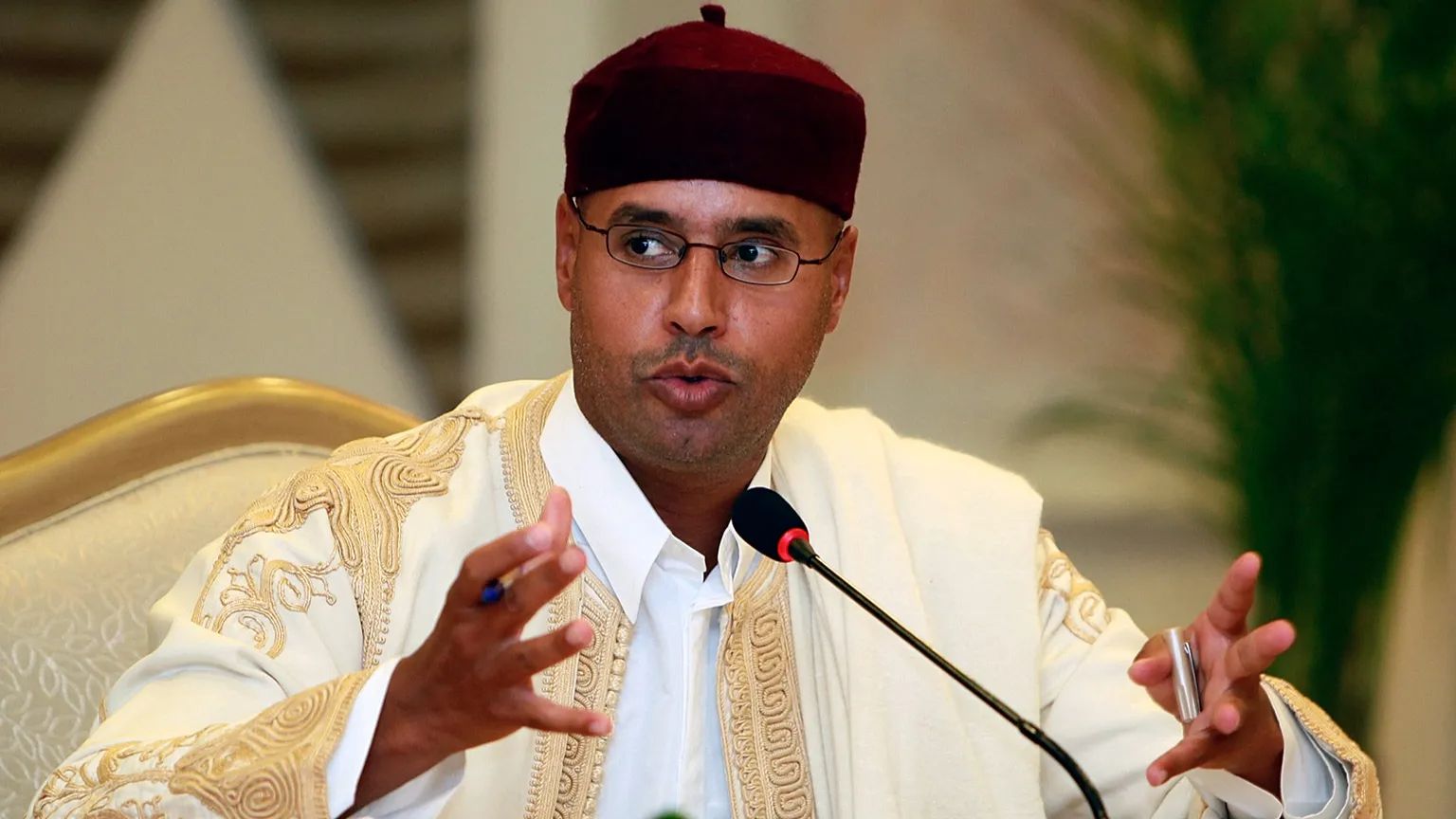
On 3 February 2026, Saif al-Islam Gaddafi, the prominent son of late Libyan ruler Muammar Gaddafi, was assassinated in his home in Zintan, western Libya after armed attackers stormed the property, marking a dramatic and violent turn in the ongoing political turmoil of the fractured North African state.
Libyan sources, family representatives, and international news agencies confirmed that four masked gunmen carried out the attack, killing the 53-year-old former regime figure and controversial political actor. Details on the responsible party and motives remain unclear, but the killing underscores the deep divisions and instability still plaguing Libya more than a decade after the 2011 uprising that toppled Gaddafi’s government. (Wikipedia)
Who was Saif al-Islam Gaddafi?
Saif al-Islam was born in June 1972 in Tripoli, the second son of Muammar Gaddafi, who ruled Libya for over 40 years until a NATO-backed rebellion in 2011. While not holding an official government position for most of his life, Saif emerged as one of the most influential figures in Libya’s former ruling circle and was widely considered his father’s heir apparent before the regime’s collapse.
Educated in the United Kingdom, including advanced study at the London School of Economics, Saif was once seen as a “reformist” face of the Gaddafi regime - advocating modernization and improved diplomacy with the West in the early 2000s. He led sensitive talks such as Libya’s abandonment of weapons of mass destruction and negotiated compensation for families of victims of the 1988 Lockerbie bombing. (mint)
Yet his legacy was deeply ambiguous and controversial. When armed protests erupted against his father’s government in 2011, Saif took a hardline position, supporting the regime’s brutal suppression of dissent. This role profoundly tarnished his earlier reformist reputation and led to war crimes accusations by opponents and international bodies.
Capture, Imprisonment, and Return to Politics
After the fall of Tripoli in August 2011 and the death of Muammar Gaddafi, Saif al-Islam attempted to flee Libya but was captured by a militia in Zintan, where he remained imprisoned for several years. In 2015, a Libyan court sentenced him to death in absentia for war-related crimes, a sentence substantially criticized by human rights observers. (euronews)
In 2017, he was released from detention under an amnesty agreement and settled in Zintan, where he gradually re-entered public life. By 2021, he made a controversial bid for the Libyan presidency, tapping into frustrations over weak governance and prolonged chaos in the country. However, political disputes and legal challenges prevented the election from taking place, leaving Libya with no functioning national government.
The Assassination: What Happened
According to reports, four armed men allegedly disabled security cameras at Gaddafi’s residence in Zintan before carrying out the assassination attack in the early hours of the morning. Saif al-Islam reportedly challenged the intruders but was fatally shot. The assailants then fled the scene, and no group has yet claimed responsibility for the killing.
Family representatives and political allies have called for an urgent and transparent investigation into the circumstances surrounding his death, urging Libyan authorities, the United Nations, and international human rights organizations to intervene. (Al Jazeera)
The Libyan attorney general has stated that Gaddafi died of gunshot wounds and opened a criminal investigation, but specifics on the investigations and suspects remain murky. (The Times)
Implications for Libya’s Fragile Politics
Saif al-Islam’s death comes at a critical juncture for Libya, still struggling with fragmented authority, militia influence, and stalled efforts to hold free national elections. His re-emergence in politics had both energized loyalist factions and alarmed opponents who viewed his presence as an obstacle to democratic progress. (Reuters)
With his assassination, one of the most symbolic links to the Gaddafi era is now gone, leaving supporters demoralized and opponents cautiously optimistic about reducing the influence of former regime elements. However, analysts warn that his death could also embolden rival armed factions and ignite new rounds of violence in an already unstable environment.
Internationally, Saif’s death removes a controversial figure from Libya’s political landscape, but it also highlights the fragility of the country’s transitional process, where armed groups often wield more power than formal institutions. Foreign governments and international organizations have reiterated calls for unity and transparent governance while expressing concern about further erosion of security. (France 24)
Legacy and Controversy
Saif al-Islam’s life and career embodied the stark paradoxes of Libya’s modern history. On one hand, his early diplomatic efforts offered a glimpse of a reform-oriented Libya integrated into the global community. On the other hand, his allegiance to his father’s suppressive regime and his actions during the 2011 uprising left a legacy fraught with human rights allegations and deep distrust among many Libyans.
In death, questions remain: whether his assassination will usher in a new chapter toward stability, or further entrench a cycle of political violence that has gripped Libya since the fall of Gaddafi’s rule.