Assassination Attempt on Peter Obi: DSS Arrests Suspects After Edo Political Violence
Nigeria’s Department of State Services (DSS) arrests suspects linked to an alleged assassination attempt on Peter Obi in Benin City. Here is what happened, official responses, arrests made, and reactions from political groups.
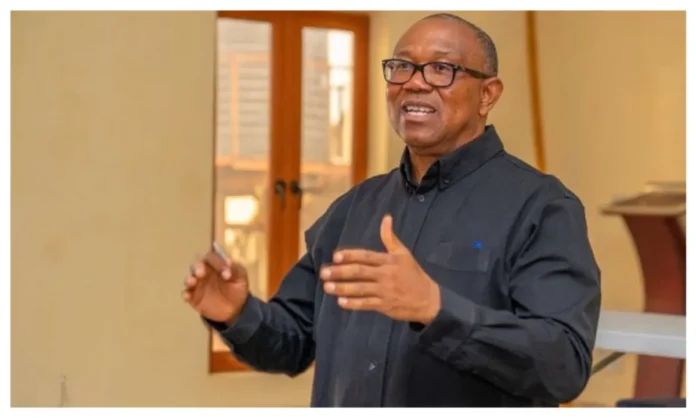
An alleged assassination attempt against Mr. Peter Obi, the 2023 Labour Party (LP) presidential candidate and prominent political figure, has stirred political tension in Nigeria’s Edo State, prompting swift action by the Department of State Services (DSS). This incident occurred amid heated political activity ahead of the 2027 general elections, drawing widespread condemnation, conflicting narratives, and national debate over security, political rivalry, and electoral safety. Here’s an in-depth look at the attack, how suspects were apprehended, and the broader implications for Nigerian politics and security.
What Happened in Benin City?
On February 24, 2026, violence erupted in Benin City, the capital of Edo State, during political engagements involving members of the African Democratic Congress (ADC) and Mr. Peter Obi. Cameras and eyewitness accounts circulated of gunfire, damaged vehicles, and an apparent ambush against key political figures - including Obi and Chief John Odigie-Oyegun, a former National Chairman of the All Progressives Congress (APC).
According to statements by supporters of Obi and ADC leaders, unknown gunmen attacked first at the ADC secretariat on Ogbelaka Street following a rally and then followed the convoy to Odigie-Oyegun’s residence, where sporadic gunfire reportedly struck parked vehicles and property. Bullets and physical evidence at the scene were cited as indications of premeditated and coordinated violence, not a spontaneous disturbance.
This episode was widely described by some political groups as a targeted assassination attempt rather than ordinary political thuggery. Advocates called for a federal investigation and greater protection for political actors, especially in politically sensitive states such as Edo.
DSS Arrests Suspects: What We Know
In the days following the attack, the Department of State Services (DSS) - Nigeria’s domestic intelligence agency - confirmed the arrest of at least one suspect linked to the incident. A 26-year-old man identified only as Udeme was detained over his alleged involvement in the threats and shooting incident during Obi’s visit to Benin City.
According to sources cited by Vanguard, the suspect was taken into custody shortly after posting threatening messages on social media. He allegedly boasted about targeting Obi and issued fresh threats aimed at the former presidential candidate’s subsequent movements, including a planned visit to Rivers State. (Vanguard News)
DSS operatives acted quickly to apprehend the suspect, emphasizing that their mandate is to investigate credible intelligence and protect all Nigerian citizens, regardless of tribe, religion, or political affiliation. “We swiftly deployed operatives, and the man who threatened Peter Obi was nabbed and is in custody.”
Conflicting Narratives and Public Debate
While the DSS has made arrests, not all parties agree on the nature of the incident.
The Coalition of Edo Civil Society Organizations released a statement challenging the assassination narrative. They dismissed claims that Obi was shot at, describing the widely shared version of events as “tales by moonlight” intended to whip up unnecessary tensions. According to their investigation, no gunshots were reported at the event venue; at worst, stones were thrown, and vehicles were damaged.
The group criticized media reporting and accused some political operatives of amplifying the event as an assassination attempt for sympathy or political leverage. They urged political actors to behave responsibly and not destabilize Edo State’s peace. (Independent Newspaper Nigeria)
Political Reactions and Condemnations
In stark contrast, opposition supporters and ADC affiliates firmly labelled the attack a serious security breach. The Obidient Movement, a grassroots group backing Peter Obi’s political brand, issued a detailed condemnation, calling the violence a coordinated two-pronged attack with the intent to kill key opposition figures. They described bullet-riddled vehicles and expended cartridges as evidence that the violence went beyond a minor disturbance and constituted an attempted assassination. (X (formerly Twitter))
Political commentators and civil society voices have also weighed in. Some analysts see the incident as a troubling indicator of rising political violence as Nigeria approaches its 2027 election cycle, underscoring concerns about security, democratic competition, and citizen safety during political campaigns.
Government and Security Responses
The DSS has reiterated its role in ensuring national security and investigating credible threats against political figures. Arrests related to assassination plots are significant, given the constitutional protections and high stakes involved in political campaigning.
At the same time, local civil society organizations and political coalitions have stressed the importance of transparent, independent investigations to avoid perceptions of bias, cover-ups, or political manipulation. Some fear that rushed narratives could inflame tensions unnecessarily if not grounded in verified evidence.
Why This Matters for Nigeria’s Democracy
The alleged assassination attempt and subsequent arrests come at a critical moment in Nigeria’s political timeline, with parties positioning themselves ahead of the 2027 general elections. Increased political engagement often raises tensions, but the use of violence or threats undermines democratic processes and public trust.
Political violence not only endangers lives but also threatens the country’s stability and credibility as a democratic state. Organized attacks on party leaders or high-profile figures risk deterring civic participation and fostering fear among voters and politicians alike.
Looking Ahead: Investigation and Accountability
Investigators have indicated that more suspects may be identified as the probe continues. DSS involvement signals the seriousness with which federal security agencies are treating the incident, but broader cooperation with local law enforcement and transparency in findings will be critical to ensure accountability.
Political parties, civil society groups, and ordinary Nigerians have called for:
- A full, transparent investigation into the motives and sponsors behind the attack
- Federal oversight to ensure impartiality
- Enhanced protection for political actors during campaign activities
- Public de-escalation efforts to prevent further violence
How the DSS, police, and federal authorities manage this case could set important precedents for political security in the coming election season.
Conclusion
The assassination attempt on Peter Obi - whether viewed as a direct attack or a politically charged incident - has spotlighted challenges in Nigeria’s political environment. The DSS’s prompt arrest of suspects reflects a commitment to follow credible intelligence, but conflicting community narratives and political reactions reveal deep tensions in public discourse.
Addressing these issues will require not only security interventions but also civic dialogue, political cooperation, and adherence to the rule of law to protect Nigeria’s democratic future.