As the Iran War Rages on, Here are Some Companies Making Billions
As the Iran war disrupts oil markets and global trade routes, major energy, defense, shipping, and financial companies are making billions in profits. Here’s who is benefiting and what it means for the world economy.
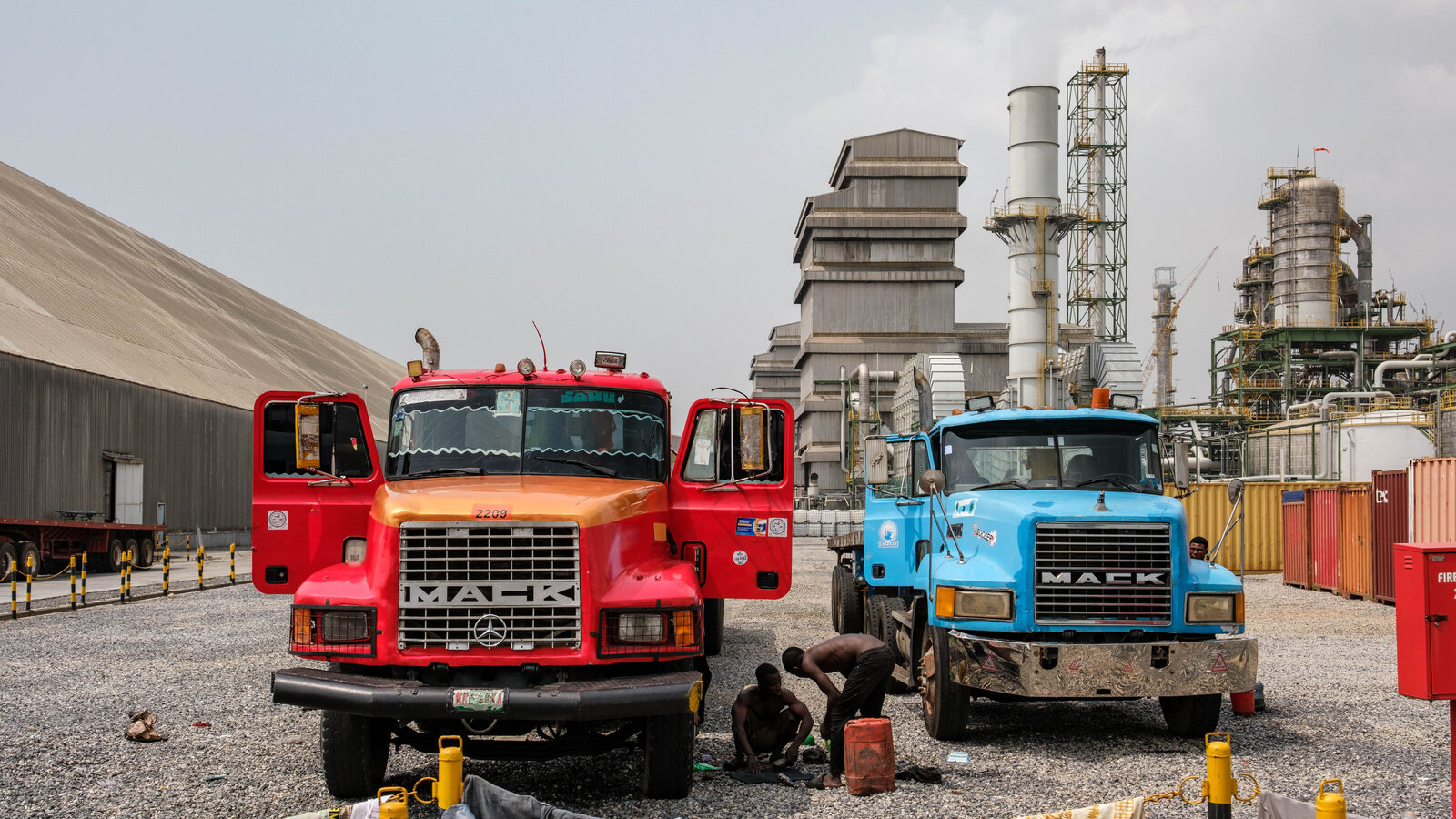
The ongoing conflict involving Iran has triggered one of the largest economic disruptions in recent years, reshaping global energy markets, shipping routes, defense spending, and commodity trading. While governments warn of geopolitical instability and ordinary consumers face rising fuel and food prices, several multinational corporations are recording massive profits from the crisis.
From oil giants and defense manufacturers to shipping firms and commodity traders, a growing list of companies are benefiting financially from the war-driven volatility sweeping across global markets.
According to multiple Reuters reports, soaring oil prices, increased military spending, supply chain disruptions, and heightened market speculation have generated billions of dollars in unexpected profits for major corporations.
Oil Companies Leading the Profit Boom
The biggest winners so far have been major energy companies.
The war has repeatedly threatened shipping through the Strait of Hormuz, one of the world’s most important oil transit routes through which nearly 20% of global oil and gas supplies normally pass. The uncertainty pushed crude oil prices sharply higher, at one point climbing above $120 per barrel. (Reuters)
This surge translated directly into higher profits for oil producers and traders.
European energy giants including Shell, BP, and TotalEnergies, reportedly earned at least $2.5 billion in additional trading-related profits during the first quarter of 2026 alone as war-driven volatility boosted refining margins and oil trading opportunities.
Shell became one of the most visible symbols of the wartime energy windfall after reporting quarterly profits of approximately $6.9 billion, more than double the previous quarter's earnings. Analysts linked much of the increase to higher oil prices and profitable trading conditions created by the conflict. (The Guardian)
Reuters also reported that analysts significantly upgraded earnings expectations for companies like Chevron as crude prices surged during the conflict.
Refineries have also benefited enormously. Reuters noted that refining profit margins more than doubled after the war began because fuel prices rose much faster than crude oil costs.
Defense Companies Seeing Massive Demand
Defense manufacturers are another major group profiting from the conflict.
Although many defense companies have not yet published complete wartime earnings figures, investors rapidly moved into military and weapons stocks after the conflict escalated. Reuters reported that defense shares initially surged as governments signaled increased spending on missile defense systems, drones, air defense technology, and military logistics.
Companies such as Lockheed Martin, RTX Corporation, Northrop Grumman, and BAE Systems are widely expected to benefit from expanded defense procurement programs across the United States, Europe, and Middle Eastern allies.
The war has accelerated demand for missile interceptors, surveillance systems, drones, and naval protection equipment as countries prepare for prolonged instability in the Gulf region.
Analysts say the conflict may permanently reshape defense budgets worldwide, similar to how the Russia-Ukraine war triggered years of increased military spending across NATO countries.
Shipping and Logistics Firms Cashing In
Global shipping companies have also experienced huge gains from the chaos.
The risks associated with transporting oil through the Strait of Hormuz caused tanker insurance rates and freight costs to skyrocket. Reuters reported that rates for very large crude carriers traveling from the Middle East to Asia jumped from below $150,000 per day before the war to more than $450,000 daily during the conflict.
This created significant opportunities for shipping operators willing to continue moving cargo through dangerous waters.
Some shipowners reportedly accepted enormous premiums to transport oil despite missile threats and naval risks in the Gulf region.
European logistics companies also benefited from the broader supply chain disruption. Reuters reported that freight and logistics firms recorded stronger-than-expected profits because rerouted cargo, emergency energy shipments, and supply shortages increased global shipping demand.
However, not all firms escaped unscathed.
Danish shipping giant Maersk warned that the war increased its fuel costs by nearly $500 million per month, even as freight market volatility boosted some parts of its business.
Commodity Traders and Banks Making Huge Gains
Financial institutions and commodity traders are also among the biggest beneficiaries.
Oil market volatility created enormous opportunities for speculative trading in crude oil, fuel futures, and related derivatives. Reuters revealed that market bets tied to Iran war developments reached approximately $7 billion across oil and fuel markets.
Australian investment bank Macquarie Group reported a nearly 50% jump in profits within its commodities division as the war sent oil prices above $100 per barrel and increased trading activity across global markets.
Major investment banks and hedge funds involved in energy trading have similarly benefited from the sharp market swings.
Meanwhile, agricultural giants also gained unexpectedly from the crisis. Reuters reported that higher oil prices boosted demand for biofuels, increasing soybean oil prices and improving earnings for large U.S. agricultural processing companies.
Iran’s Own Oil Networks Still Profiting
Even amid sanctions and military pressure, Iranian-linked oil networks continue generating revenue.
U.S. authorities say several front companies tied to Iran’s military establishment have continued moving oil through covert shipping arrangements into Asian markets. Companies such as Sepehr Energy Jahan and Hong Kong-linked firms like Milen Trading Co. Limited have been accused by U.S. officials of helping Iran bypass sanctions and generate funding for military operations. (Wikipedia)
The United States Treasury has repeatedly sanctioned companies accused of facilitating these transactions, but analysts say the black-market oil trade remains active.
What This Means for the Global Economy
The profits being generated from the Iran conflict reveal a familiar pattern in global crises: while consumers suffer from inflation and uncertainty, certain industries benefit enormously from instability.
Higher oil prices are already contributing to increased transportation costs, more expensive electricity, and rising food prices in many countries. Airlines, automakers, and manufacturers are warning about worsening operating conditions as fuel and raw material costs surge.
For governments, the conflict could trigger years of elevated defense spending and renewed concerns over energy security.
The war has also exposed how dependent the global economy remains on Middle Eastern energy routes despite years of diversification efforts.
Analysts warn that prolonged instability around the Strait of Hormuz could permanently reshape global trade flows, accelerate renewable energy investment, and increase geopolitical competition over alternative shipping corridors and energy sources.
At the same time, critics argue that wartime corporate windfalls raise ethical questions about profiteering during international crises.
Climate activists have already condemned oil companies for benefiting from conflict-driven price spikes while households struggle with inflation and energy bills. (The Guardian)
Ultimately, the Iran war is proving that modern conflicts are not only fought on battlefields, they are also fought across stock exchanges, oil terminals, shipping lanes, and financial markets worldwide.