Andrew Moves Out of Royal Lodge: Inside the Relocation and Its Implications for the British Monarchy
Former Prince Andrew, now Andrew Mountbatten-Windsor, has vacated Royal Lodge and moved to Sandringham Estate amid ongoing scandal and title removals. Here are some of the reasons, context, property details, royal responses, and the broader impact on the monarchy’s reputation.
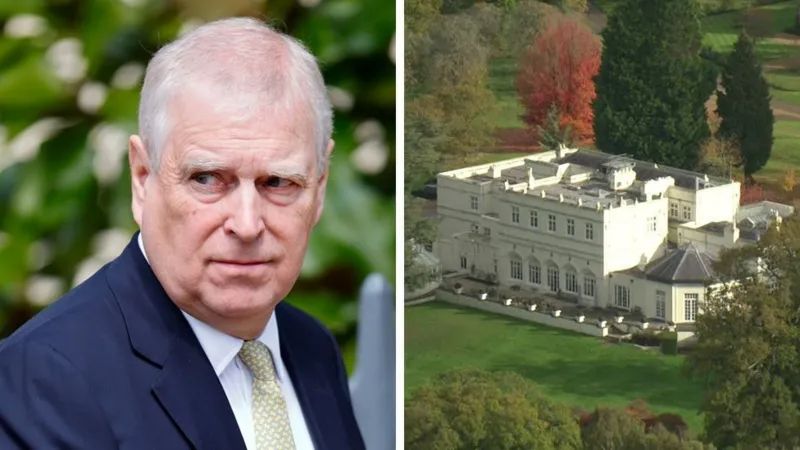
On 3 February 2026, Andrew Mountbatten-Windsor - formerly known as Prince Andrew, Duke of York - officially moved out of his longtime residence at Royal Lodge in Windsor Great Park and relocated to a property on the Sandringham Estate in Norfolk while his future home undergoes renovation, according to multiple reports.
This move comes amid intensified public scrutiny and legal pressures stemming from his longstanding association with the late paedophile financier Jeffrey Epstein and the removal of his royal titles by King Charles III in late 2025. (ITVX)
A Fall From Royal Grace: Why Andrew Left Royal Lodge
For more than two decades, Andrew had lived at Royal Lodge, a 30-room mansion in Windsor Great Park leased from the Crown Estate. The property has historical significance as the former residence of Queen Elizabeth The Queen Mother and later as Andrew’s country home. (Wikipedia)
In October 2025, Buckingham Palace announced that Andrew would be stripped of his princely title and other honours and that formal notice had been served to surrender the lease on Royal Lodge, due to mounting controversy around his connections to Epstein and pressure from both UK and international voices demanding accountability. (The Standard)
Under the lease terms, Andrew had paid a one-off payment and carried out major renovations when he first took on the property in 2003, but ongoing repair needs and dilapidation issues have complicated any potential compensation for ending the lease early.
The timing of Andrew’s move also appears to have been influenced by a desire to avoid him being present at Windsor during the royal family’s traditional Christmas gathering at Sandringham, a plan that was rescheduled ahead of his departure. (GB News)
Sandringham Estate: His Interim and Future Home
Following his departure from Royal Lodge, Andrew is currently staying in temporary accommodation on the Sandringham Estate, a private property owned by the King rather than part of the Crown Estate.
Sandringham, a sprawling estate in Norfolk purchased by the then Prince of Wales (later King Edward VII) in 1862, has been a cherished royal retreat for successive generations and is known for its vast grounds and architectural heritage. (The Independent)
While his temporary residence provides a quieter, more private setting away from Windsor, his permanent home on the estate is expected to be Marsh Farm - a modest farmhouse some miles from Sandringham House, undergoing renovation. (People.com)
This relocation to Marsh Farm - a property described in some reports as far more modest and smaller than Royal Lodge - symbolizes a significant downgrade in accommodation and status for Andrew. (InStyle)
The Epstein Shadow and Renewed Scrutiny
Andrew’s relocation unfolds against the backdrop of renewed controversy and legal pressure related to his friendship with Epstein. In recent days, authorities have been assessing allegations that Epstein sent a woman to stay with Andrew at Royal Lodge in 2010, a claim Thames Valley Police have confirmed they are reviewing. (Sky News)
Though such claims have not resulted in criminal charges and Andrew has consistently denied any wrongdoing in connection with Epstein, they have intensified public and media scrutiny of his actions and his continued proximity to royal privilege.
The move also coincides with newly released documents, part of a broader trove known as the Epstein files, which include personal images and correspondence involving Andrew and others - elements that have reignited debate over his past conduct.
Financial and Legal Considerations Around the Move
Andrew’s departure from Royal Lodge also carries financial and legal dimensions. Under the terms of the lease, had no major repair work been necessary, he could have been entitled to compensation of close to £488,000 for early surrender, but the Crown Estate has suggested that extensive dilapidations mean he is unlikely to receive any compensation.
The issue has drawn attention from the UK’s National Audit Office and the Public Accounts Committee, with MPs expressing interest in better understanding the terms of the lease and the implications of royal property arrangements.
Public Perception and Royal Image
Public reaction to Andrew’s relocation has been mixed. For many in the UK and beyond, the move represents a necessary step toward accountability and transparency within the monarchy, distancing a controversial figure from formal royal privileges. Critics argue that maintaining such accommodation - even in a private estate - continues to reflect an outdated system of privilege.
Others view the transition as a measured internal rearrangement - still reflective of royal support for a family member, albeit within tighter boundaries - rather than a complete severance from privilege. (Reddit)
Broader Implications for the Monarchy
This development comes at a time when the British monarchy faces ongoing debates over relevance, transparency, and public accountability. The handling of Andrew’s situation, from title removal to property relocation, sends a signal about how the institution seeks to manage internal controversies while preserving broader stability.
The symbolic nature of moving from a prominent Windsor estate to a more modest property on Sandringham highlights the monarchy’s need to balance tradition with modern expectations around conduct, legacy management, and public trust.
What’s Next for Andrew Mountbatten-Windsor?
While his permanent residence at Sandringham will not be ready for some time, Andrew is expected to return to Windsor briefly to collect belongings before settling fully in Norfolk.
His future role within public life remains uncertain. With reinvigorated scrutiny from legal authorities and media, and continued debate over his past associations, Andrew’s relocation marks a major personal and institutional turning point - and one that could influence ongoing discussions about the role of former royals in public life.