Aliko Dangote: How Africa’s Richest Man Is Transforming Nigeria, Reshaping African Industry, and Influencing Global Markets
Aliko Dangote becomes the first African-born billionaire worth $30B, transforming Nigeria’s economy, boosting African industry, and reshaping global markets.
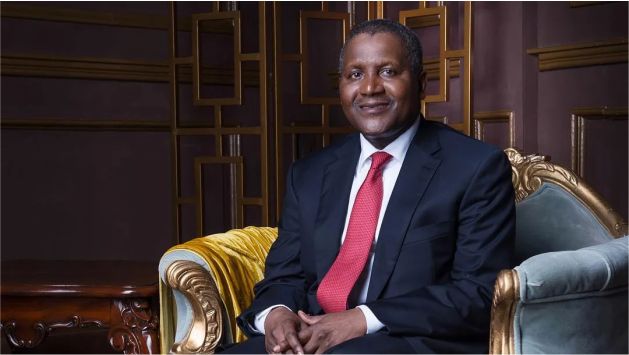
Africa achieved a historic milestone in October 2025 when Aliko Dangote, Africa’s richest man, officially crossed the $30 billion net-worth threshold. According to the Bloomberg Billionaires Index, Dangote’s fortune rose to $30.3 billion, making him the first African-born billionaire to reach such financial heights. [Bloomberg Billionaires Index] Business Insider Africa reports this growth was driven by increased valuation of his cement and oil ventures, with over $2.16 billion added year-to-date. [Business Insider Africa]
This achievement is more than a personal triumph. It symbolizes the ongoing industrial evolution of Africa and highlights the global relevance of one of its most influential business leaders.
The Dangote Business Philosophy: Industrialization over Importation
Unlike many wealthy African elites who rely heavily on trade or extractive-income models, Dangote built his empire on manufacturing and production. His strategy focused on replacing imported goods with locally produced alternatives. This approach strengthened national supply chains while reducing foreign exchange pressure on Nigeria’s economy.
His portfolio, ranging from cement, sugar, and salt to flour and fertilizer, anchors some of Africa’s most vital industries.
Cement: The Backbone of African Construction
Dangote Cement remains the most profitable engine of the conglomerate. Recently, the company commissioned a $160 million cement plant in Attingué, Côte d’Ivoire, situated roughly 30 kilometers outside Abidjan. Built on 50 hectares of land, the plant boasts an annual production capacity of three million metric tonnes - one of Dangote’s largest facilities outside Nigeria.
With this new addition, Dangote Cement now operates 11 plants across Africa and boasts 55 million tonnes of installed yearly capacity. This scale delivers multiple benefits to African economies:
From more affordable cement for infrastructure projects like highways and bridges to residential housing, increased regional job opportunities and strengthened intra-African trade under the AfCFTA framework, Dangote Cement is literally shaping the continent’s foundation.
The Dangote Refinery: Fueling a Continental Shift
Perhaps Dangote’s most ambitious - and globally significant - venture is the $20 billion Dangote Refinery in Lagos. Designed to refine 650,000 barrels of crude oil per day, it ranks among the world’s largest single-train refineries.
For decades, Nigeria exported crude oil only to import refined petroleum at premium prices. This paradox drained national revenue and weakened the currency. The refinery aims to save billions annually in fuel import costs, strengthen the naira by retaining foreign exchange, provide stable domestic fuel supply and position Nigeria as a petroleum hub for West Africa
In global terms, the refinery could shift diesel supply dynamics, influence European import patterns, and reduce dependence on foreign refineries. Analysts predict a long-term stabilizing effect on regional fuel prices.
Agricultural Transformation Through Fertilizer
Agriculture employs millions across Africa, yet low productivity remains a challenge. Dangote’s entry into fertilizer production was timed strategically, emerging during global supply chain disruptions. His urea-based fertilizer plants increase crop yields, reduce reliance on expensive imports and strengthen food security across the continent
As demand grows in South America and Asia, Nigeria is gradually positioning itself as a relevant global fertilizer exporter.
Economic Impact on Nigeria
The Nigerian economy has felt Dangote’s presence across multiple metrics:
1. Job Creation: Tens of thousands are employed directly through Dangote Group companies. Distribution and supply networks employ countless more.
2. Reduced Import Dependency: Local production stabilizes prices and reduces the country’s vulnerability to currency fluctuations.
3. Construction Acceleration: Affordable, available cement accelerates housing, roads, ports, and public infrastructure projects.
4. Industrial Diversification: With contributions beyond oil, Dangote helps reduce Nigeria’s risky historical reliance on petroleum exports.
Combined, these contributions strengthen GDP output and stimulate national competitiveness.
Continental Influence: A New Industrial Identity for Africa
Beyond national borders, Dangote embodies what many economic planners want for Africa: self-sufficiency. His continental influence includes cross-border trade expansion, skilled industrial workforce development and private sector confidence building.
For investors watching Africa closely, Dangote’s operations serve as proof that billion-dollar industrial megaprojects can succeed on the continent.
Global Economic Relevance
Dangote’s businesses increasingly intersect with global markets as his fertilizer exports are entering tight global supply chains influenced by geopolitical conflict, his refinery may supply markets traditionally fed by European refineries and his cement production contributes indirectly to international construction markets through multinational contractors.
In addition, his success story reshapes global perception of African entrepreneurship. Rather than charity and aid, the continent is being recognized for scalable enterprise and industrial capacity.
Symbolism of Breaking the $30 Billion Barrier
Becoming the richest Black man in the world at over $30 billion is as symbolic as it is financial. It communicates to young African entrepreneurs that industry is profitable, manufacturing matters, and Africa can produce wealth that competes globally
For global observers, it signals that African industrial capitalists are entering boardrooms traditionally dominated by Western or Asian figures.
Ongoing Challenges
Dangote’s dominance isn’t without criticism: Some argue market monopolies hinder smaller competitors, others suggest his political relationships give him advantages. However, proponents argue that on a continent with limited infrastructure, protective industrial policies may be necessary to achieve rapid growth.
A Legacy Built to Last
Whether measured by tonnage of cement, barrels of oil, or sacks of fertilizer, Dangote’s impact is clear. He is building systems - employment engines, production centres, and industrial pipelines that will outlive any single financial ranking. His empire no doubt, strengthens Nigerian economic sovereignty, African industrial maturity, and global commodity diversification.
In many ways, Dangote is not simply a billionaire. He is an architect of Africa's economic future.