Alcohol and Male Fertility: How Drinking Affects Sperm Count, Testosterone, and Reproductive Health
Does alcohol affect male fertility? Discover how alcohol influences sperm count, testosterone levels, and reproductive health, and what men trying to conceive should know.
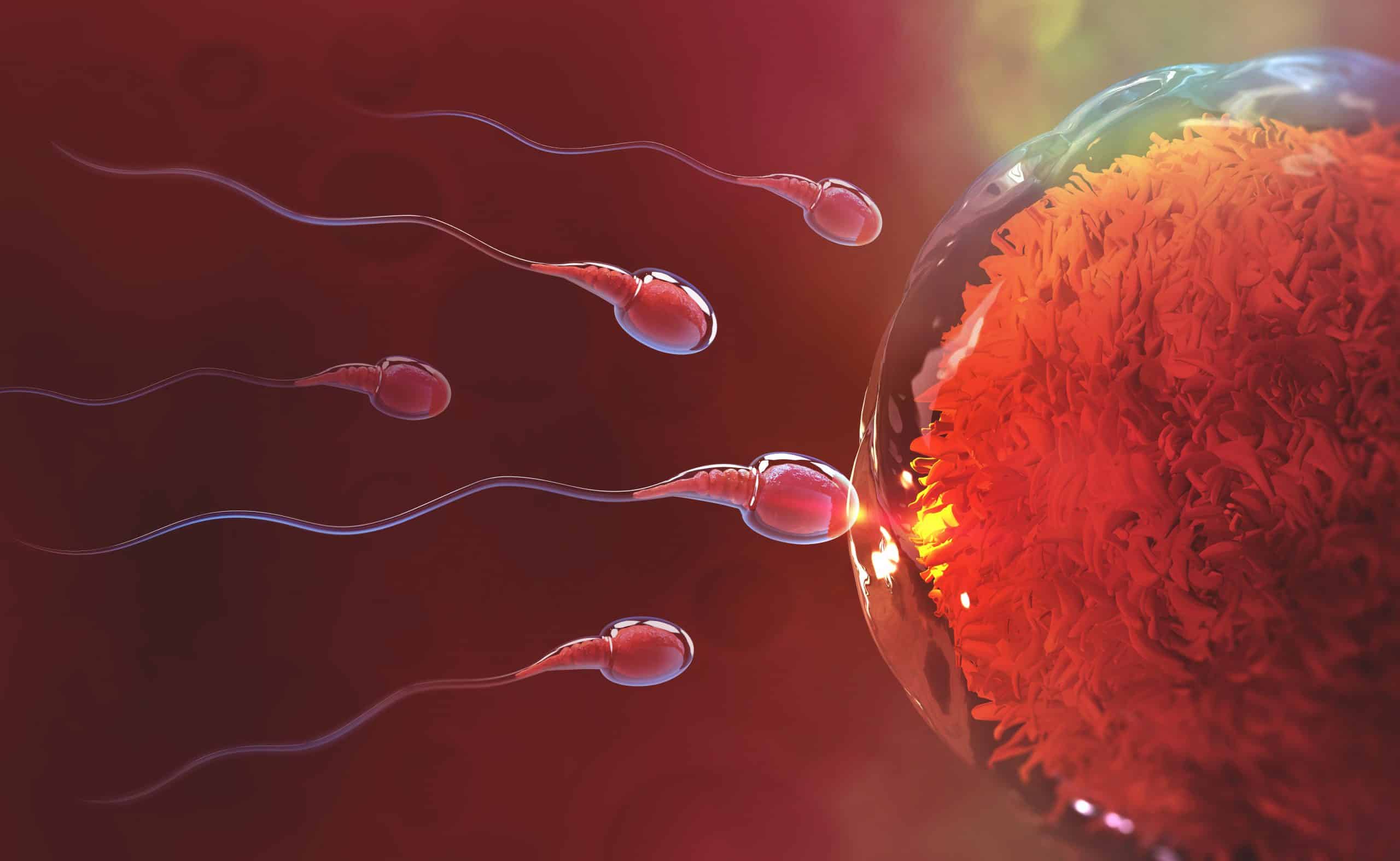
Alcohol consumption is widely embedded in social and cultural life around the world. However, growing scientific evidence suggests that excessive drinking can have significant effects on male reproductive health. For men who are planning to start a family, understanding how alcohol affects fertility - including sperm production, hormone balance, and sexual performance - is essential.
While moderate alcohol consumption may not always lead to severe reproductive problems, research consistently shows that heavy or chronic alcohol use can negatively affect sperm quality and male fertility. This has led many health experts to recommend limiting or avoiding alcohol when trying to conceive.
Understanding Male Fertility
Male fertility primarily depends on the production of healthy sperm capable of fertilizing an egg. Several factors determine fertility in men, including sperm count (number of sperm per milliliter of semen), sperm motility (ability of sperm to move effectively), sperm morphology (shape and structure), hormone levels, particularly testosterone, and overall reproductive system health.
Lifestyle choices-such as diet, smoking, stress, and alcohol use-can influence all these factors.
How Alcohol Affects Sperm Production
One of the most documented effects of alcohol consumption is its impact on sperm production and semen quality.
Research indicates that heavy alcohol consumption is associated with poorer semen quality, including reduced sperm concentration and abnormal sperm morphology. This happens partly because alcohol metabolism generates oxidative stress in the body, which damages sperm cells and affects their ability to function properly. Studies also show that alcohol can decrease semen volume and disrupt antioxidant levels in reproductive fluids, weakening sperm health and overall reproductive capacity. (PMC)
Furthermore, heavy drinking may reduce sperm count and motility, making it more difficult for sperm to reach and fertilize an egg. (Prof.Dr. Emin ÖZBEK)
These changes can significantly reduce the chances of successful conception, especially when alcohol consumption is frequent or excessive.
Hormonal Disruption and Testosterone Levels
Alcohol affects male fertility not only through sperm damage but also by disrupting the hormonal system that regulates reproduction.
The male reproductive system is controlled by the hypothalamic-pituitary-gonadal (HPG) axis, a complex hormonal network involving the brain and the testes. Alcohol can interfere with this system in several ways.
Studies show that heavy alcohol consumption can lower testosterone levels, the key hormone responsible for sperm production and male sexual function.
Alcohol may also disrupt the release of luteinizing hormone (LH) and follicle-stimulating hormone (FSH), which are essential for stimulating sperm production in the testes. (v-ivf.com)
When these hormones are imbalanced, sperm production may decline, and fertility can be compromised. In extreme cases, chronic alcohol abuse can even damage the testicles themselves, leading to reduced sperm production and long-term reproductive issues.
The Role of Drinking Patterns
The impact of alcohol on fertility often depends on how much and how often a person drinks.
Several studies suggest that heavy or chronic drinking poses the greatest risk to male fertility. For example, men who consume large quantities of alcohol regularly tend to have lower sperm concentrations and more abnormal sperm cells. (The Male Fertility Clinic)
Research also indicates that consuming more than five units of alcohol per week may already begin to affect semen quality in some men. (BMJ Open)
However, the relationship between alcohol and fertility is complex. Some research suggests that moderate alcohol consumption may not significantly affect sperm quality in healthy men.
A meta-analysis of multiple studies found that occasional drinking may have little measurable impact, while daily or heavy alcohol intake is much more likely to impair semen parameters. (Healthy Male)
This suggests that the risk of fertility increases with both frequency and quantity of alcohol consumption.
Alcohol and Sexual Performance
Alcohol can also affect fertility indirectly by influencing sexual performance. Excessive drinking may lead to erectile dysfunction, reduced libido, difficulty maintaining an erection, and reduced ejaculation volume.
Because testosterone plays a central role in sexual function, alcohol-induced hormone disruption can affect both fertility and sexual health.
Additionally, alcohol can contribute to weight gain and metabolic problems, which are associated with reduced fertility.
Impact on Future Children
Recent research also suggests that paternal alcohol consumption may affect not only fertility but also the health of future children.
Some studies indicate that alcohol exposure can damage sperm DNA and potentially influence fetal development. Researchers have found that the effects of alcohol on sperm may persist even after a man stops drinking. In some cases, it may take more than a month for sperm to recover fully after alcohol exposure. (Texas A&M Stories)
Because sperm development takes approximately 70–90 days, many fertility experts recommend avoiding alcohol for several months before attempting conception.
Can Fertility Recover After Quitting Alcohol?
The good news is that in many cases, fertility can improve after reducing or stopping alcohol consumption.
Since sperm are constantly produced, healthier lifestyle choices can gradually restore sperm quality over time. Reducing alcohol intake, maintaining a balanced diet, exercising regularly, and avoiding smoking can all improve reproductive health.
Doctors often advise men who are planning to conceive to limit alcohol consumption or avoid it entirely for at least three months, allowing a full cycle of sperm development to occur.
Practical Advice for Men Trying to Conceive
For men concerned about fertility, experts recommend several practical steps:
- Limit alcohol consumption or avoid it when trying to conceive.
- Maintain a healthy weight, as obesity can worsen fertility problems.
- Avoid smoking and recreational drugs, which also damage sperm.
- Eat a balanced diet rich in antioxidants, including fruits and vegetables.
- Exercise regularly but avoid excessive physical stress.
- Consult a doctor if fertility problems persist.
These measures can significantly improve reproductive health and increase the chances of successful conception.
Conclusion
Alcohol can influence male fertility in several ways, including reducing sperm quality, disrupting hormone levels, and affecting sexual performance. While moderate drinking may not severely impact fertility in some men, heavy or frequent alcohol consumption is consistently linked to reduced sperm count, hormonal imbalance, and lower reproductive potential.
For men planning to start a family, reducing alcohol intake - or avoiding it altogether - can be a simple but effective step toward improving fertility and ensuring better reproductive health.