Alberta Heads to Polls to Decide Whether to Hold Referendum on Separation from Canada
Alberta voters head to the polls on October 19, 2026, to decide whether the province should begin the legal process for a future binding referendum on separation from Canada, amid growing tensions over energy policy, federal power and economic interests.
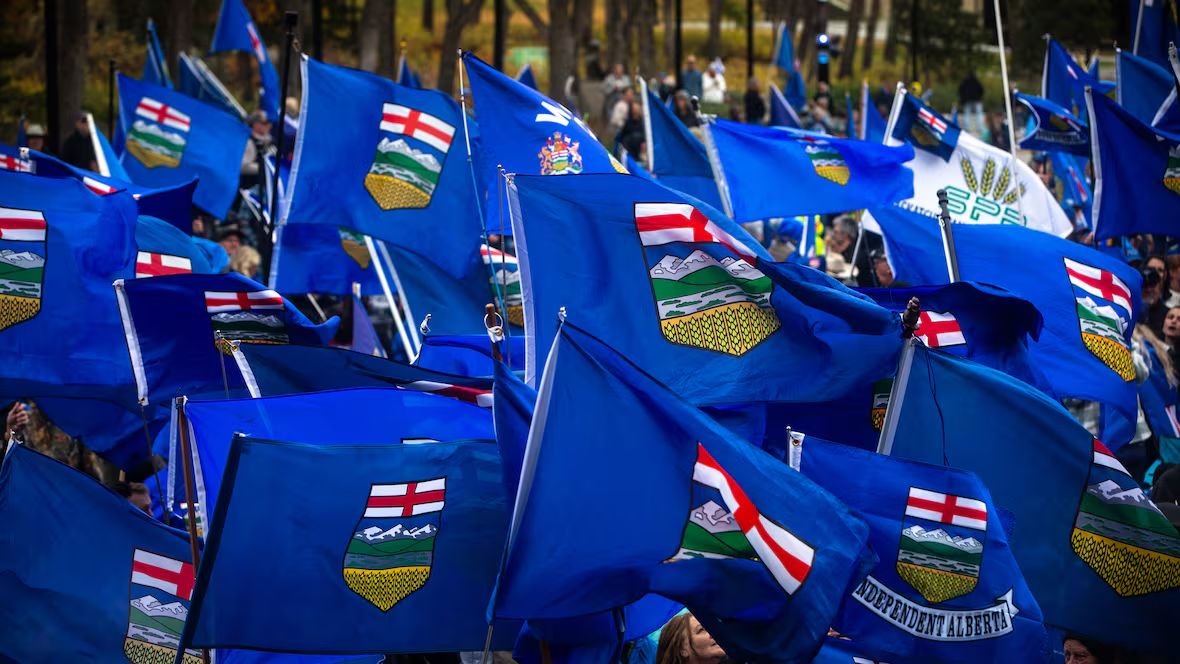
Voters in Alberta, Canada's oil-rich western province, are heading to the polls on Monday, October 19, to decide whether the provincial government should begin the legal process required to hold a binding referendum on separating from Canada.
The vote represents a significant moment in Canada's national unity debate, as separatist sentiment gains renewed attention amid longstanding disagreements over federal energy policies, resource revenues and the relationship between Alberta and Ottawa.
However, voters are not being asked to make Alberta an independent country immediately. Instead, the referendum question asks whether the province should remain part of Canada or proceed towards a future binding vote on independence.
The distinction is important because the outcome of Monday's ballot will not, by itself, determine Alberta's constitutional future.
According to the referendum is non-binding and presents voters with two options: keeping Alberta as a province of Canada or commencing the constitutional process necessary for a future binding referendum on separation. (Elections Alberta)
The development presents a challenge for Prime Minister Mark Carney, who has defended Canadian unity while attempting to address regional grievances and economic disagreements.
Why Alberta's separation debate has intensified
Alberta's separatist movement is rooted in decades of disagreement over the distribution of economic benefits, federal authority and the regulation of the province's energy industry.
The province possesses substantial petroleum resources and is a major contributor to Canada's oil and gas sector. Many separatists argue that federal environmental regulations, taxation policies and restrictions affecting energy development have prevented Alberta from reaching its full economic potential.
Some also believe the province contributes more to the national economy than it receives in federal spending and benefits.
The debate gained renewed momentum following political disagreements with successive federal Liberal governments and the election of Carney's administration in 2025.
Opposition to federal policies intensified among sections of Alberta's conservative electorate, creating opportunities for independence advocates to present separation as a possible alternative to the existing political arrangement.
However, support for greater provincial autonomy does not necessarily translate into support for independence. Some Albertans want Ottawa to reconsider its policies rather than dissolve the province's relationship with the rest of Canada.
Polls suggest most Albertans favour remaining in Canada
Despite the attention surrounding the independence debate, opinion polling ahead of election day suggests that a majority of Albertans prefer to remain within Canada.
An Ipsos survey conducted for Global News between October 13 and 16 found that 70 per cent of respondents intended to vote for Alberta to remain a Canadian province, while 23 per cent supported initiating the process for a future separation referendum.
Five per cent were undecided, while two per cent said they did not intend to vote.
The survey involved 801 Albertans, with the pollster reporting a credibility interval of approximately four percentage points for the overall sample.
The findings suggest that support for beginning the separation process remains a minority position, although the issue has attracted considerable political attention.
For the provincial government, the vote is also an indication of the depth of dissatisfaction with Ottawa. Premier Danielle Smith has supported giving voters an opportunity to express their views, while making clear that she personally favours Alberta remaining in Canada.
Smith's position reflects the complicated political circumstances surrounding the referendum. Although she has opposed independence, pressure from separatist campaigners has made the issue difficult for her government to ignore.
Carney campaigns to preserve Canadian unity
Carney has urged Albertans to reject separation, warning that leaving Canada would create economic uncertainty and complicate the province's relationships with other parts of the country.
The prime minister, who was born in Alberta, has emphasised the province's importance to Canada's economy and the benefits of cooperation between provincial and federal governments.
His intervention comes at a sensitive time for Canada, which is dealing with trade tensions involving the United States and President Donald Trump's repeated comments about Canada becoming the 51st American state.
A separation movement within Alberta could complicate Ottawa's efforts to present a united national position in international negotiations.
Carney's government has also sought to address disagreements over energy development and infrastructure, recognising that economic cooperation is central to Alberta's relationship with the rest of the federation.
Nevertheless, separatist advocates argue that assurances from Ottawa have not adequately addressed their concerns about federal power, resource development and provincial autonomy.
Indigenous communities and economic concerns
The independence debate has also raised important questions about Indigenous rights, constitutional arrangements and the economic consequences of separation.
First Nations leaders have challenged the idea that Alberta could leave Canada without properly addressing Indigenous treaty rights and obligations involving the Crown.
These concerns complicate the constitutional question because treaties and Indigenous rights cannot simply be disregarded in a potential separation process.
Businesses have also expressed concerns about the uncertainty that independence could create for investment, trade, taxation, currency arrangements and access to markets.
Alberta's economy is closely connected to the rest of Canada through transport infrastructure, labour mobility, financial systems and interprovincial trade.
An independent Alberta would need to negotiate numerous arrangements governing its future relationship with Canada, including questions involving borders, public debt, pensions, citizenship and the movement of goods and people.
The potential complexity means that even a future vote supporting independence would not automatically settle the terms or timing of separation.
What happens after the vote?
Monday's referendum is an initial political decision rather than a final declaration of independence.
If voters support beginning the legal process, the provincial government would face further constitutional and political questions before a binding separation referendum could take place.
Any eventual attempt to leave Canada would involve substantial legal negotiations and constitutional considerations, including the implications of Canada's Supreme Court framework on secession.
If voters reject the proposal, Alberta would remain part of Canada, although the political grievances driving the separatist movement could continue to influence provincial politics.
The vote is therefore significant regardless of its outcome because it measures public willingness to consider a fundamental change in Alberta's relationship with the federation.
Conclusion
As Albertans head to the polls, the separation debate highlights longstanding tensions between provincial autonomy, resource management and Canadian national unity.
Although polling indicates that most voters favour remaining in Canada, the referendum demonstrates that dissatisfaction with federal policies has become a substantial political issue in the province.
For Carney's government, the challenge is to preserve national unity while addressing Alberta's concerns about economic opportunity and federal decision-making.
For separatist advocates, the vote offers an opportunity to advance their campaign and demand a different relationship with Ottawa.
The immediate decision will not make Alberta independent. Instead, it will determine whether the province should take another legal step towards a future binding referendum - one that could have far-reaching consequences for Alberta and Canada if the independence debate continues to gain momentum.